
 531 m
2
531 m
2
 229 m
2
229 m
2
 6
6
 2
2
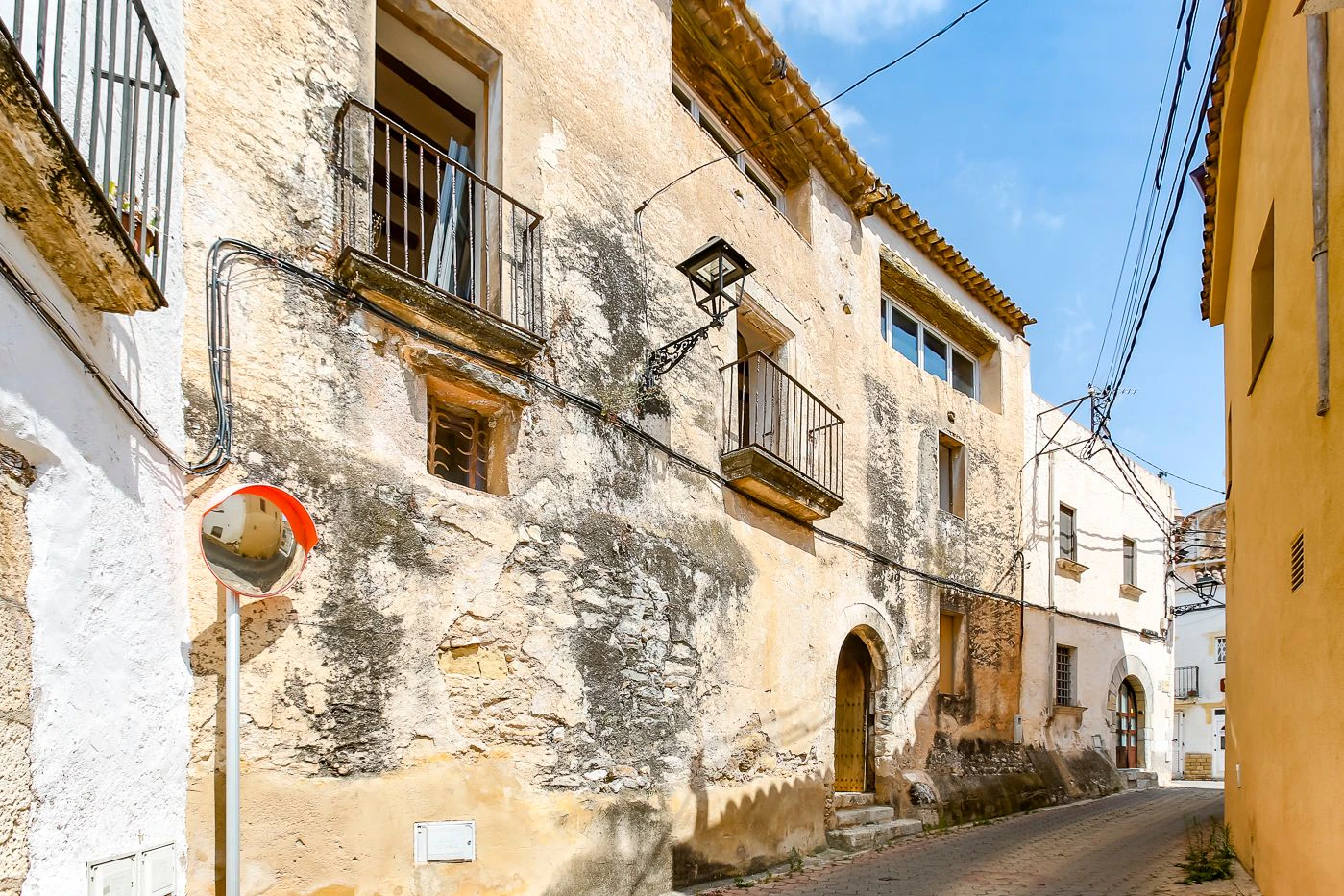
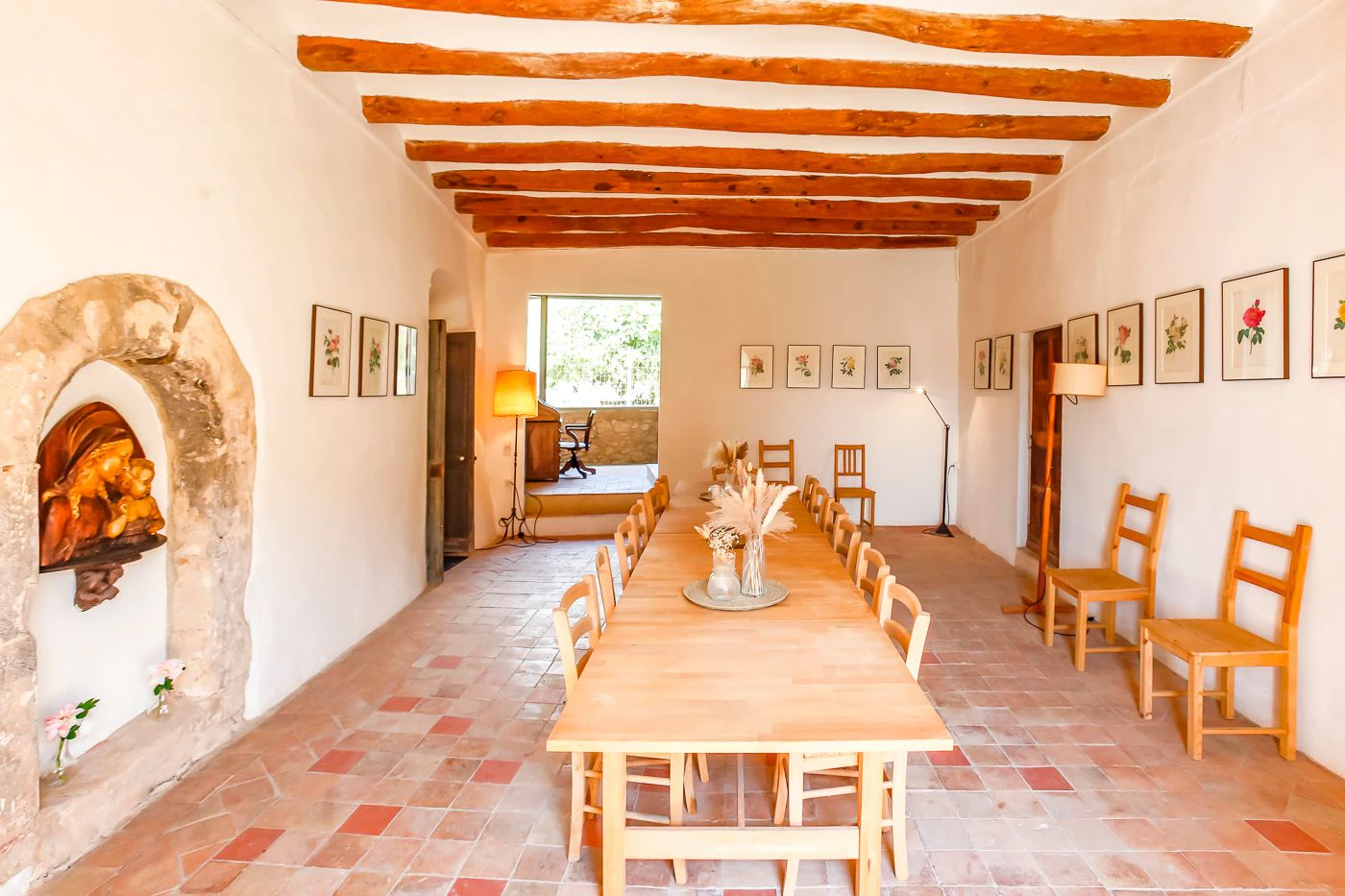
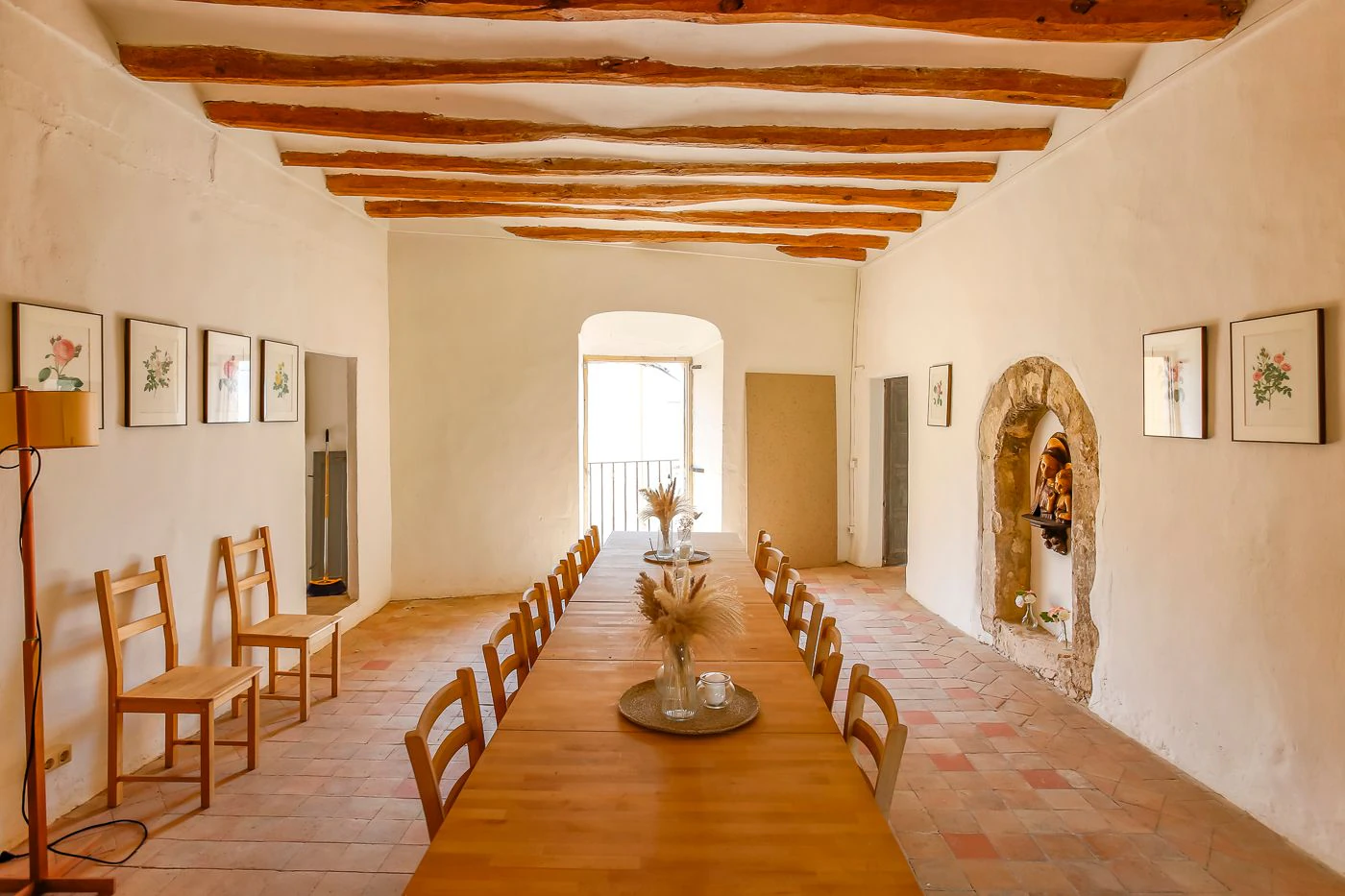
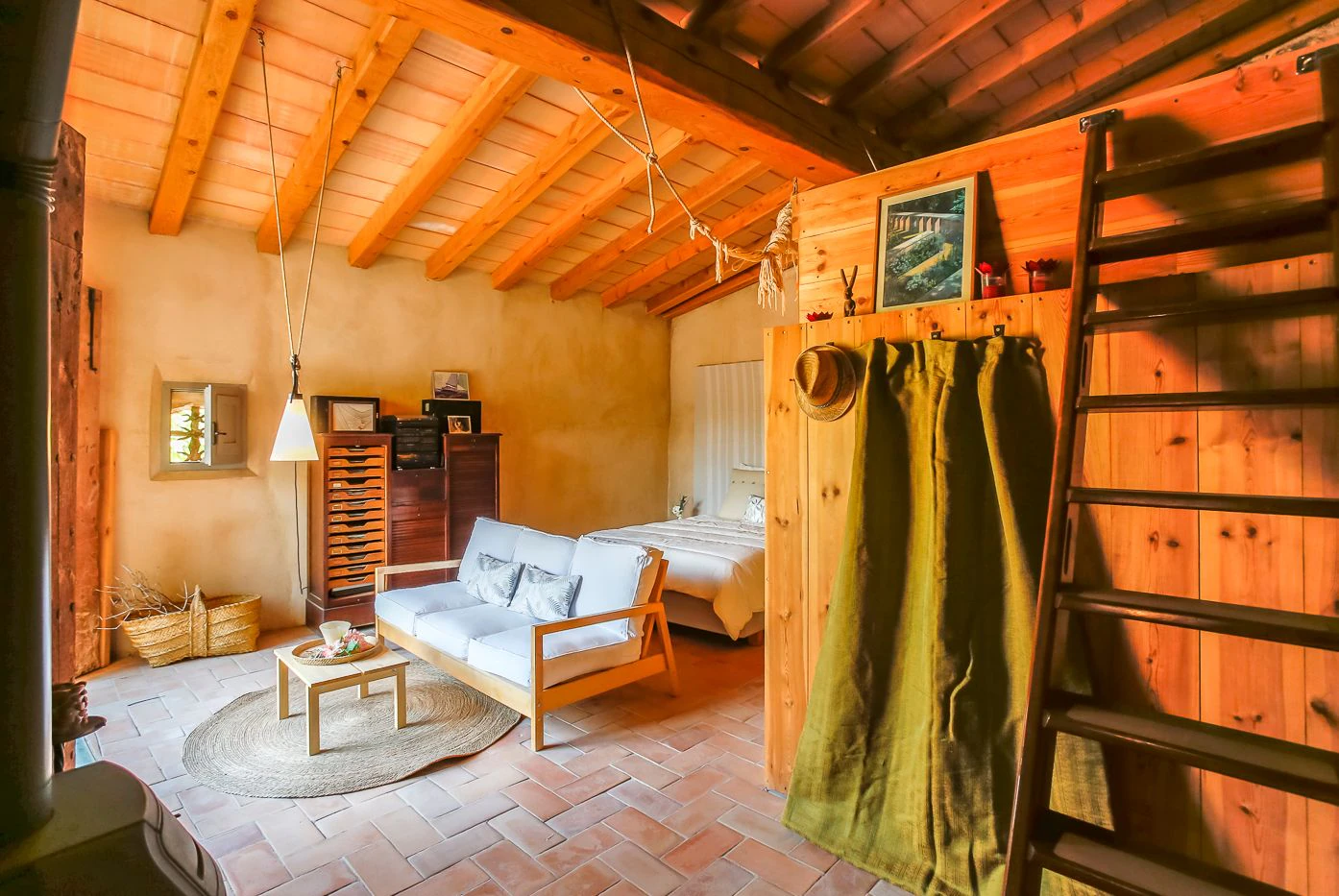
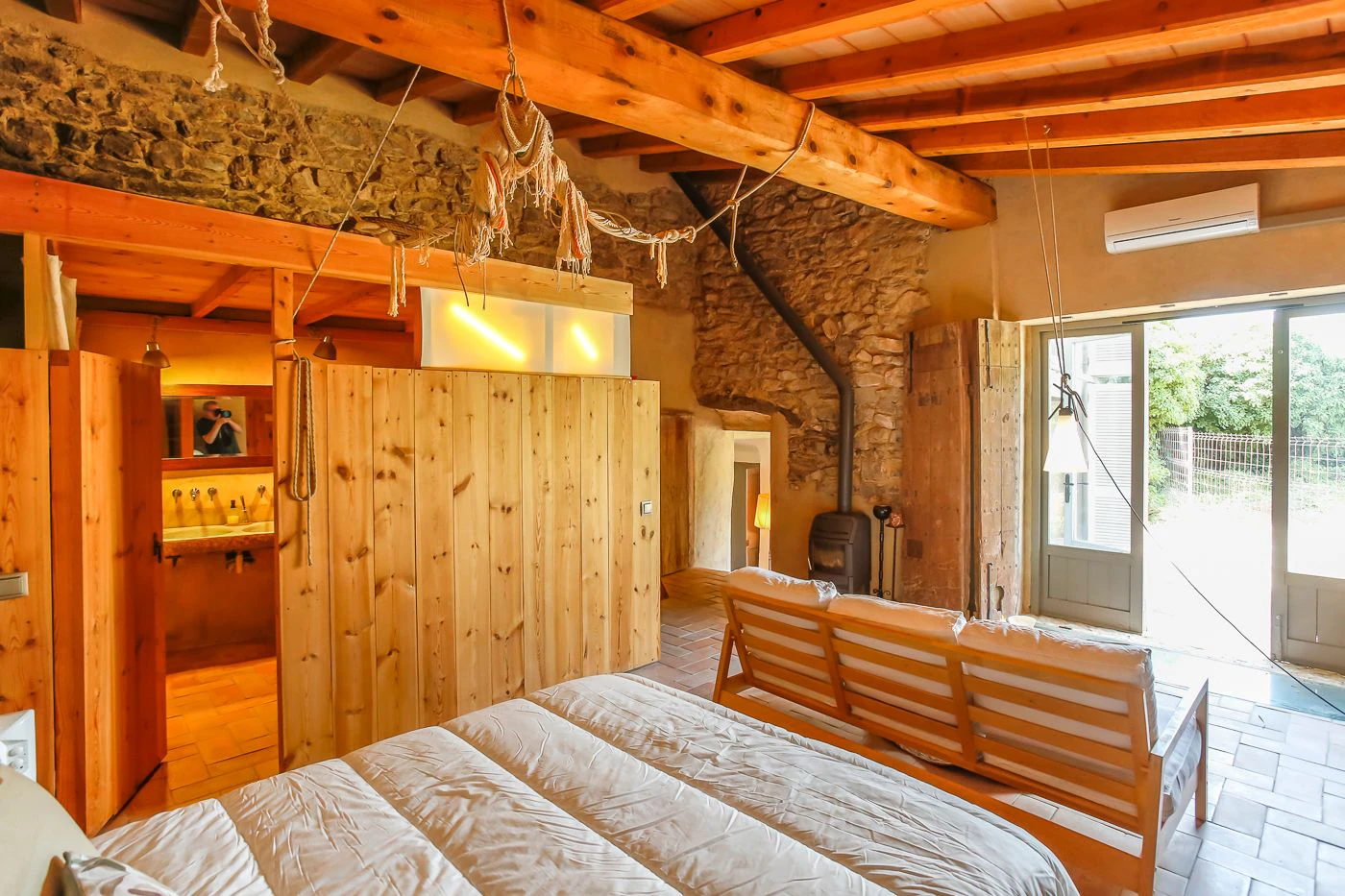
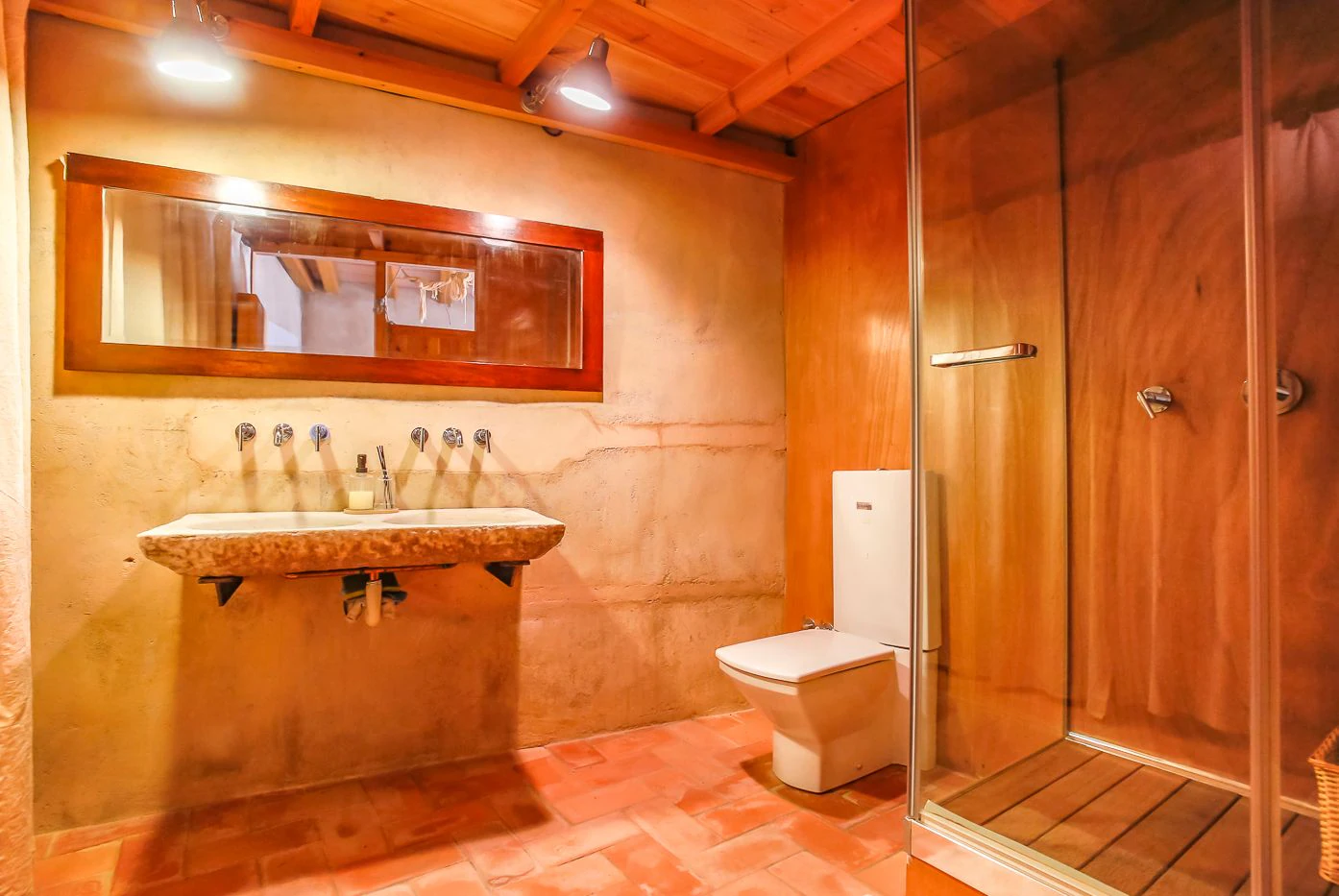
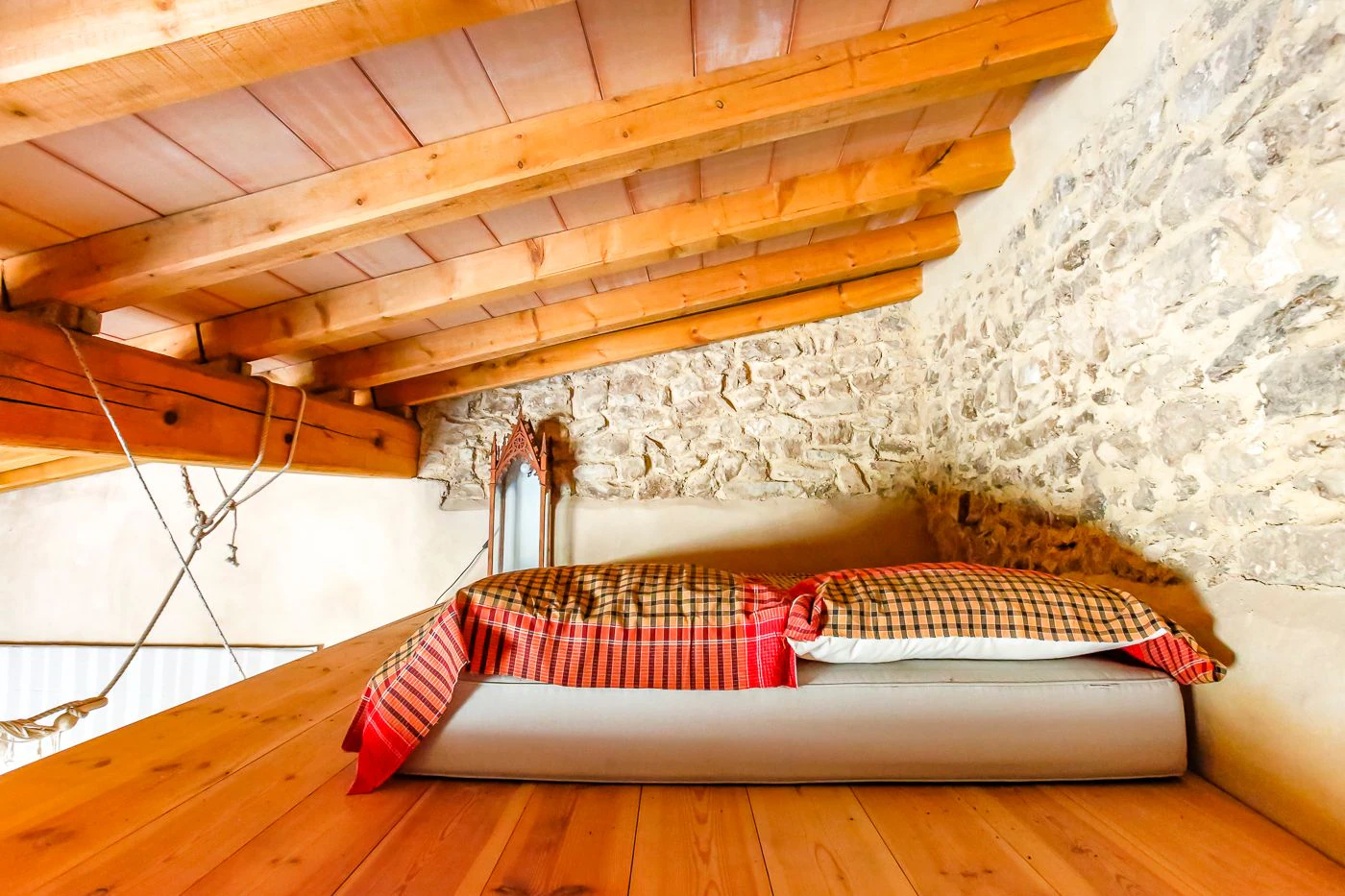
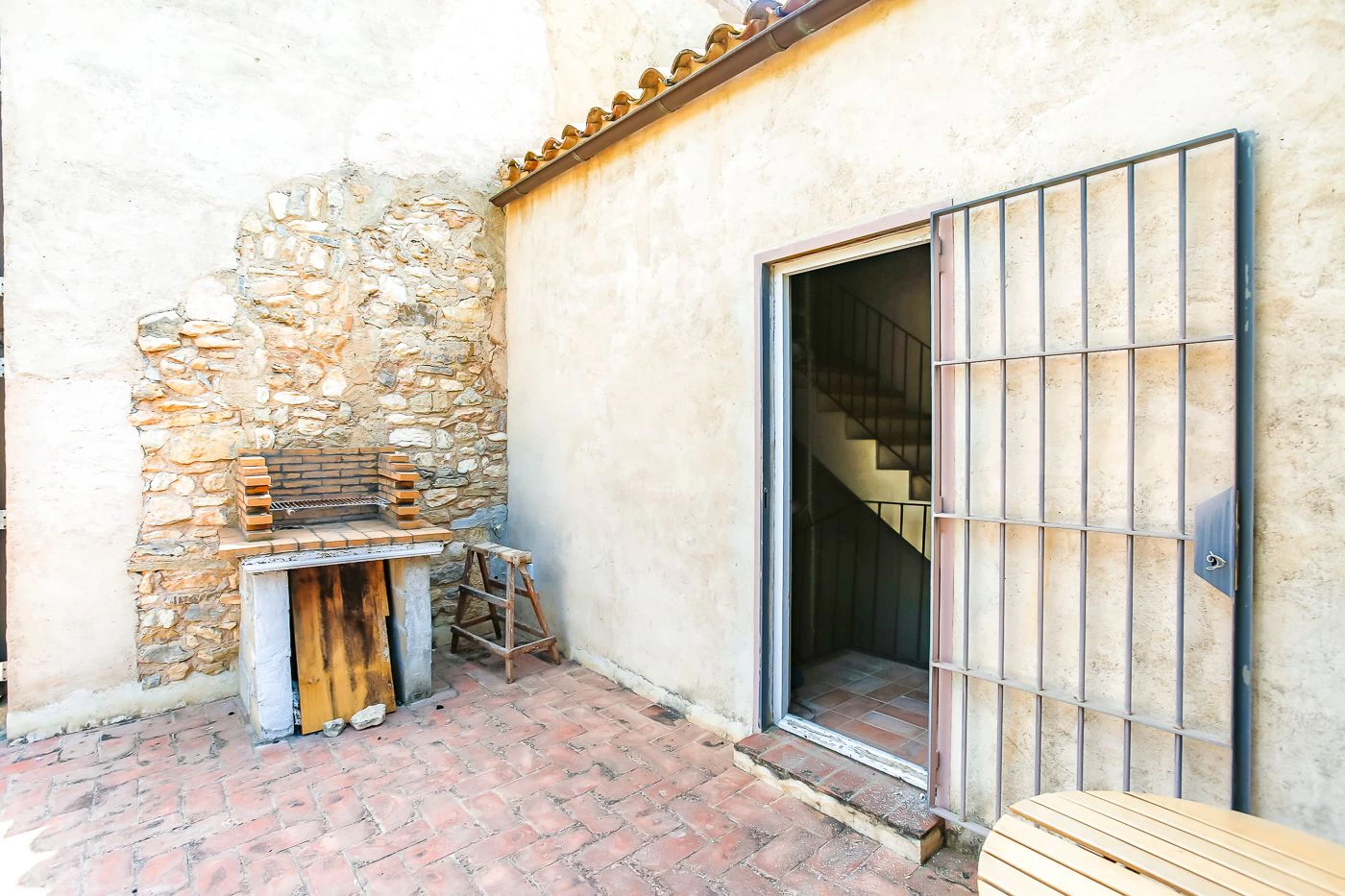
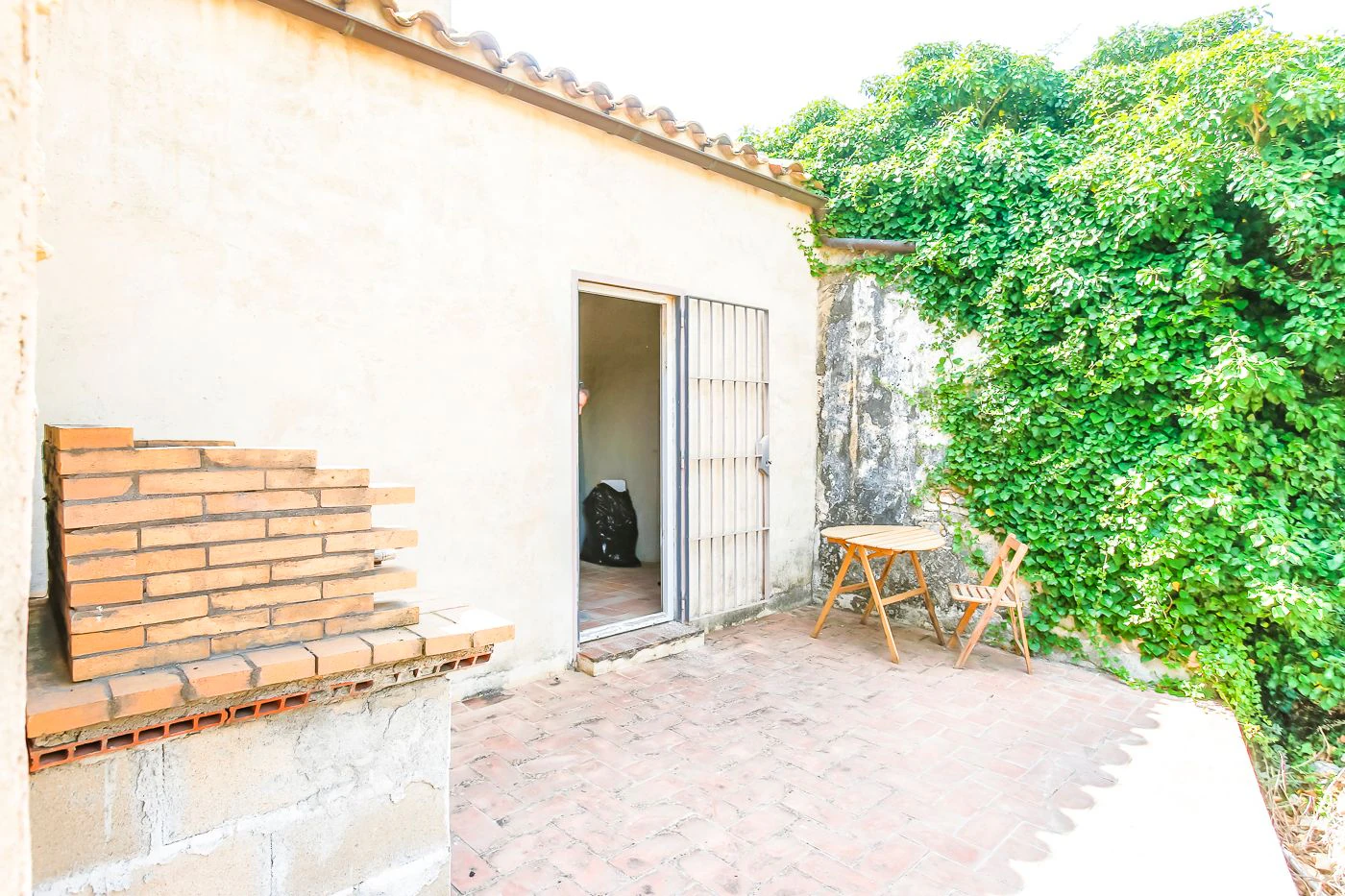
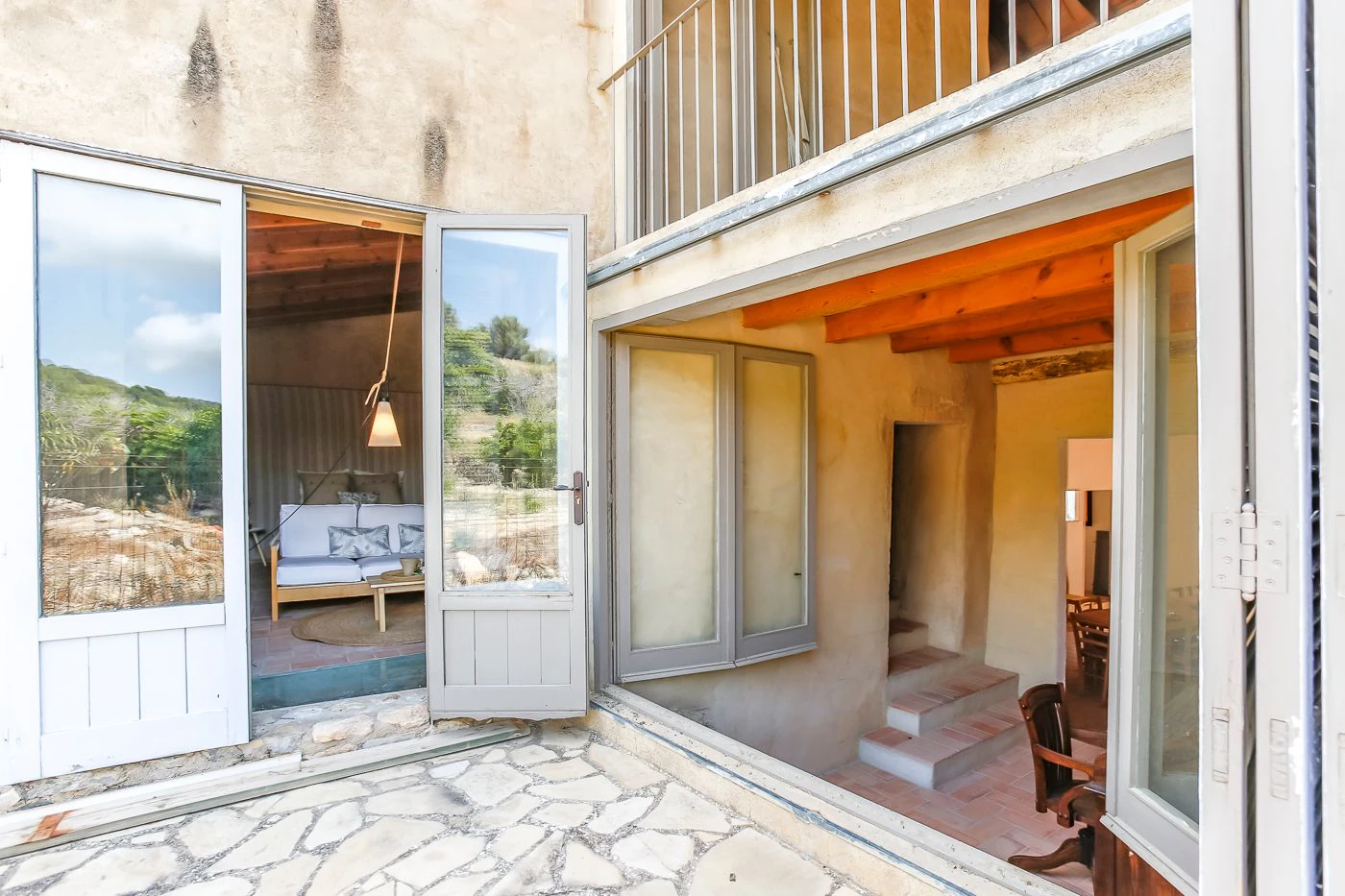
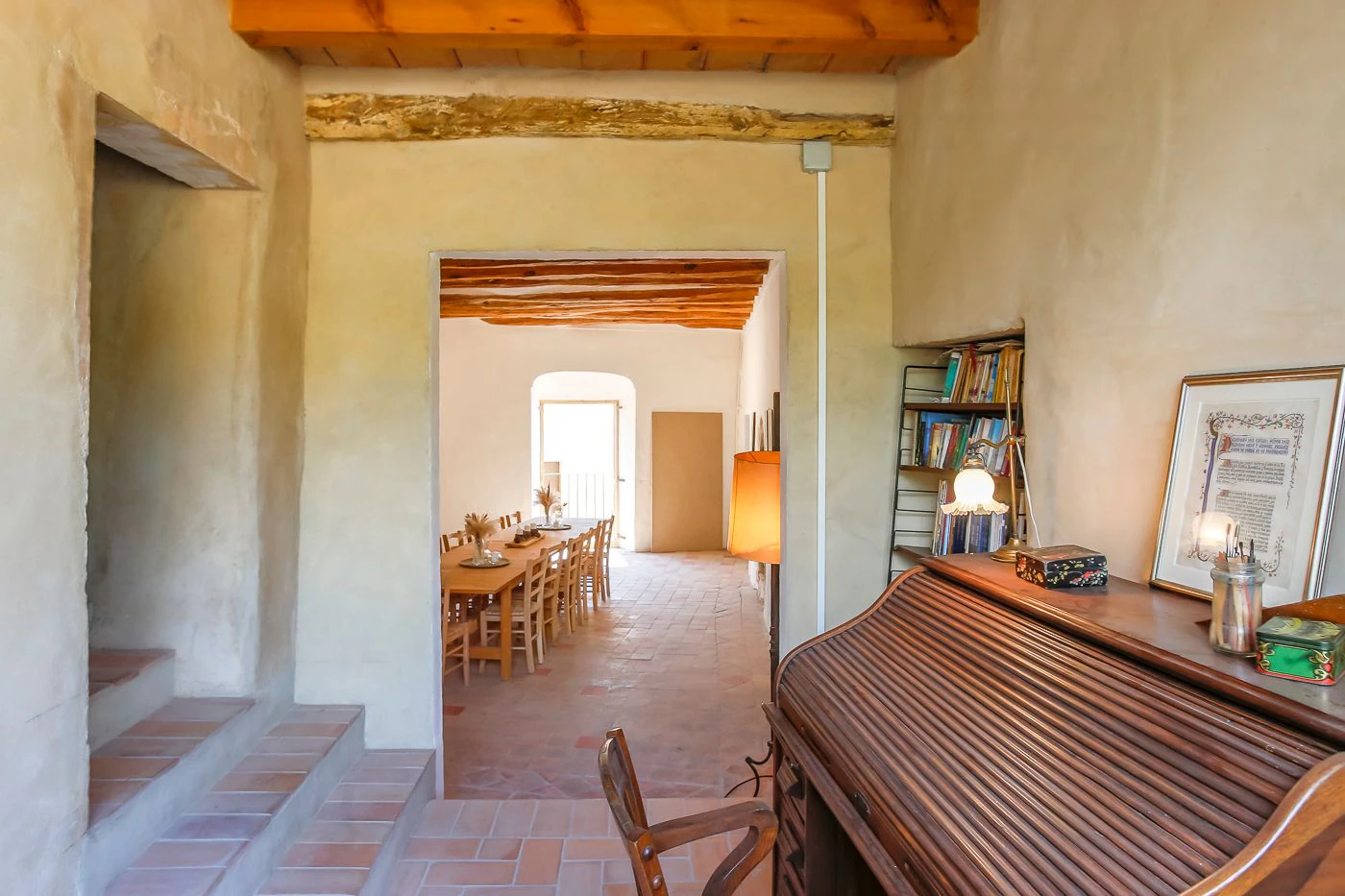
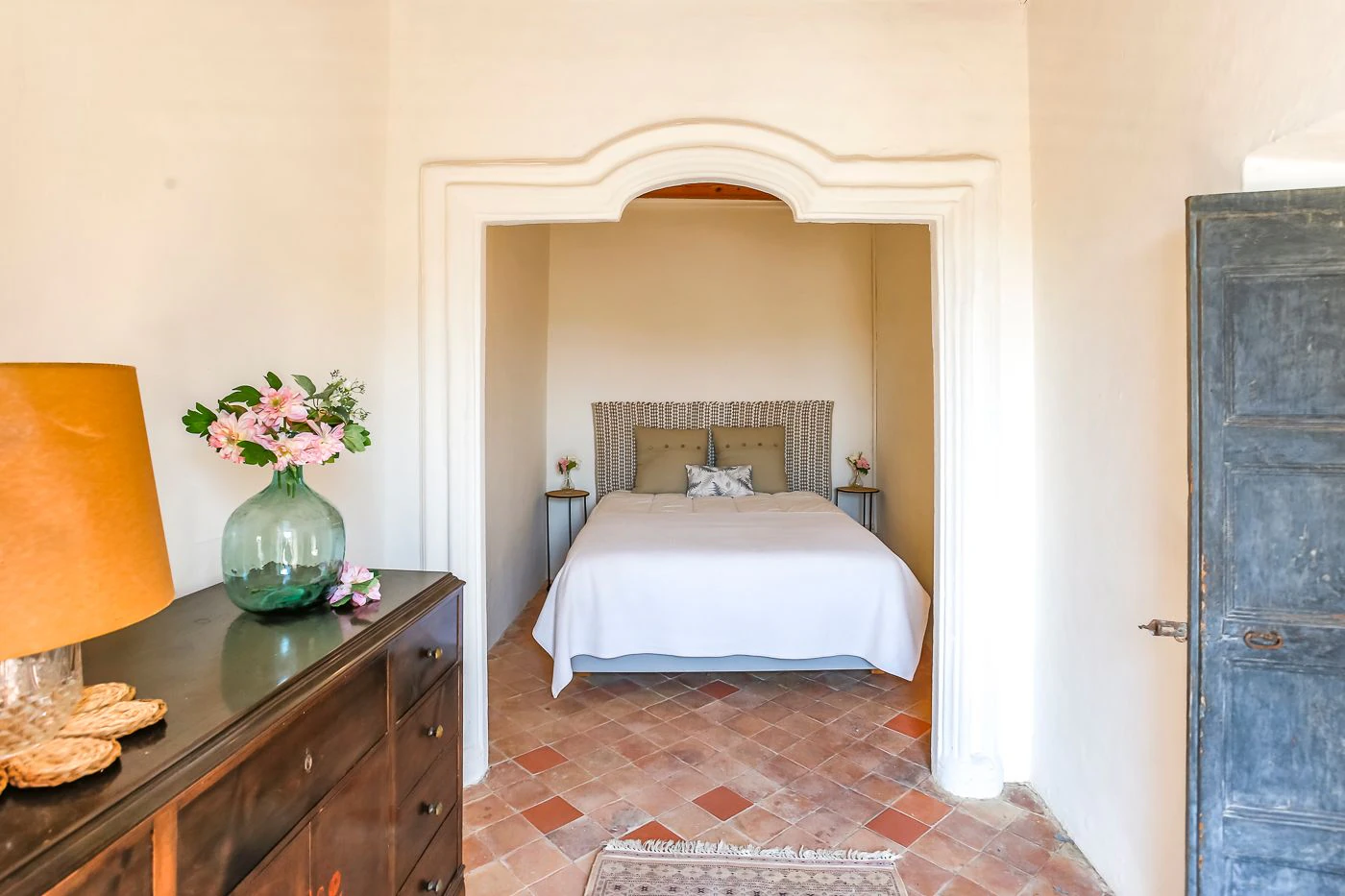
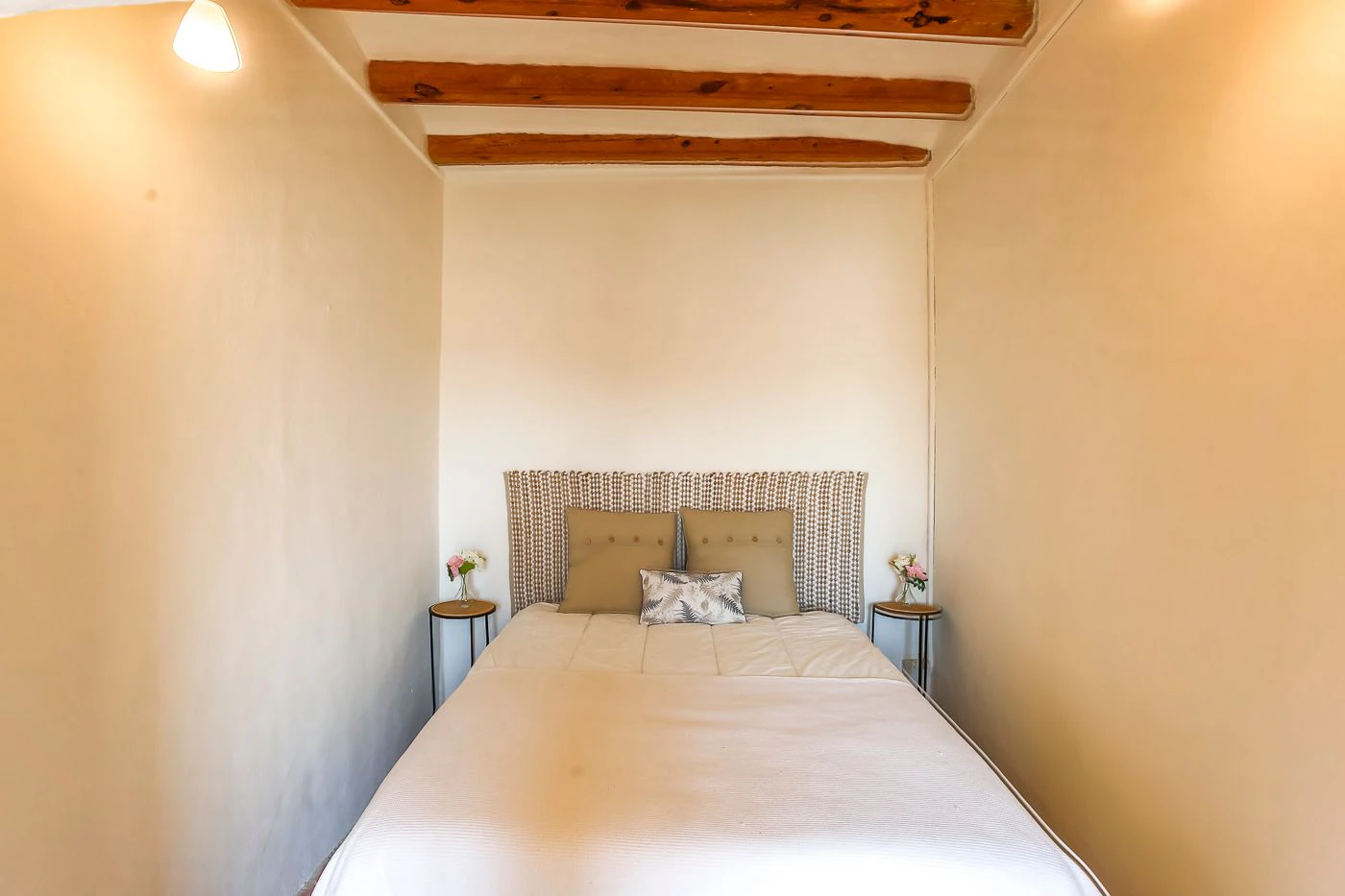
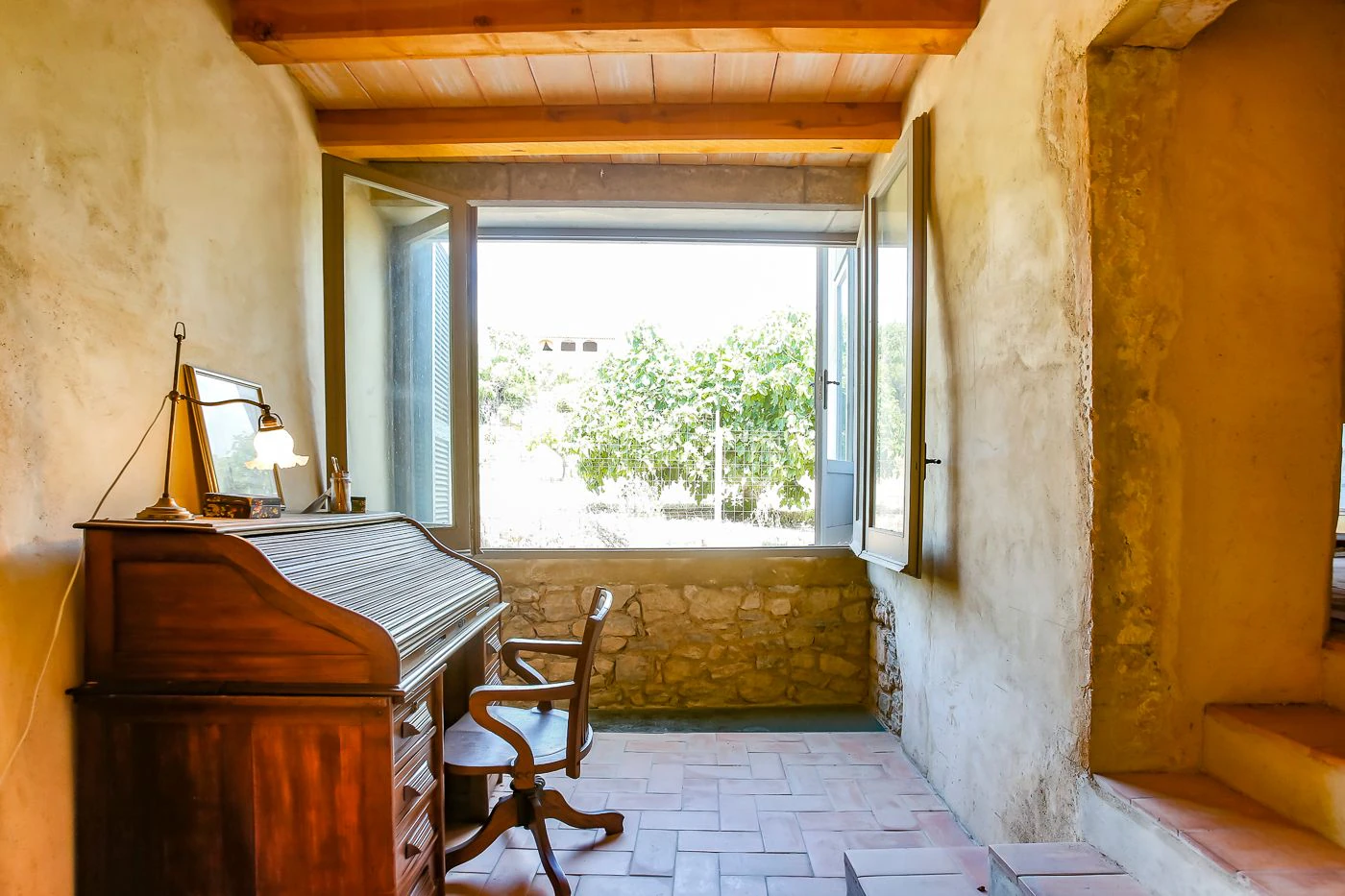
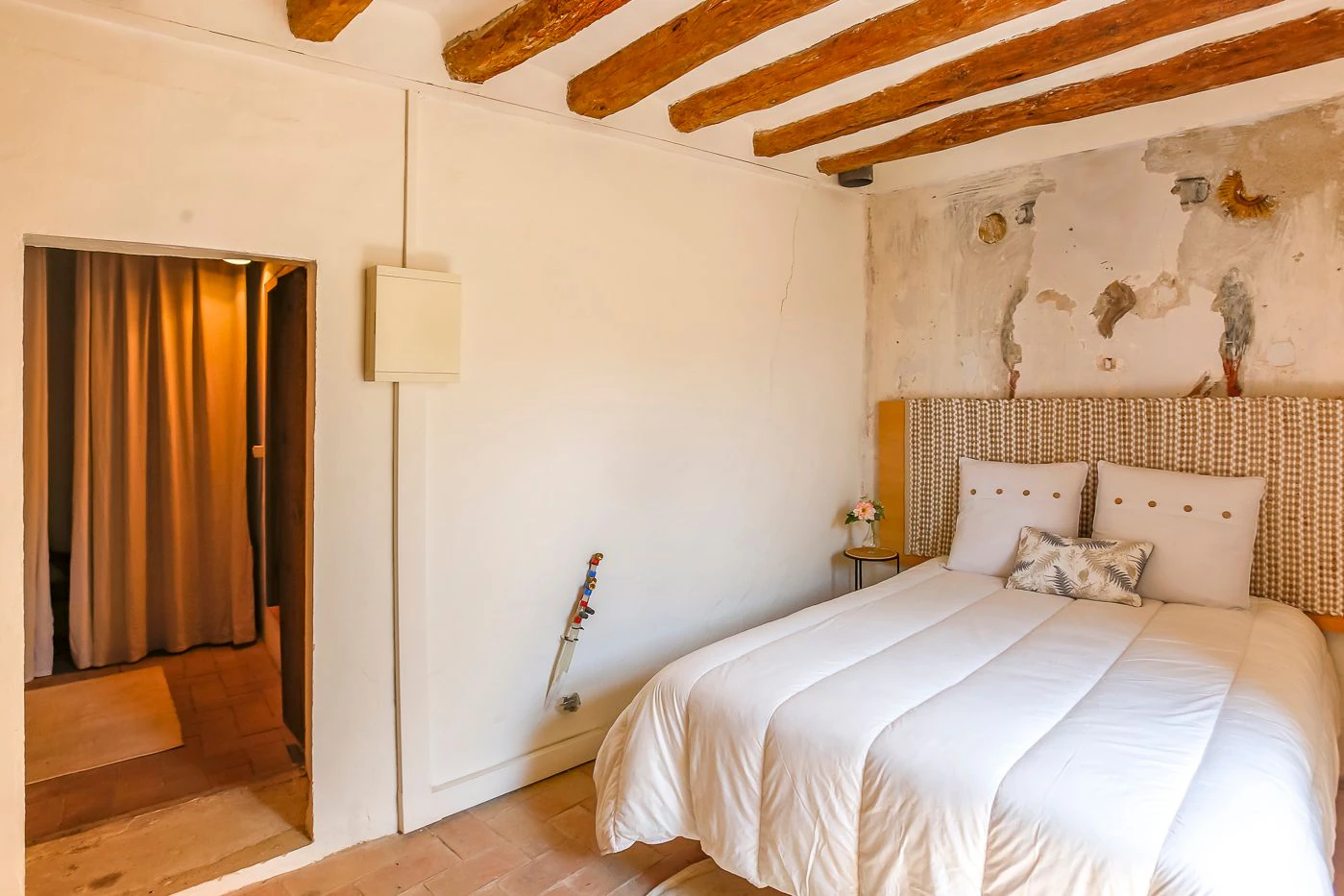
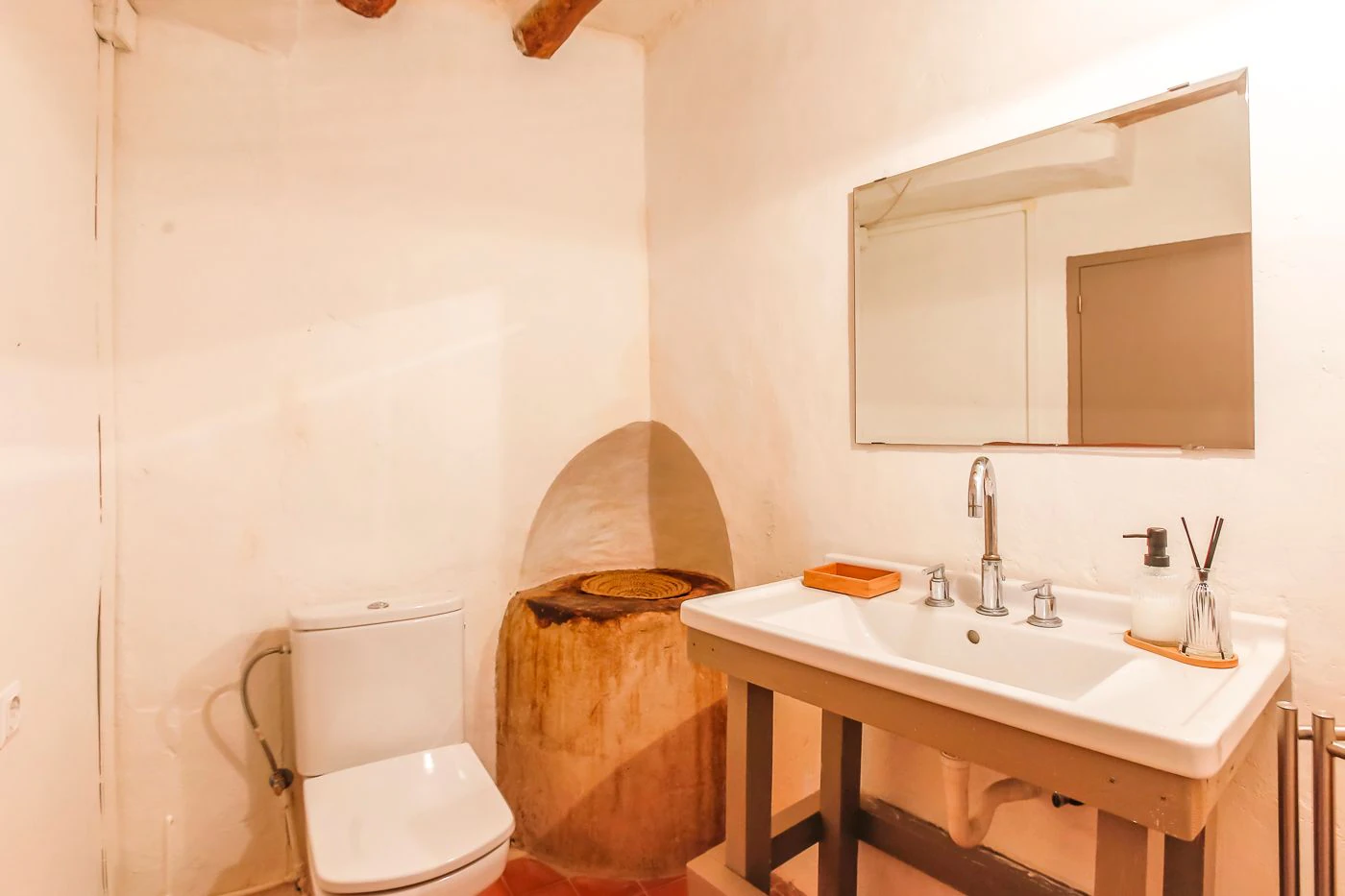
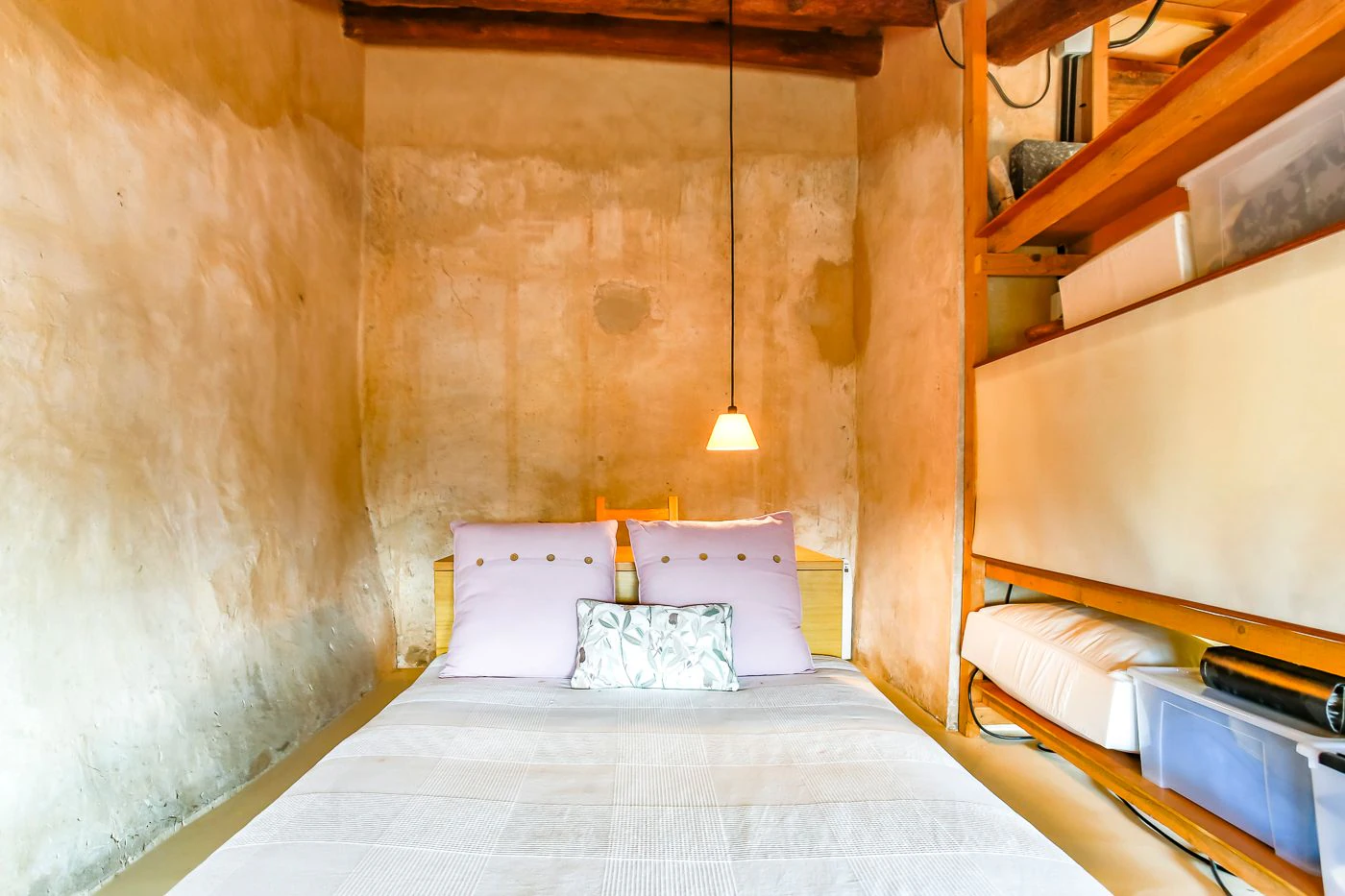
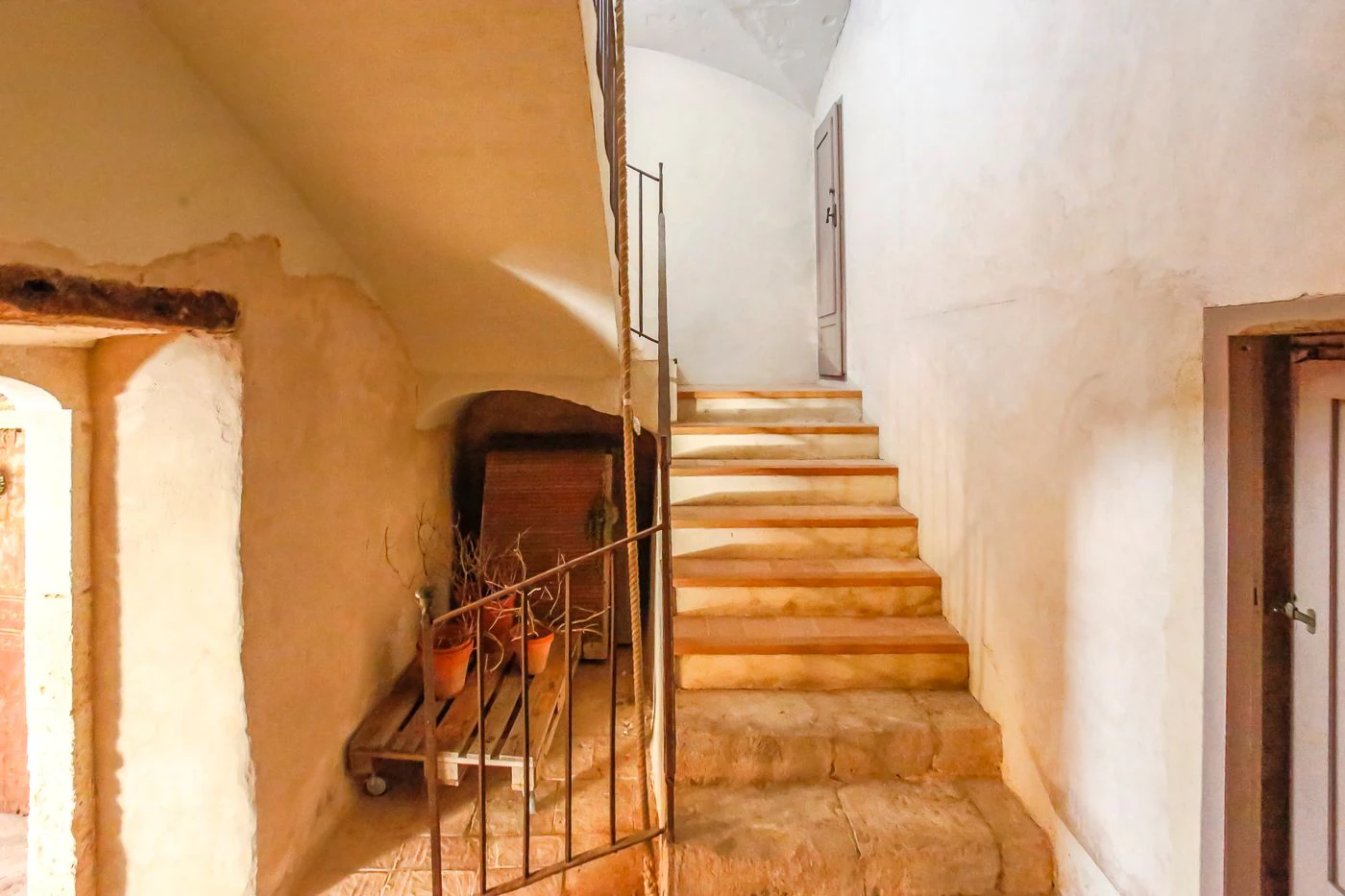
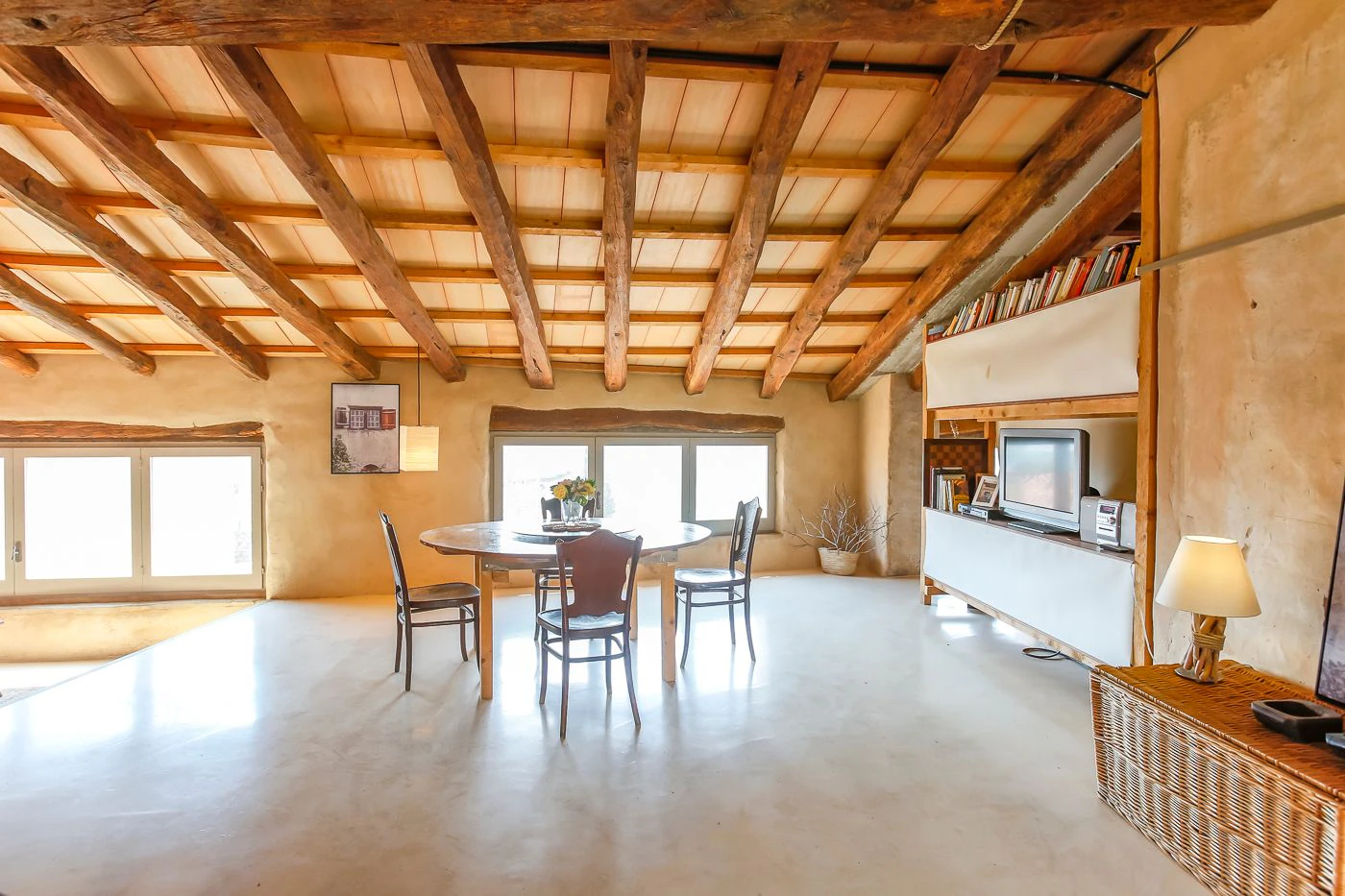
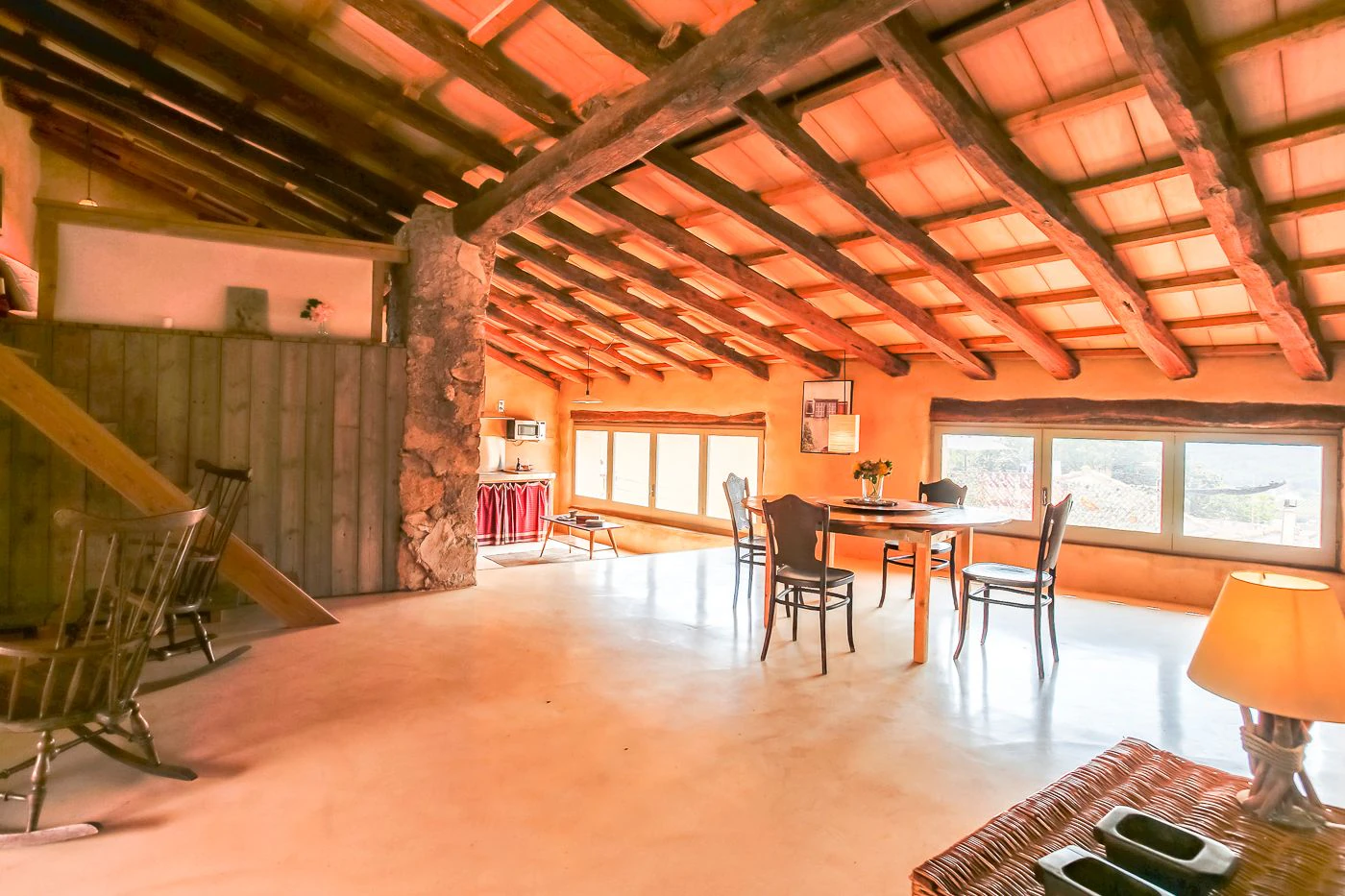
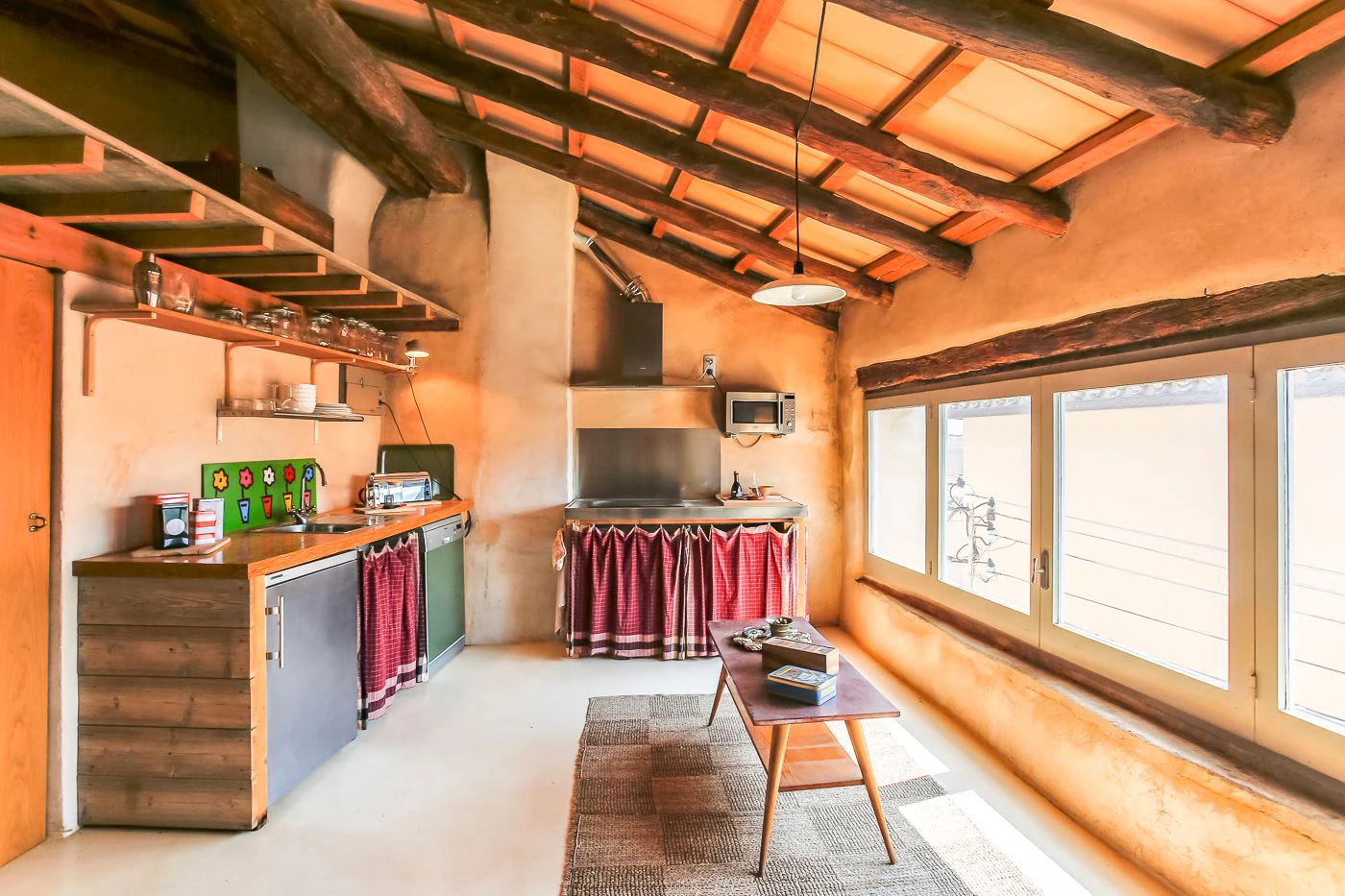
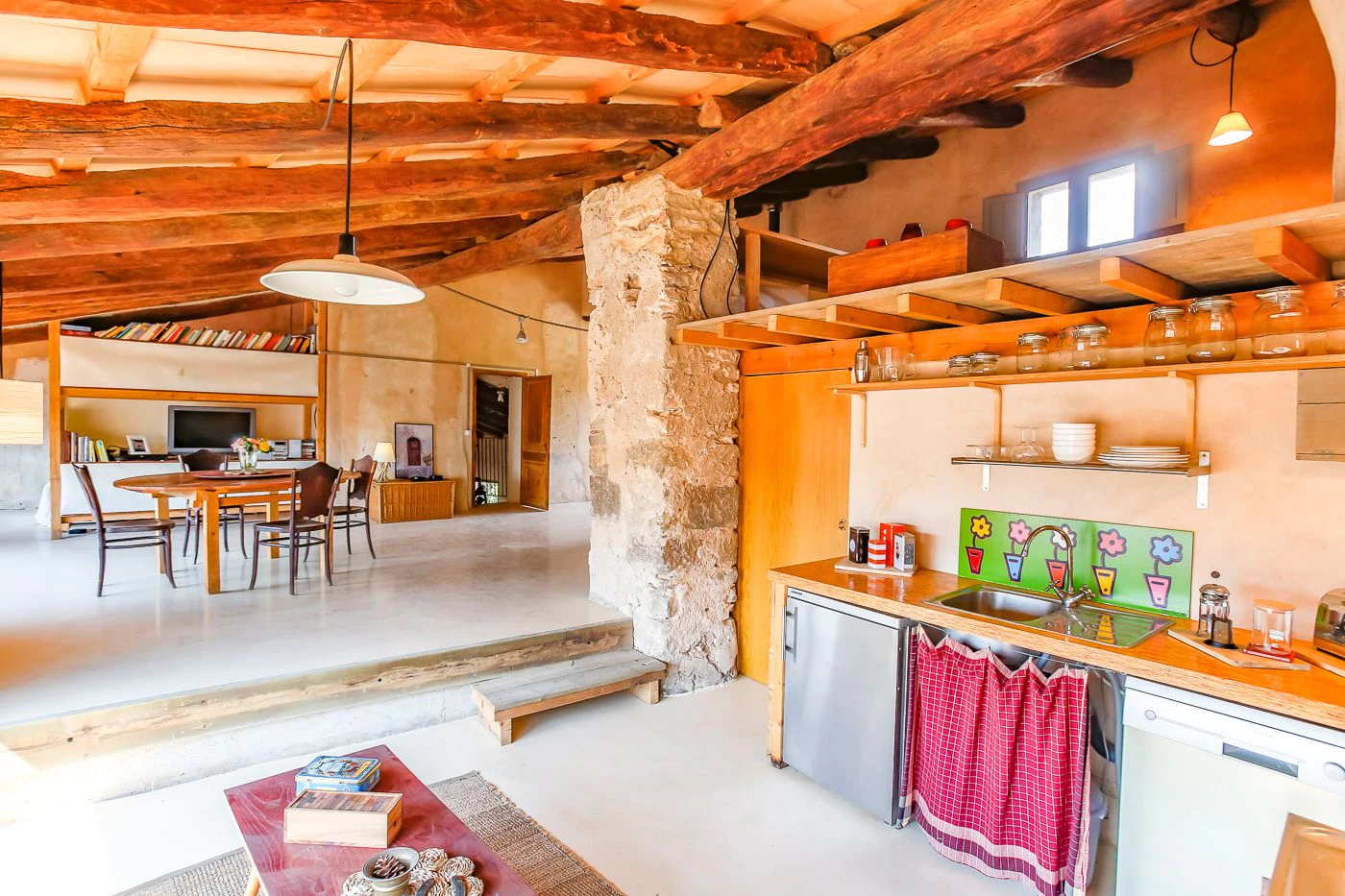
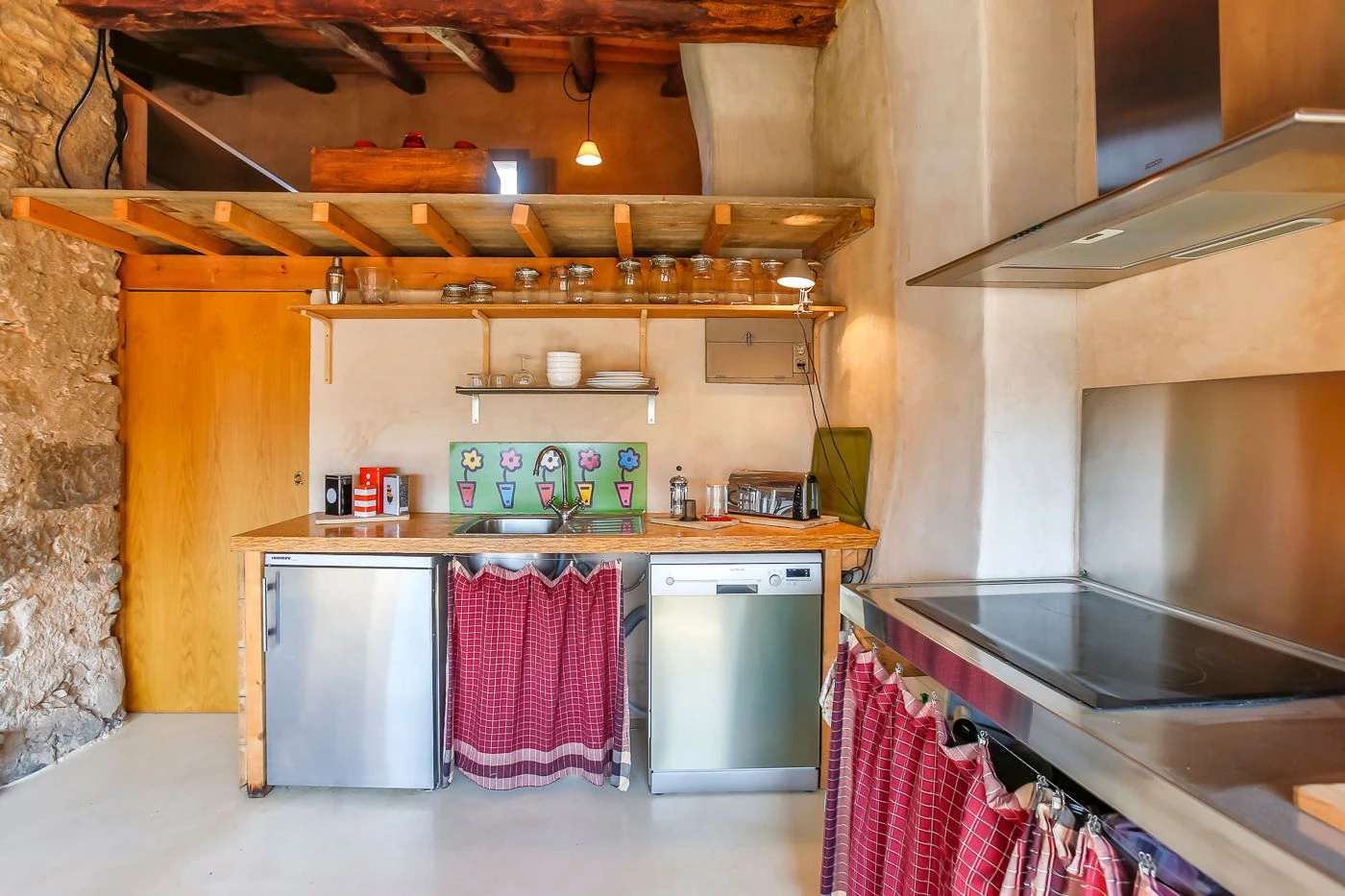
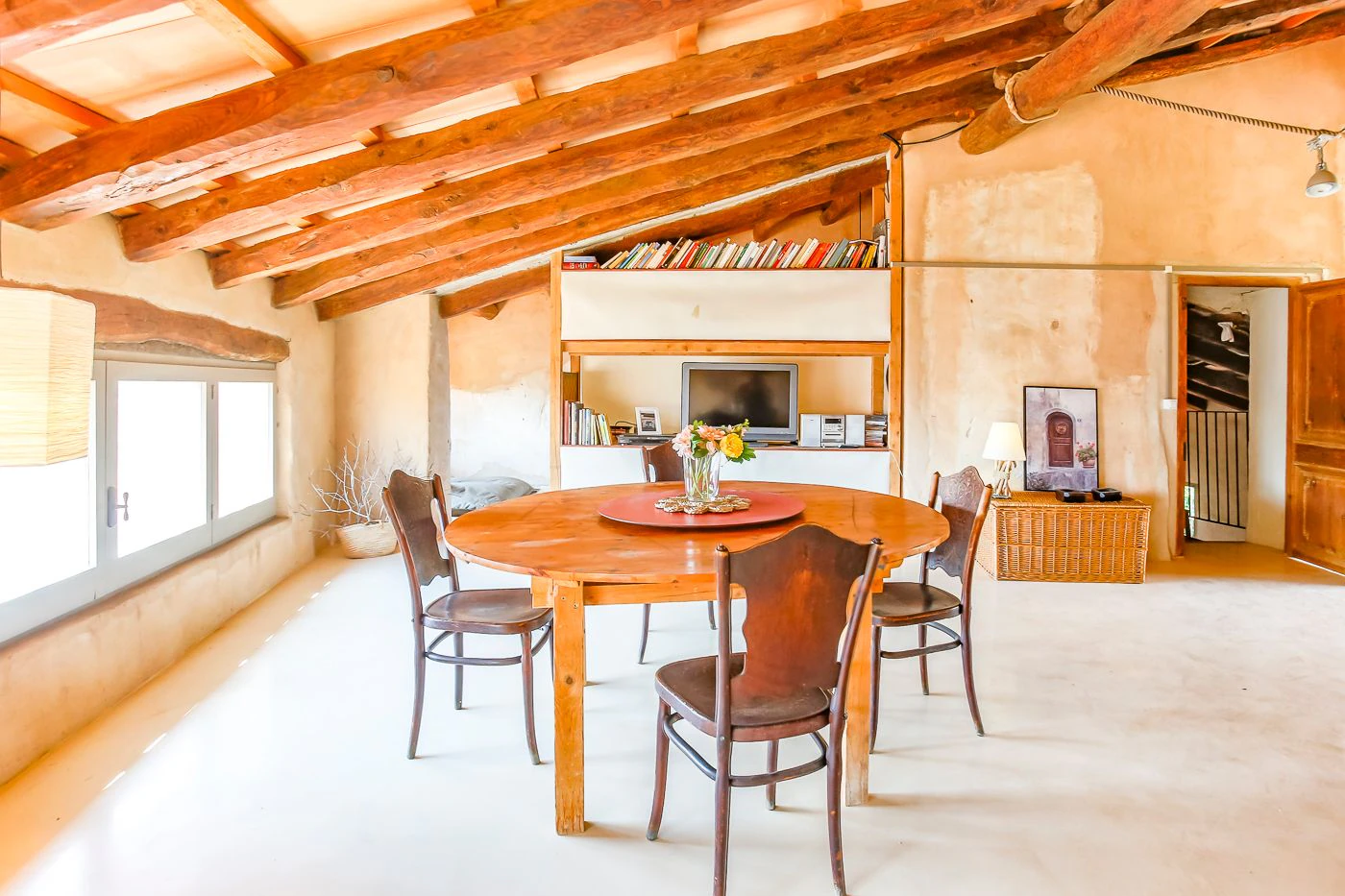
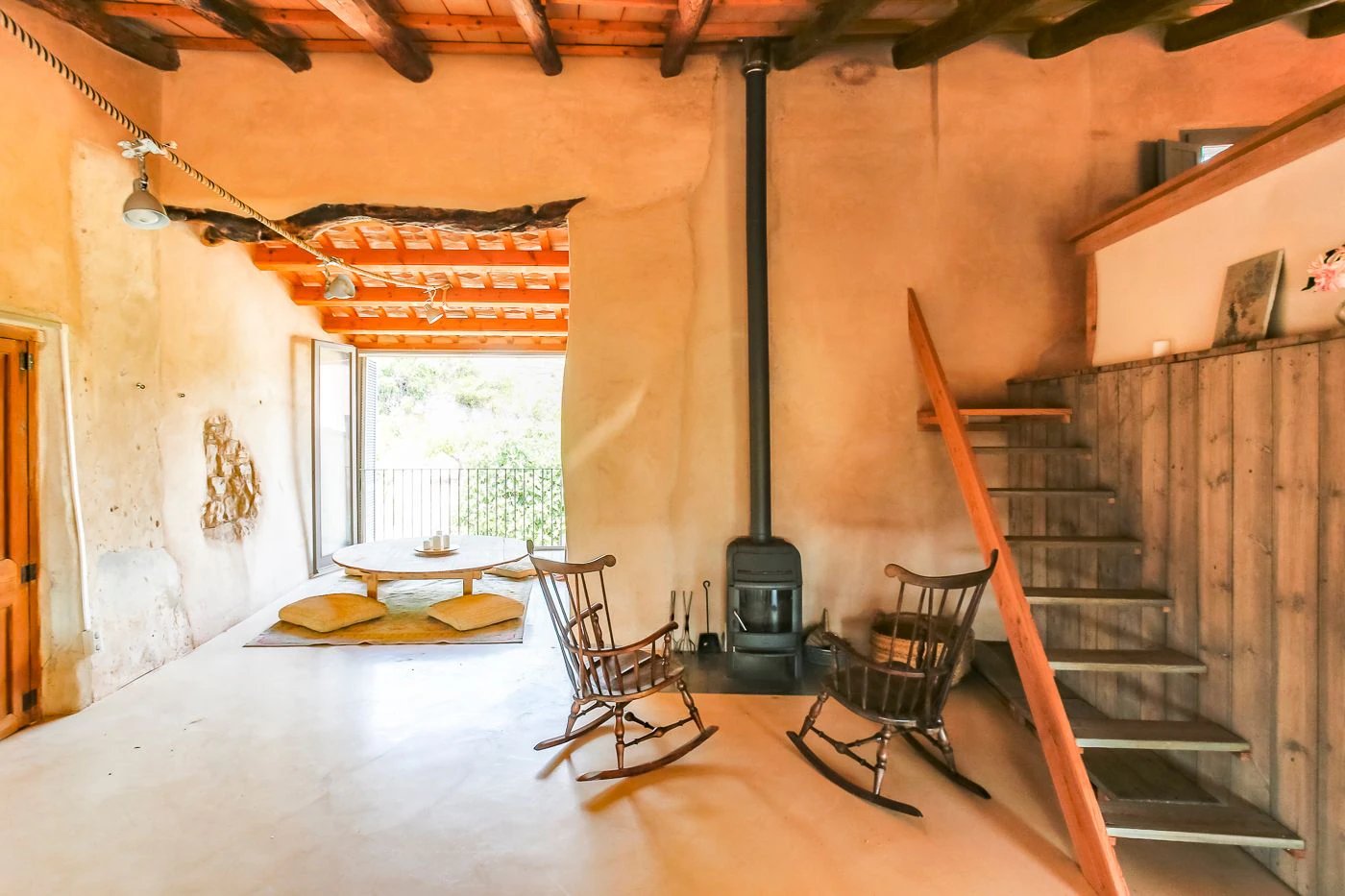
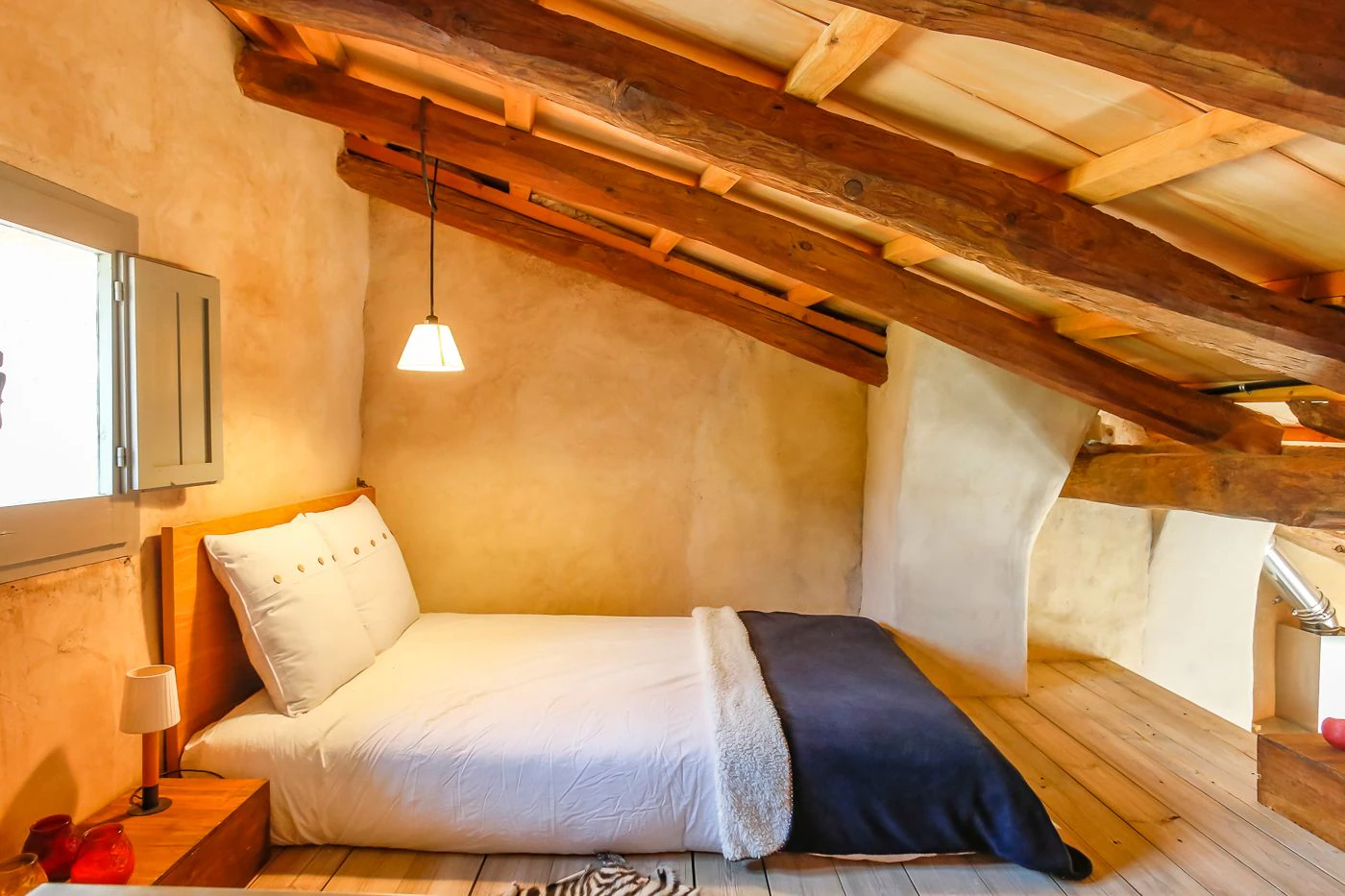
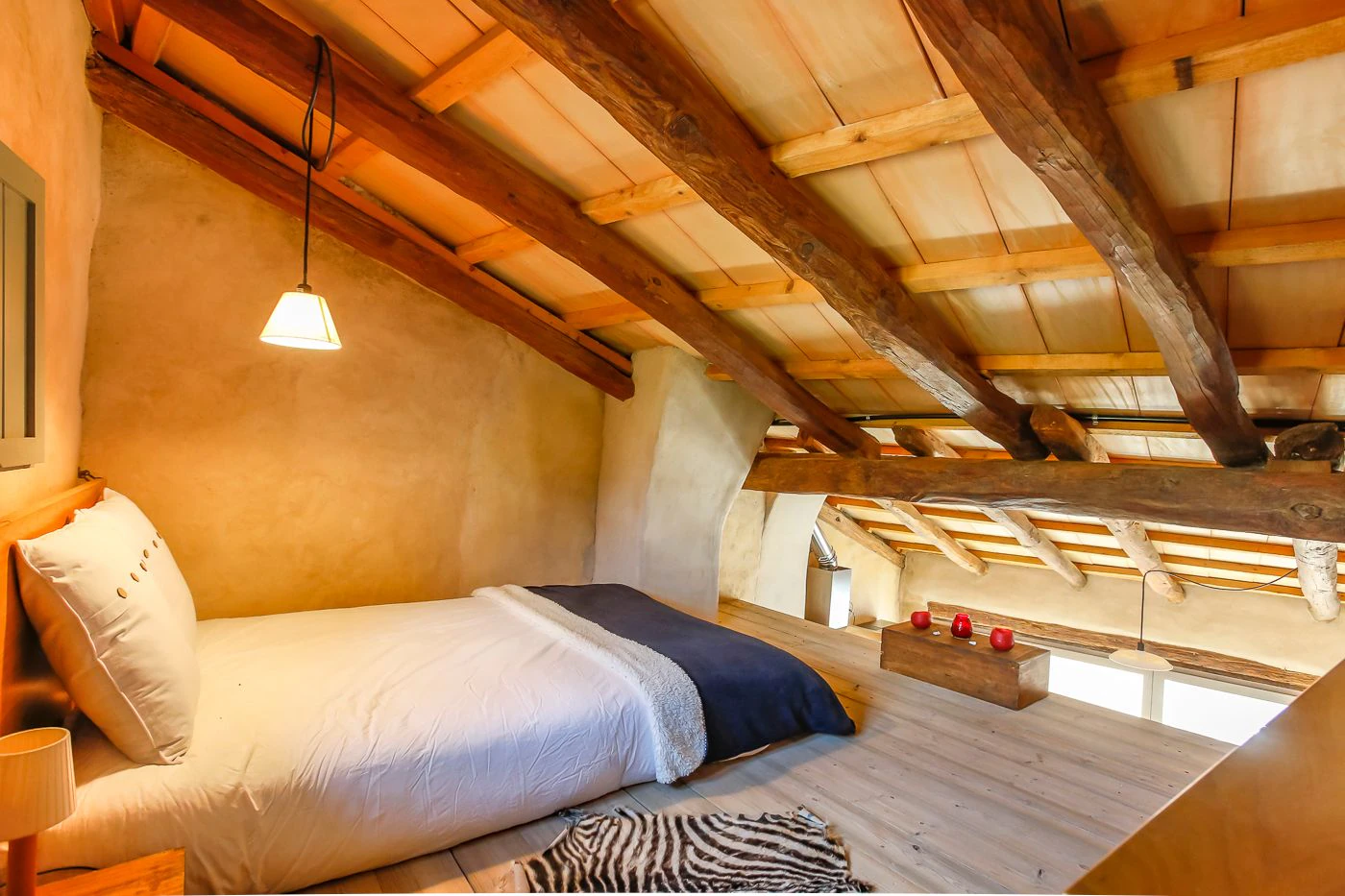
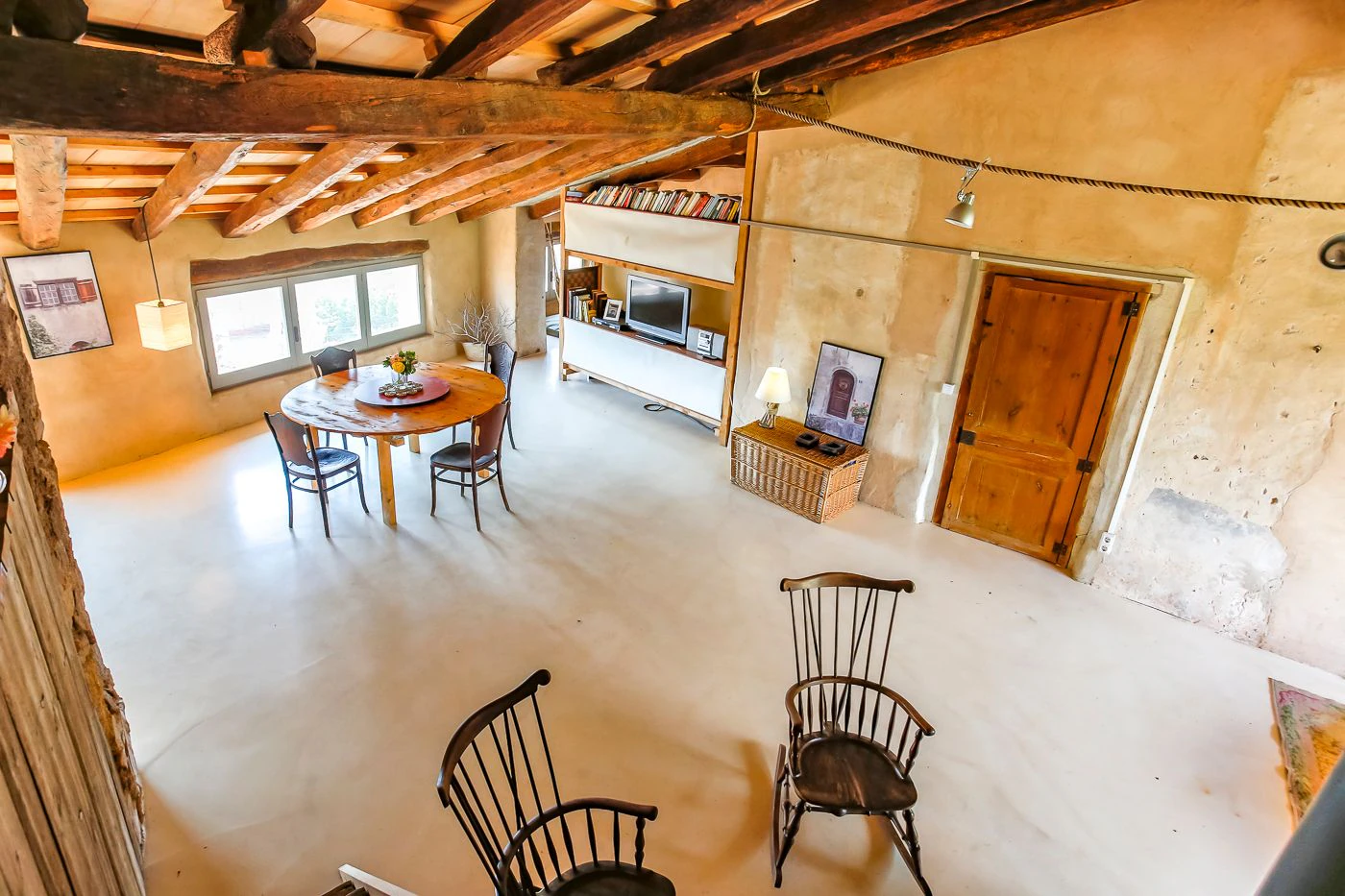
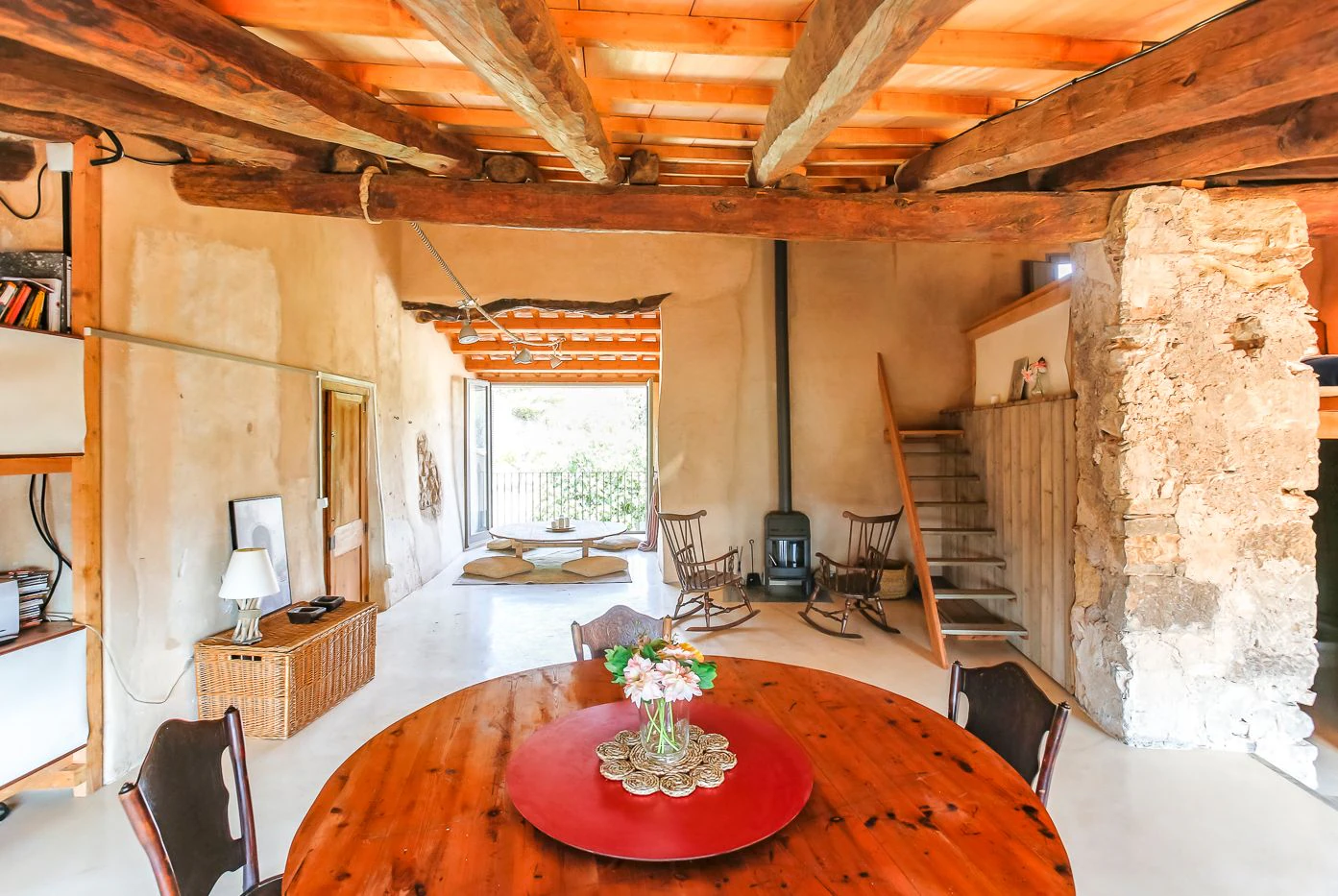
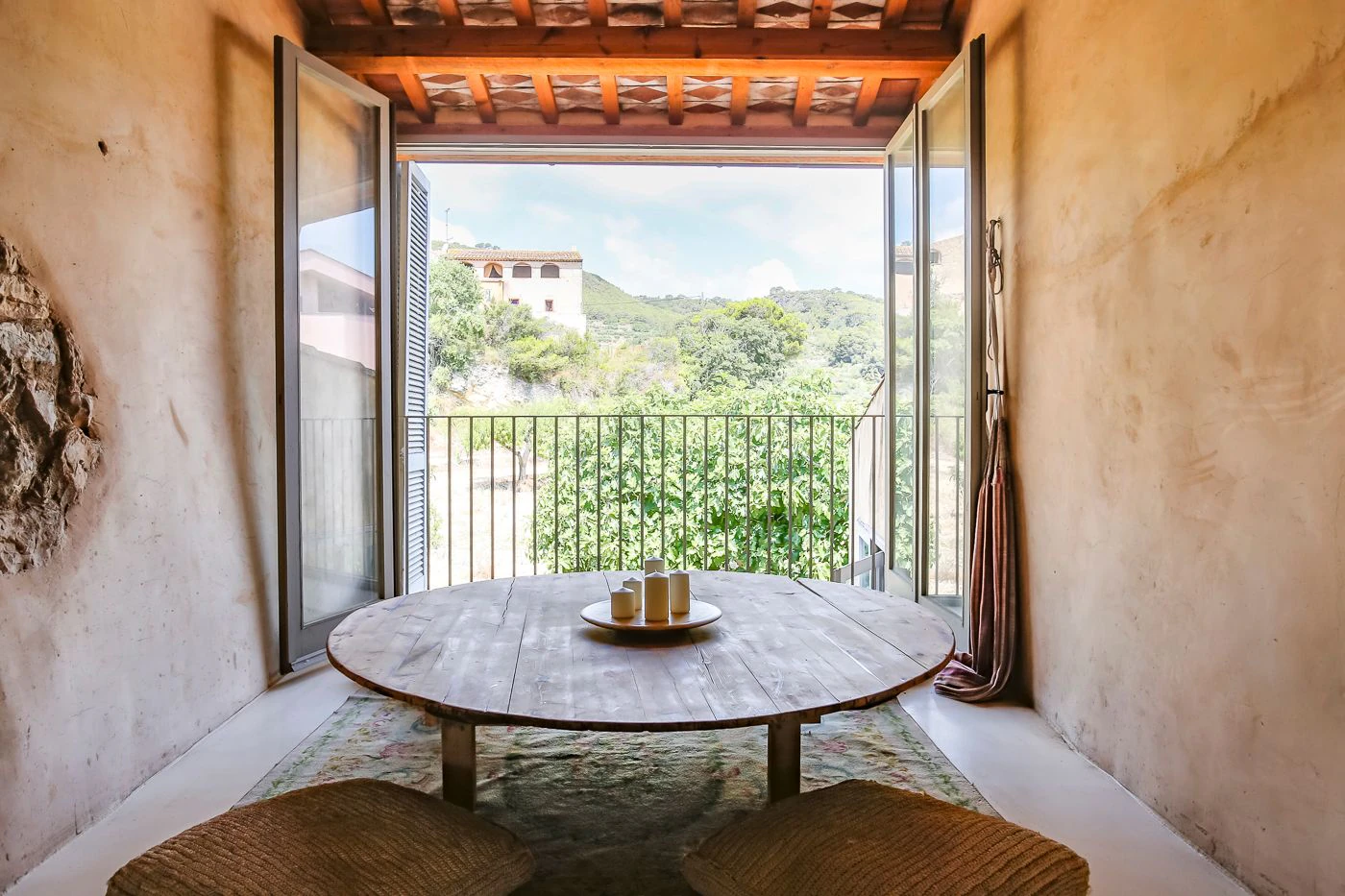
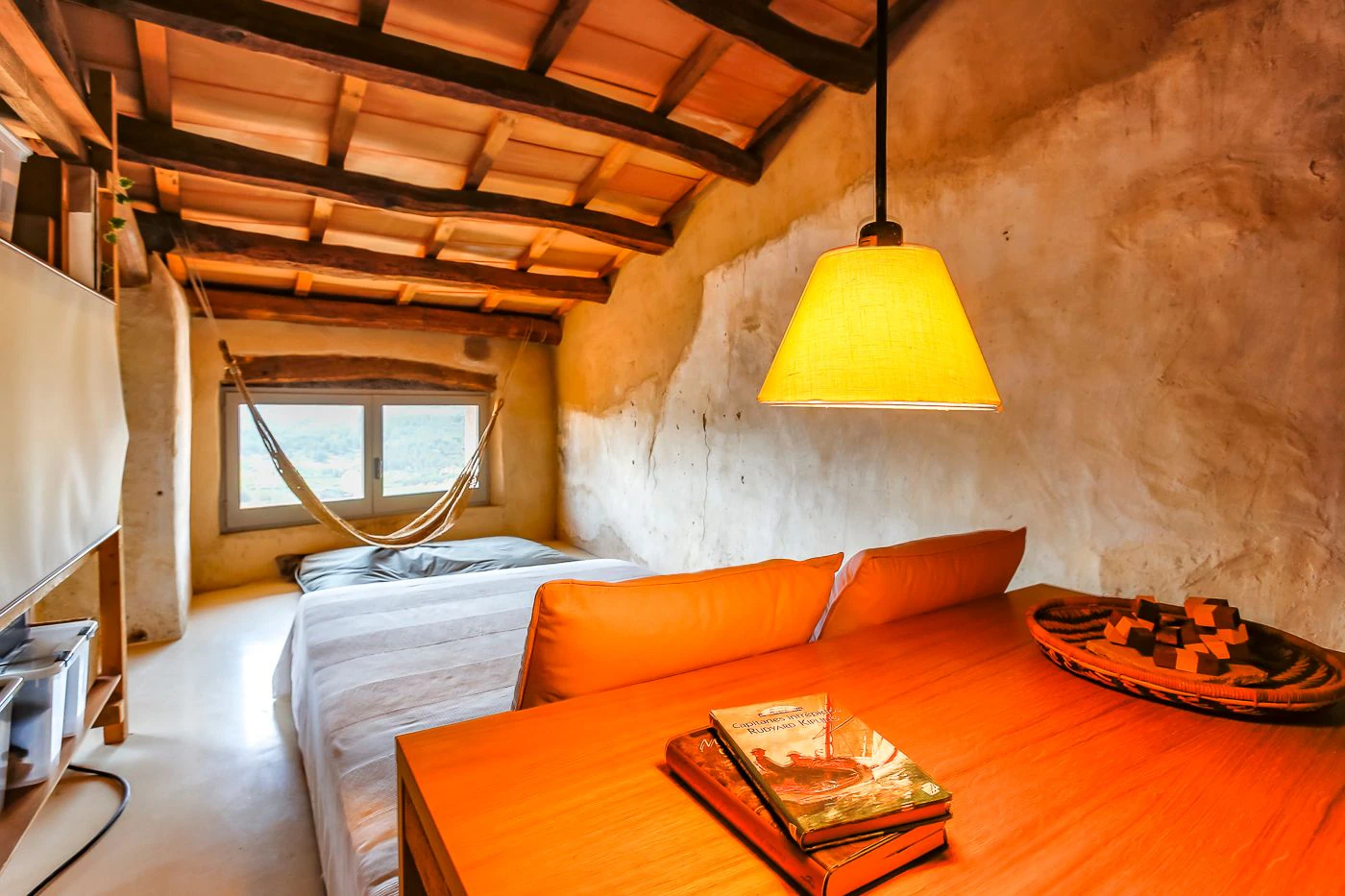
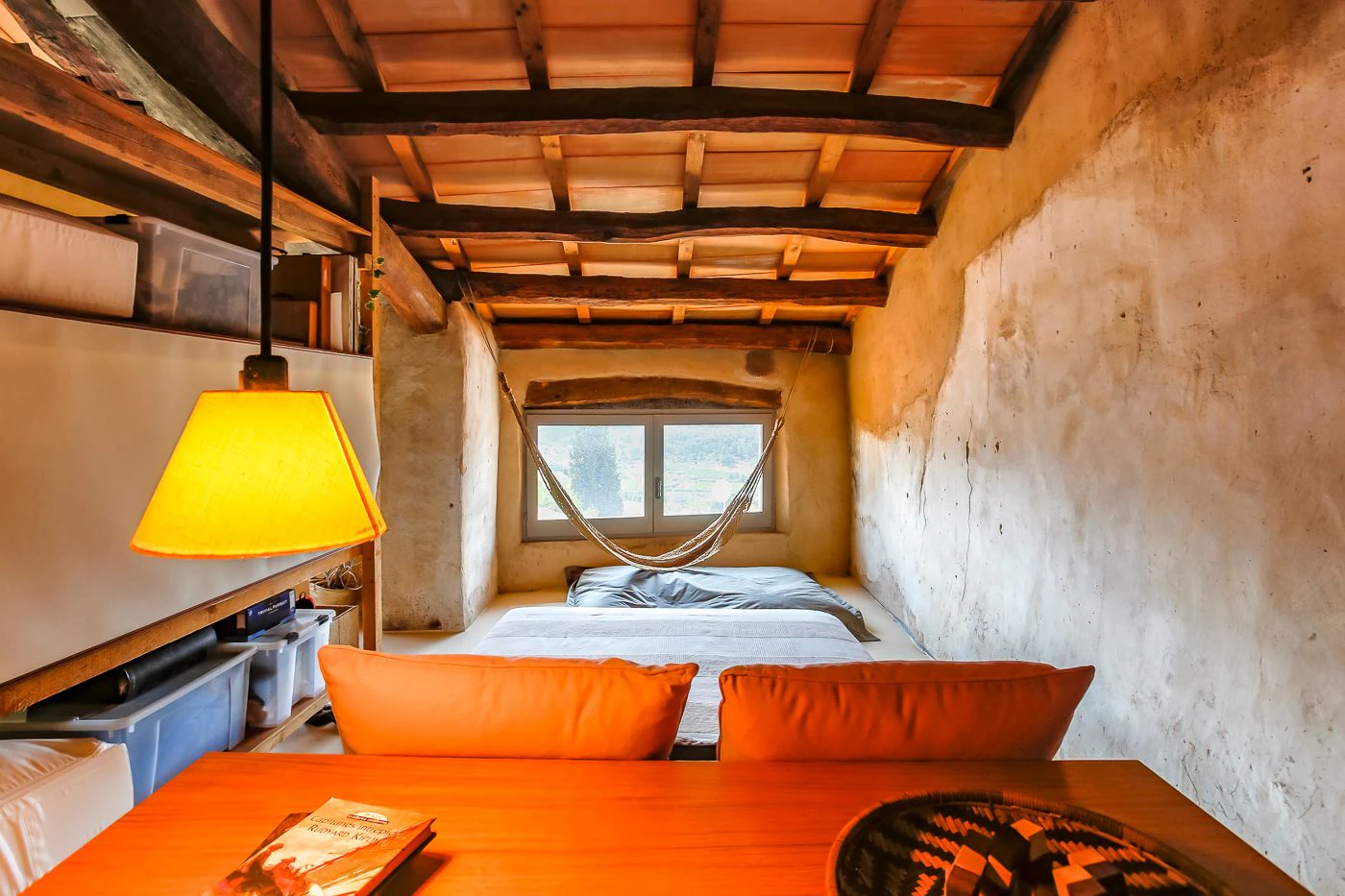
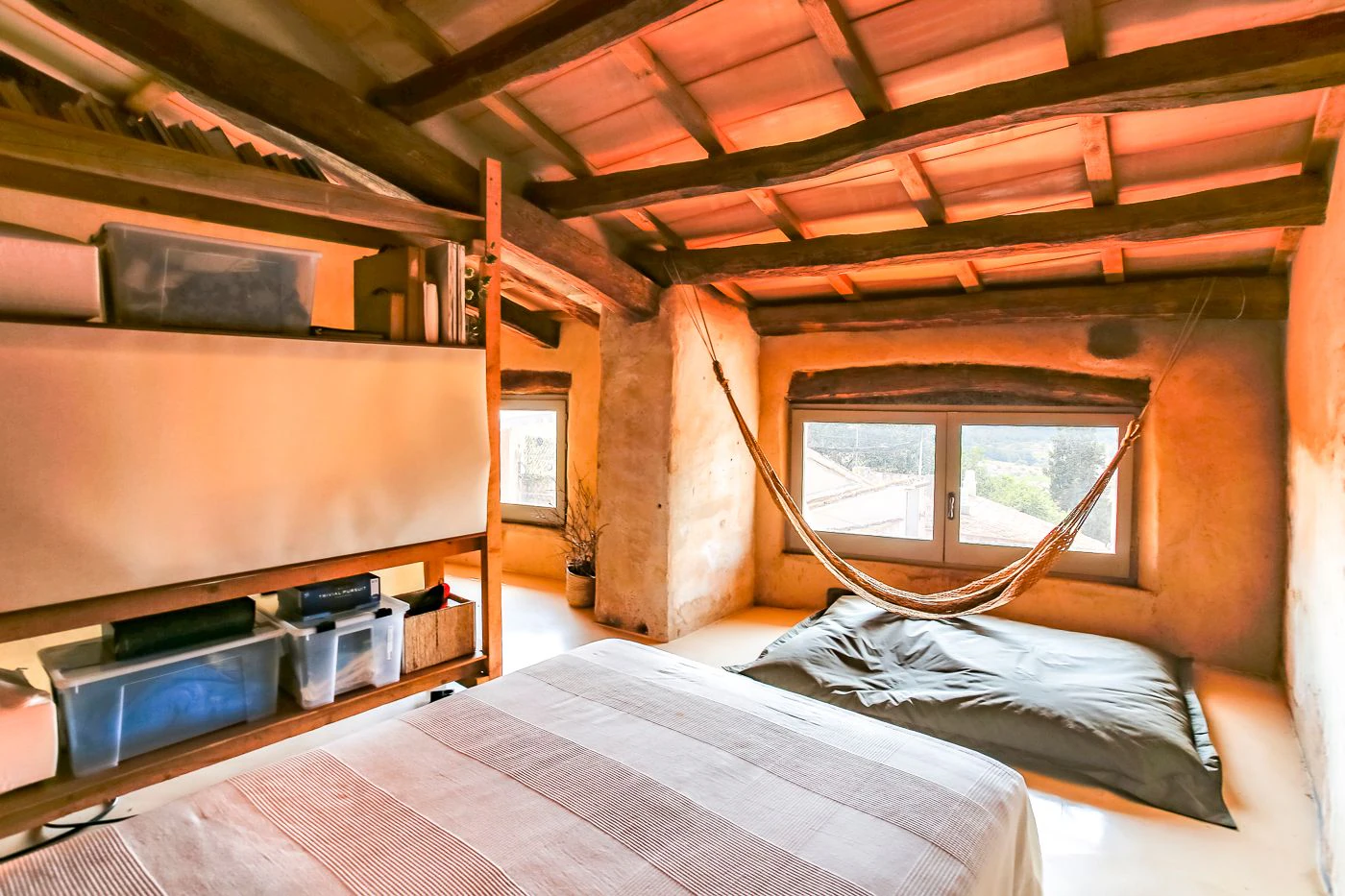
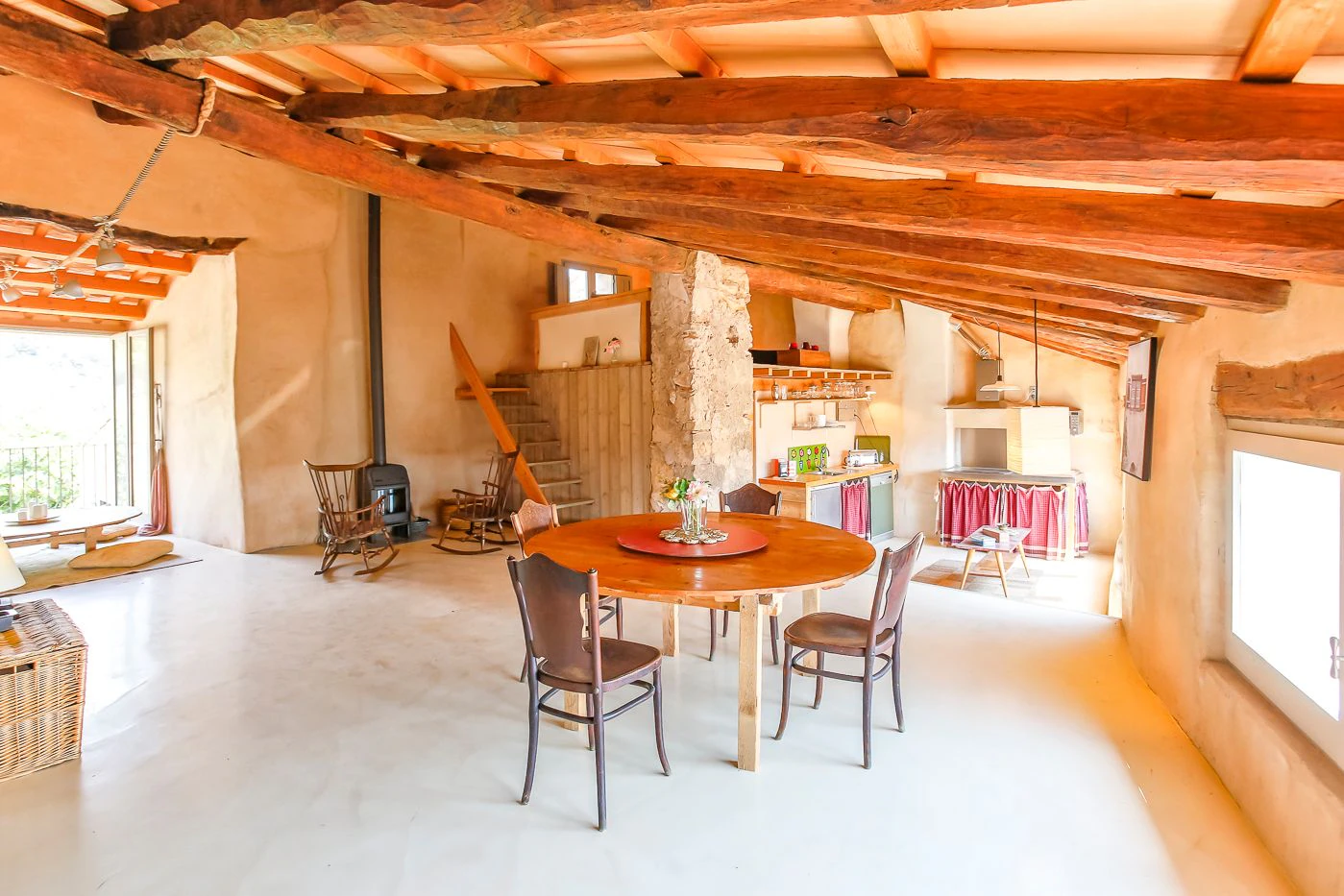
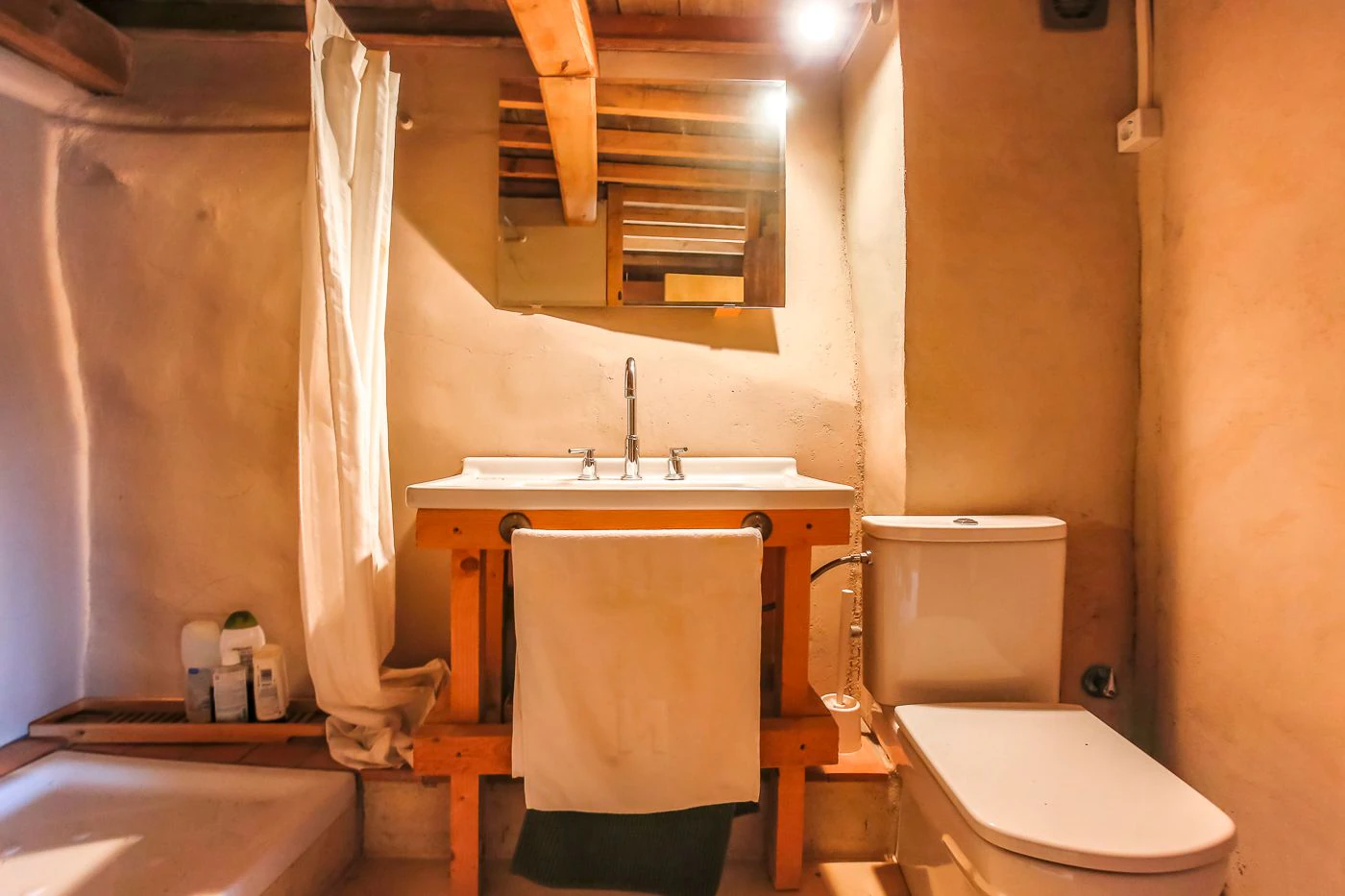
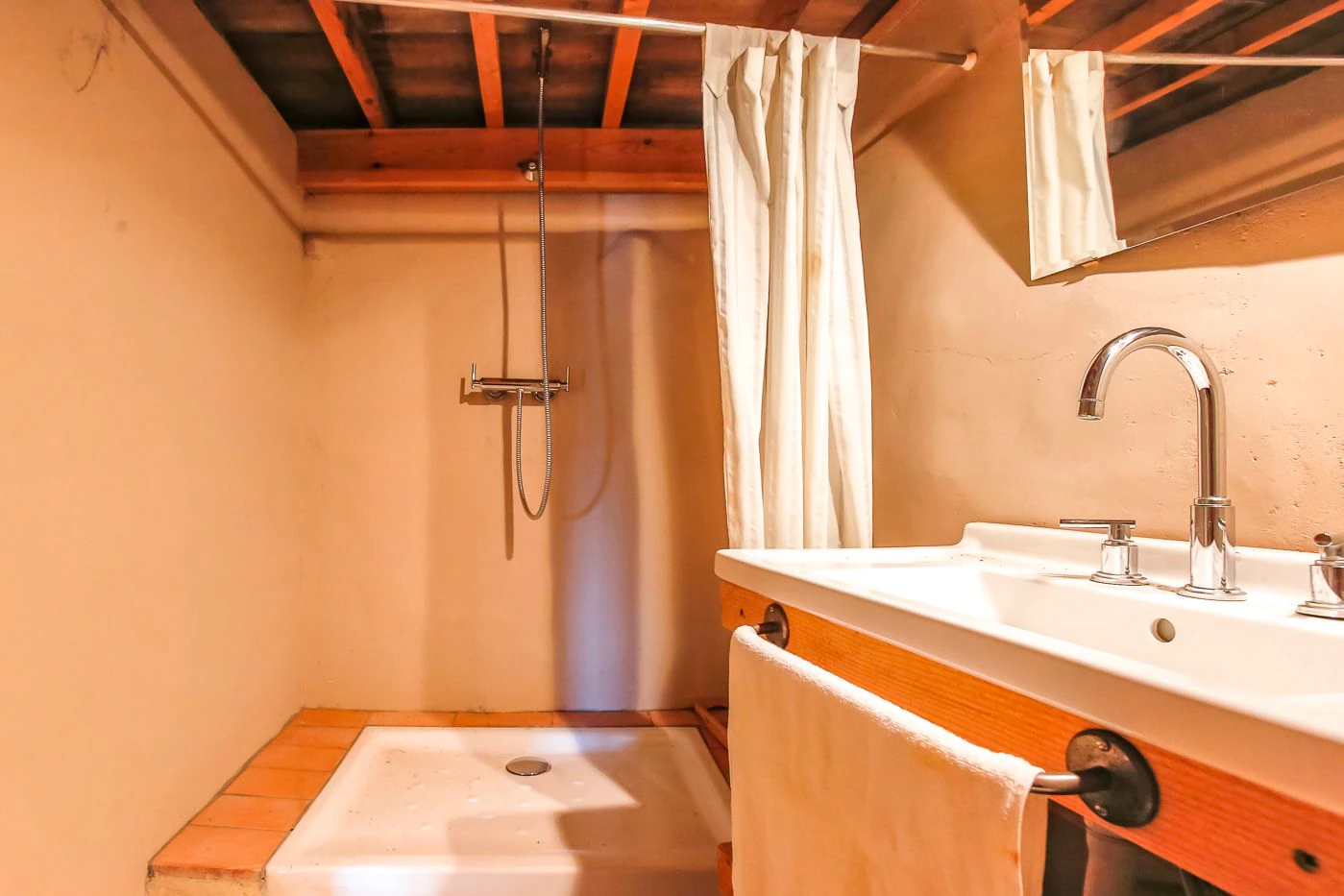
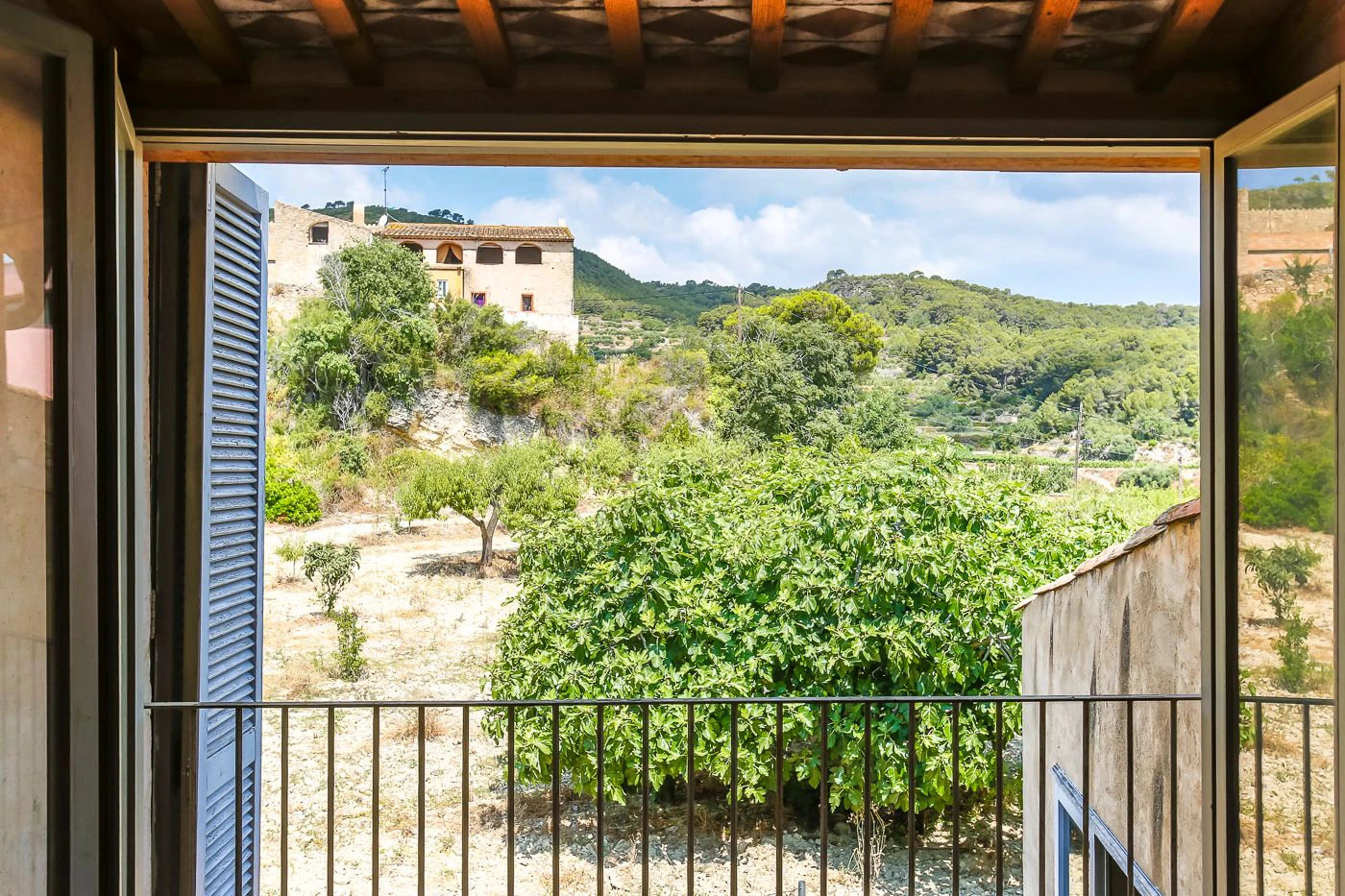
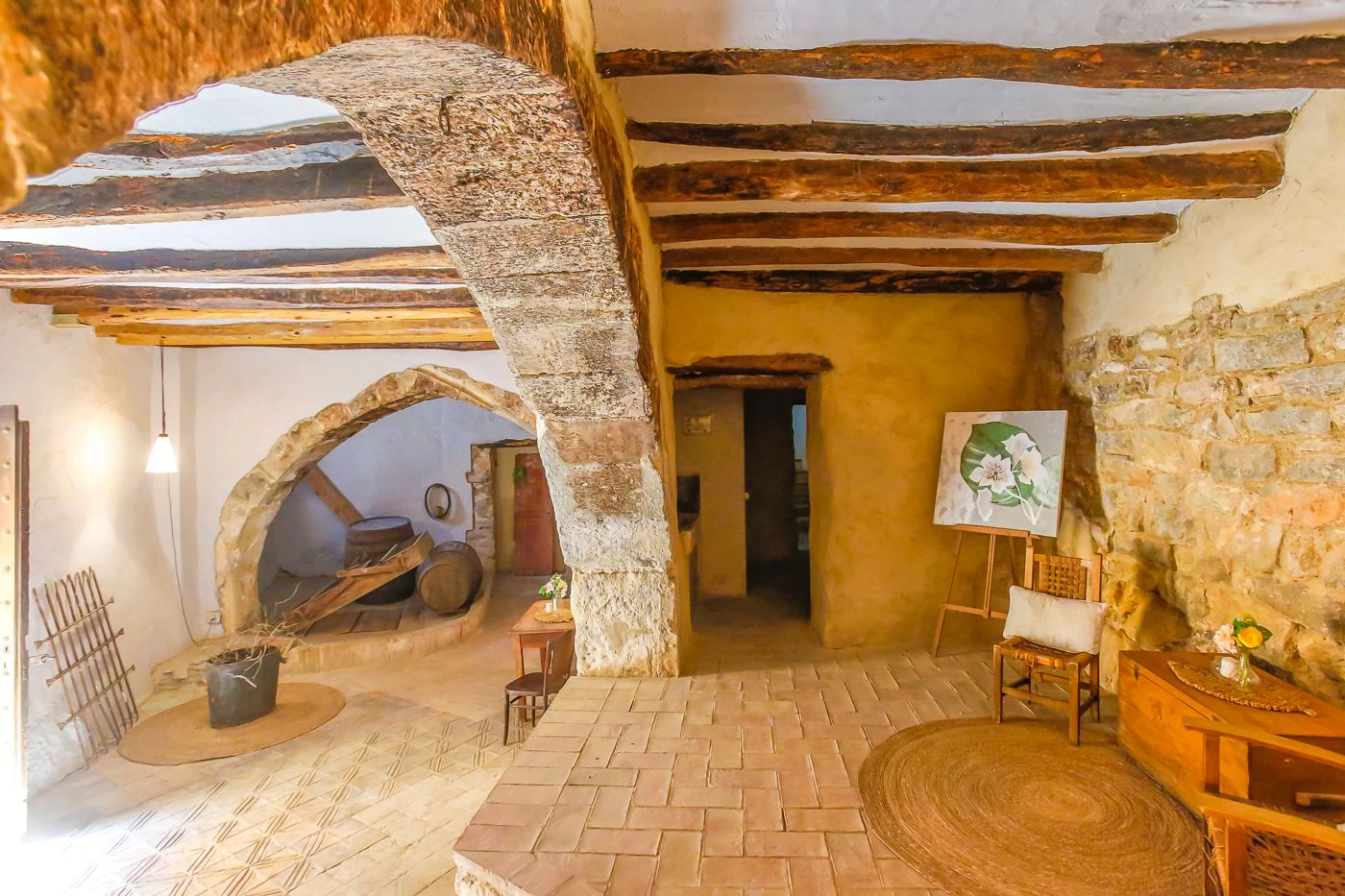
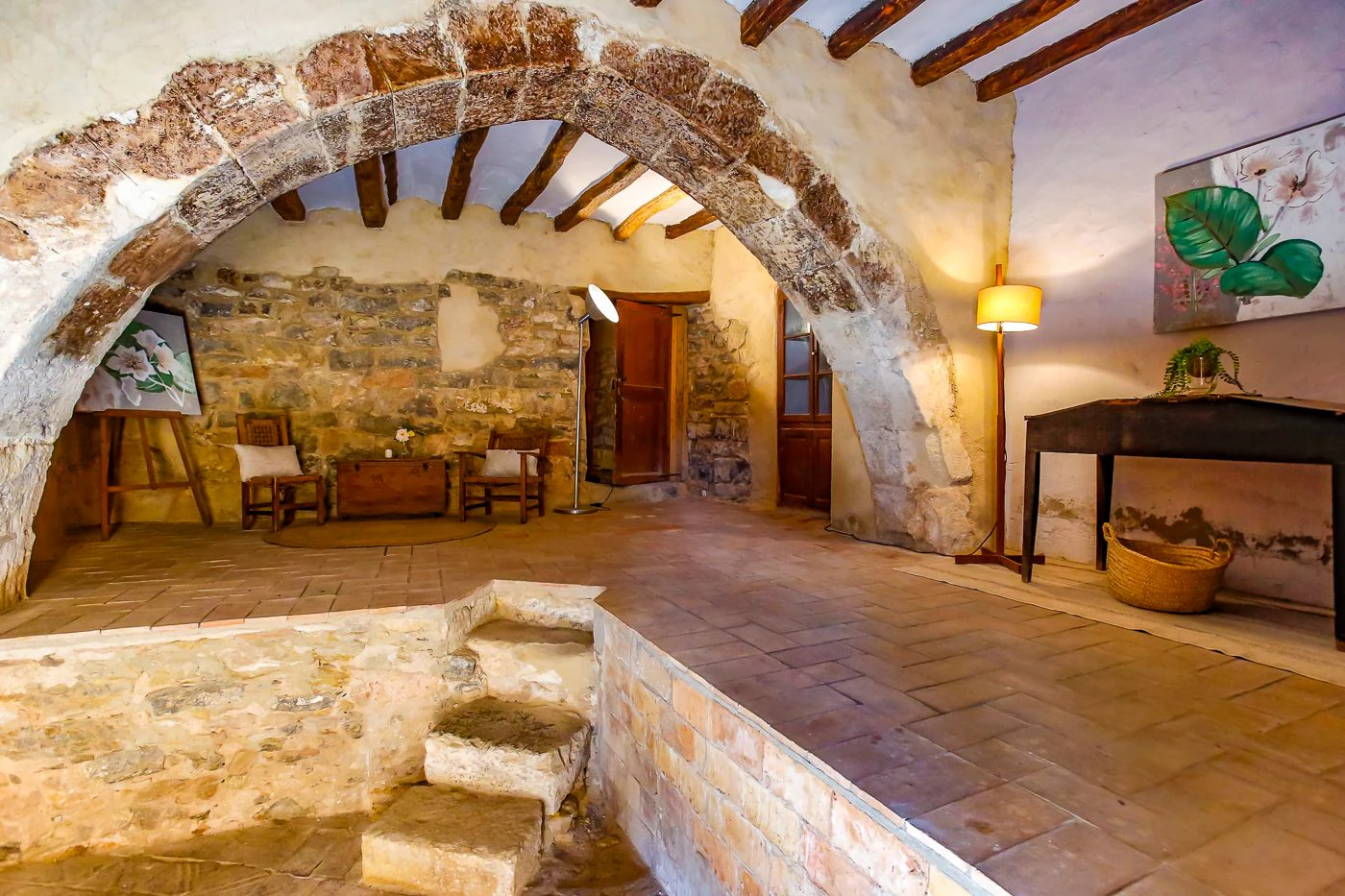
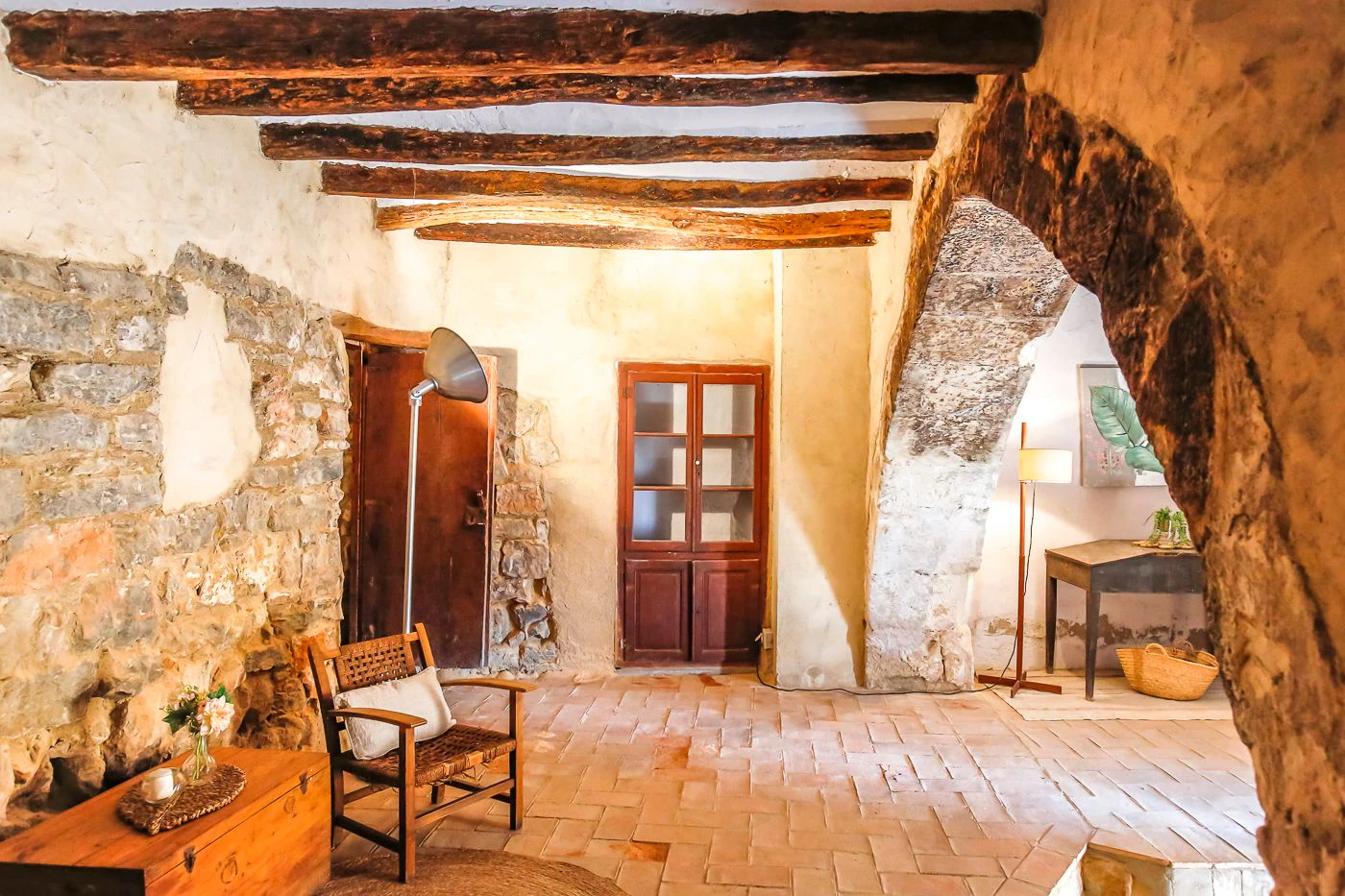
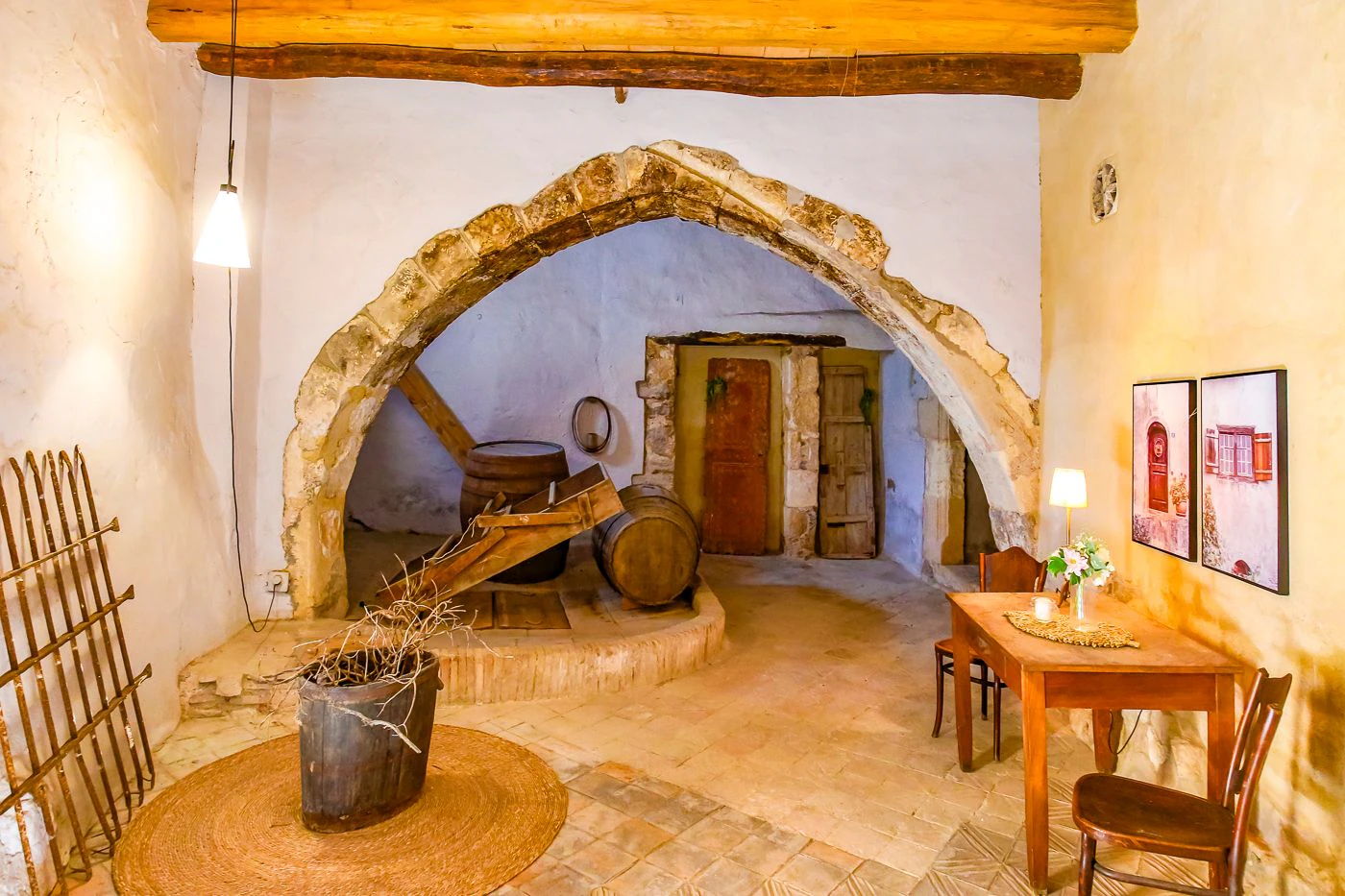
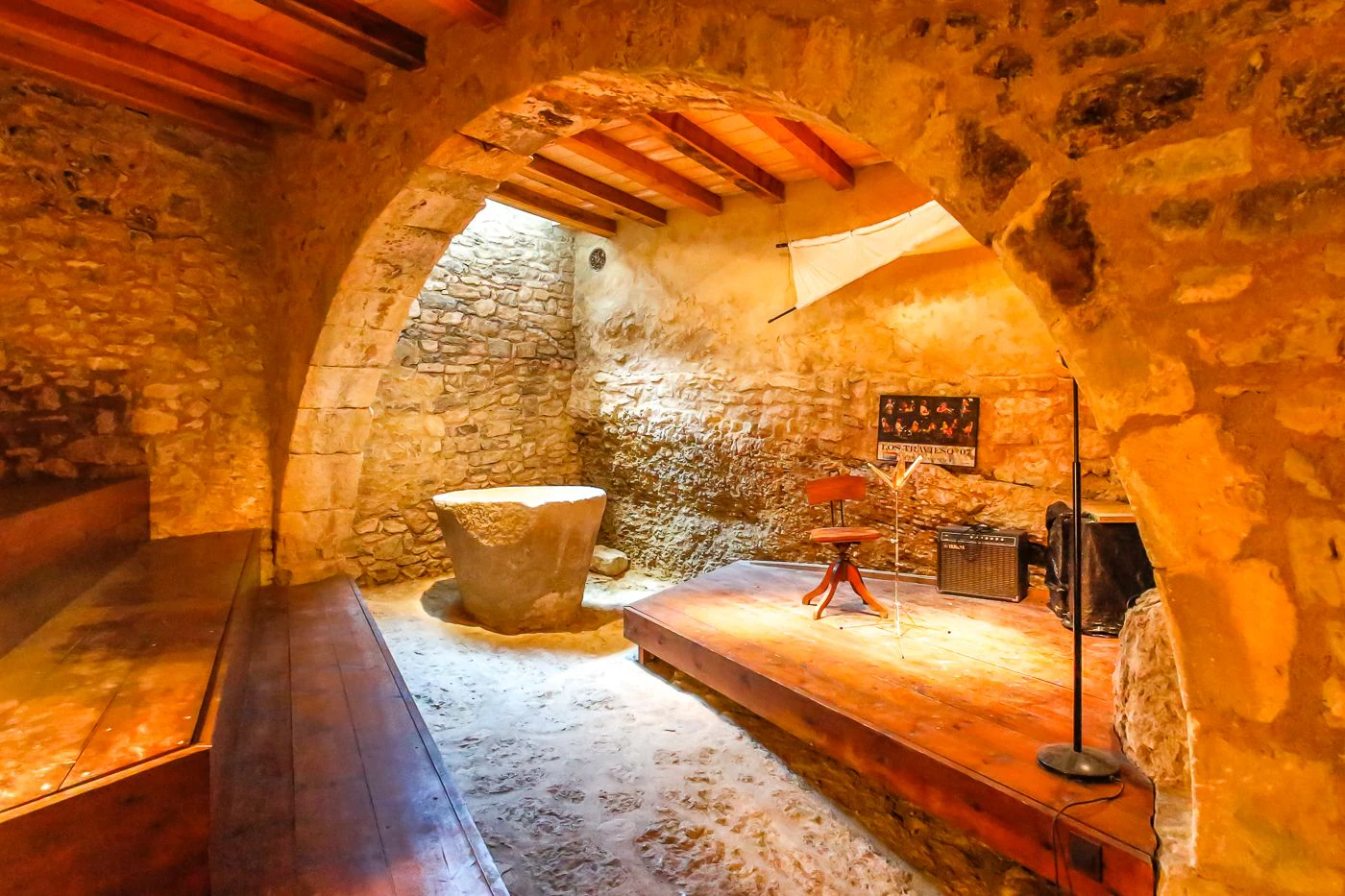
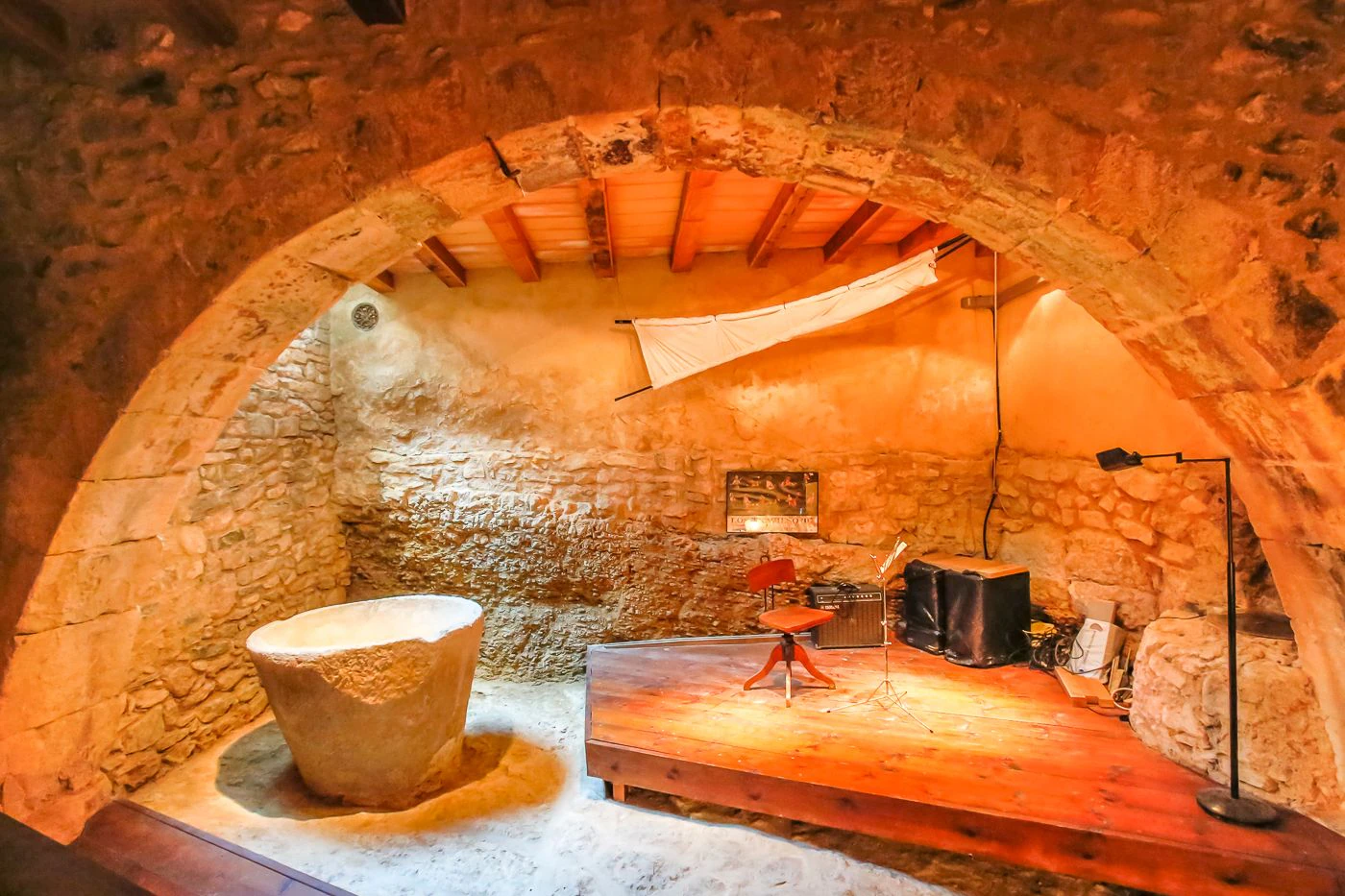
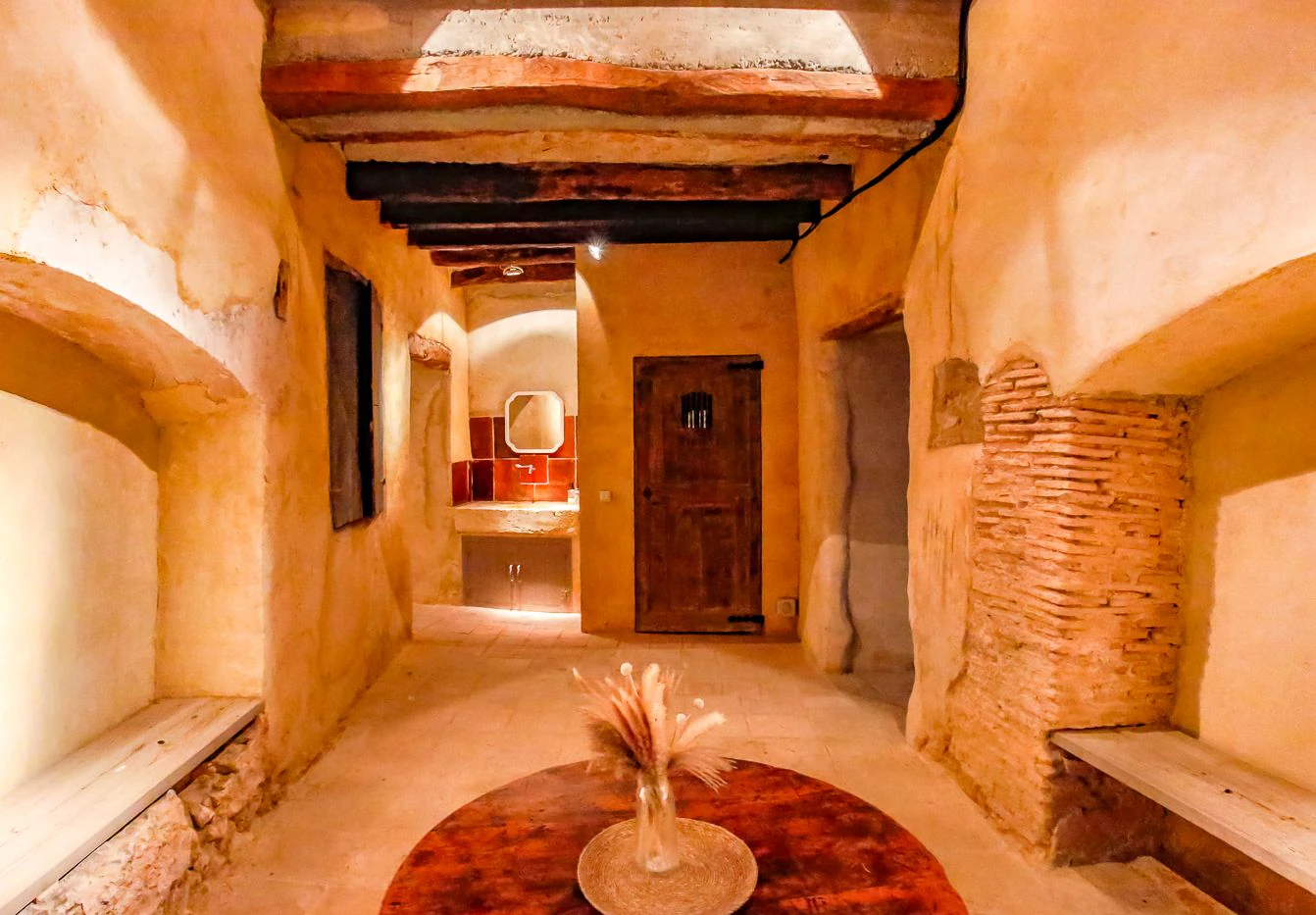
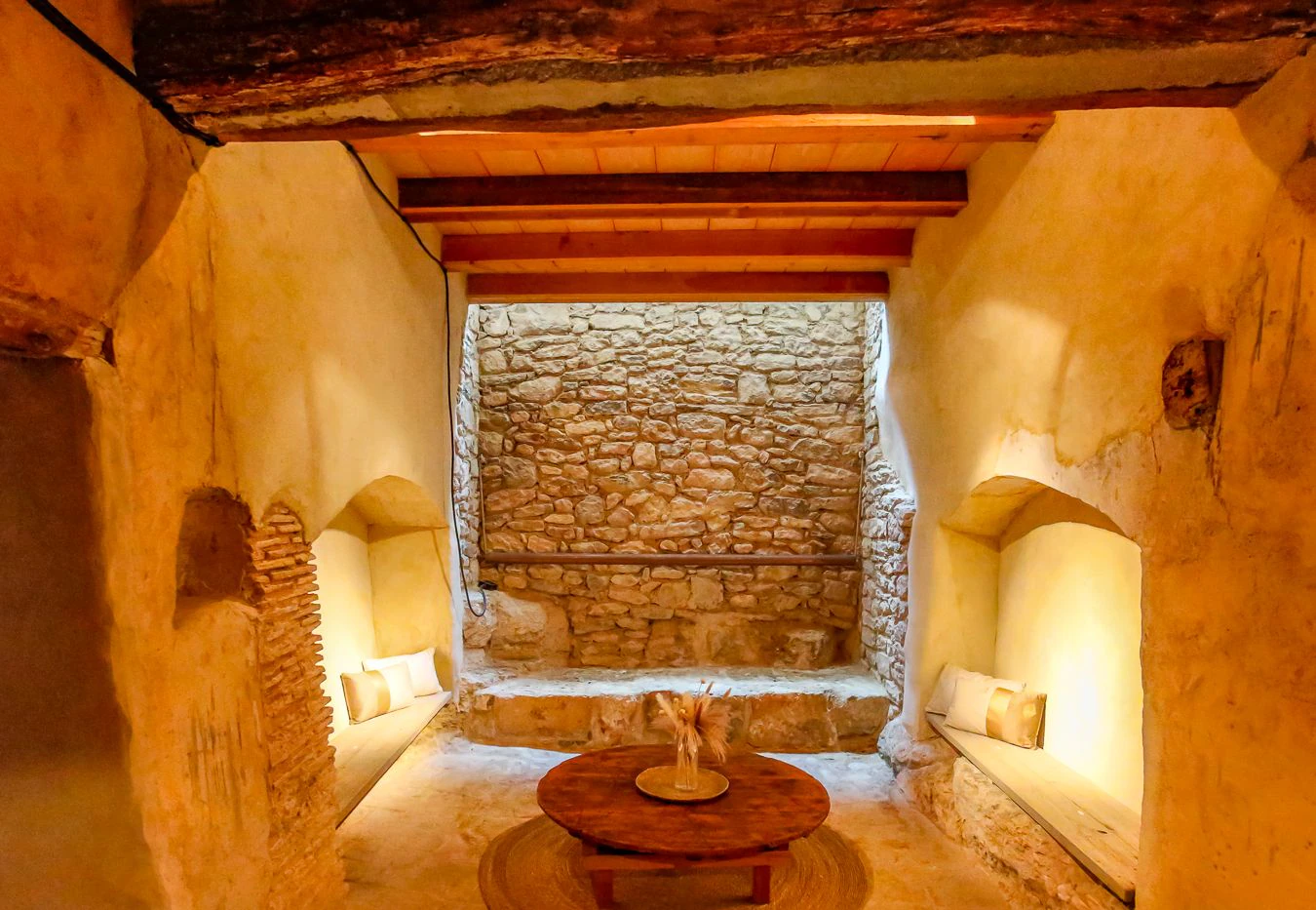
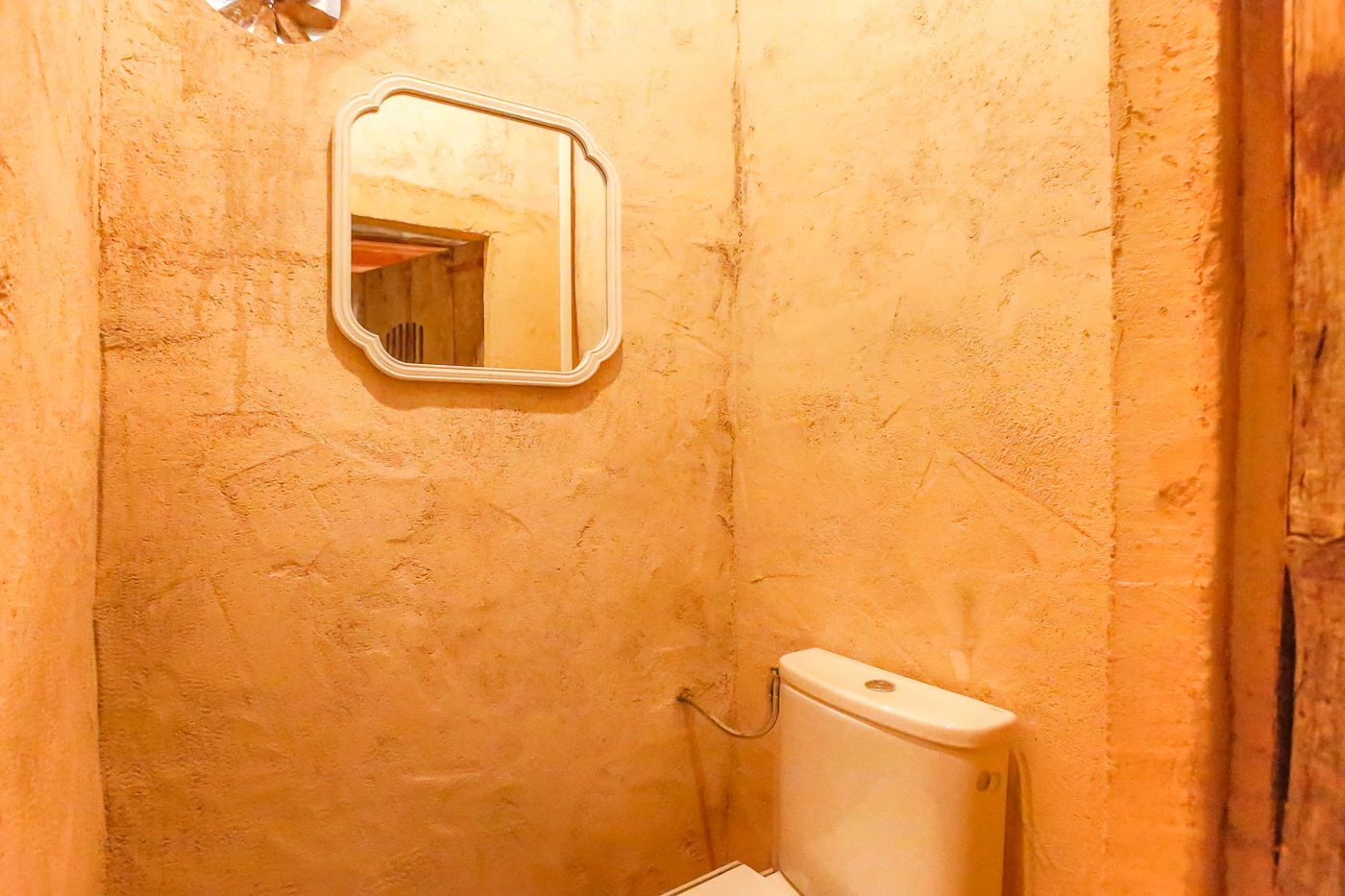
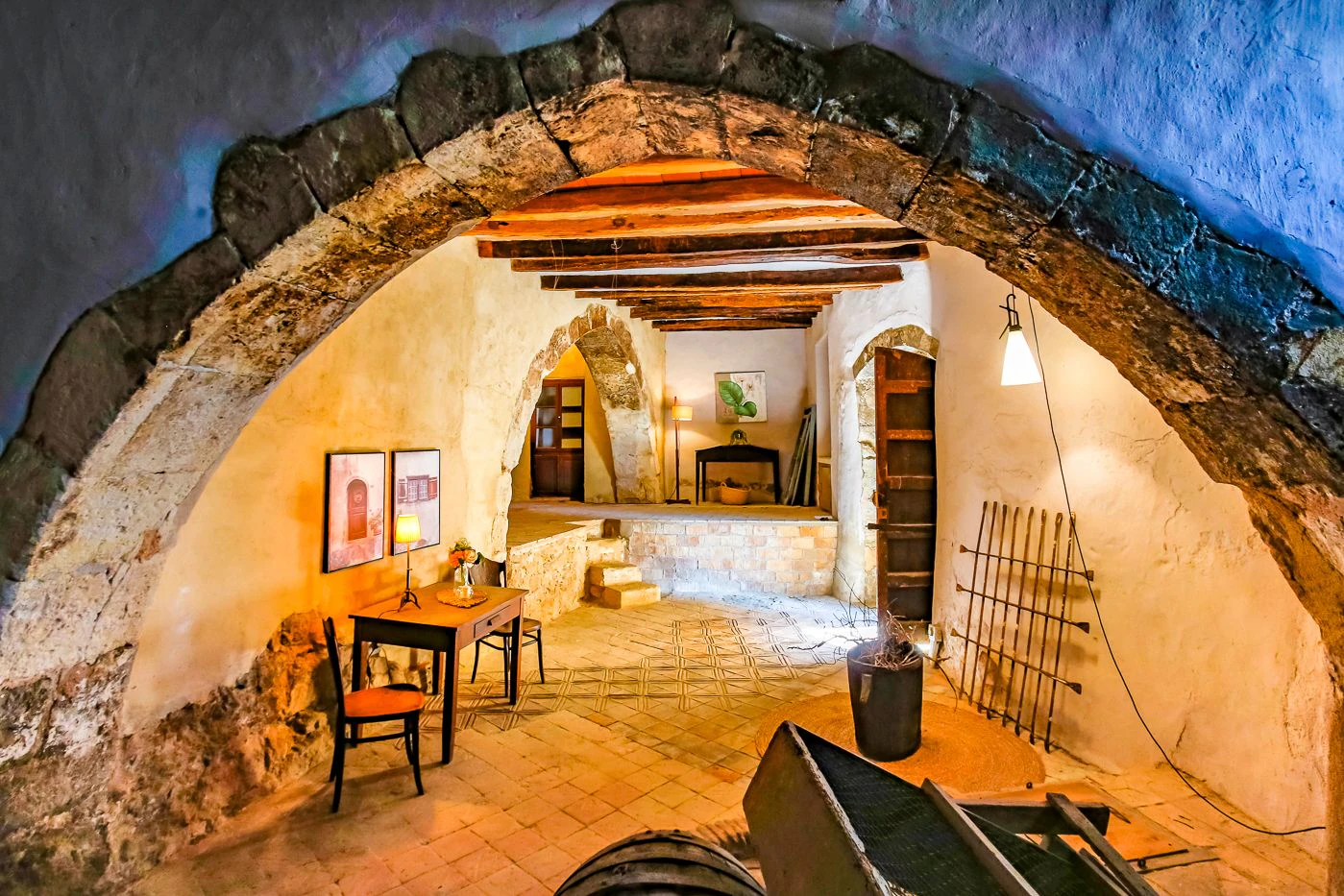
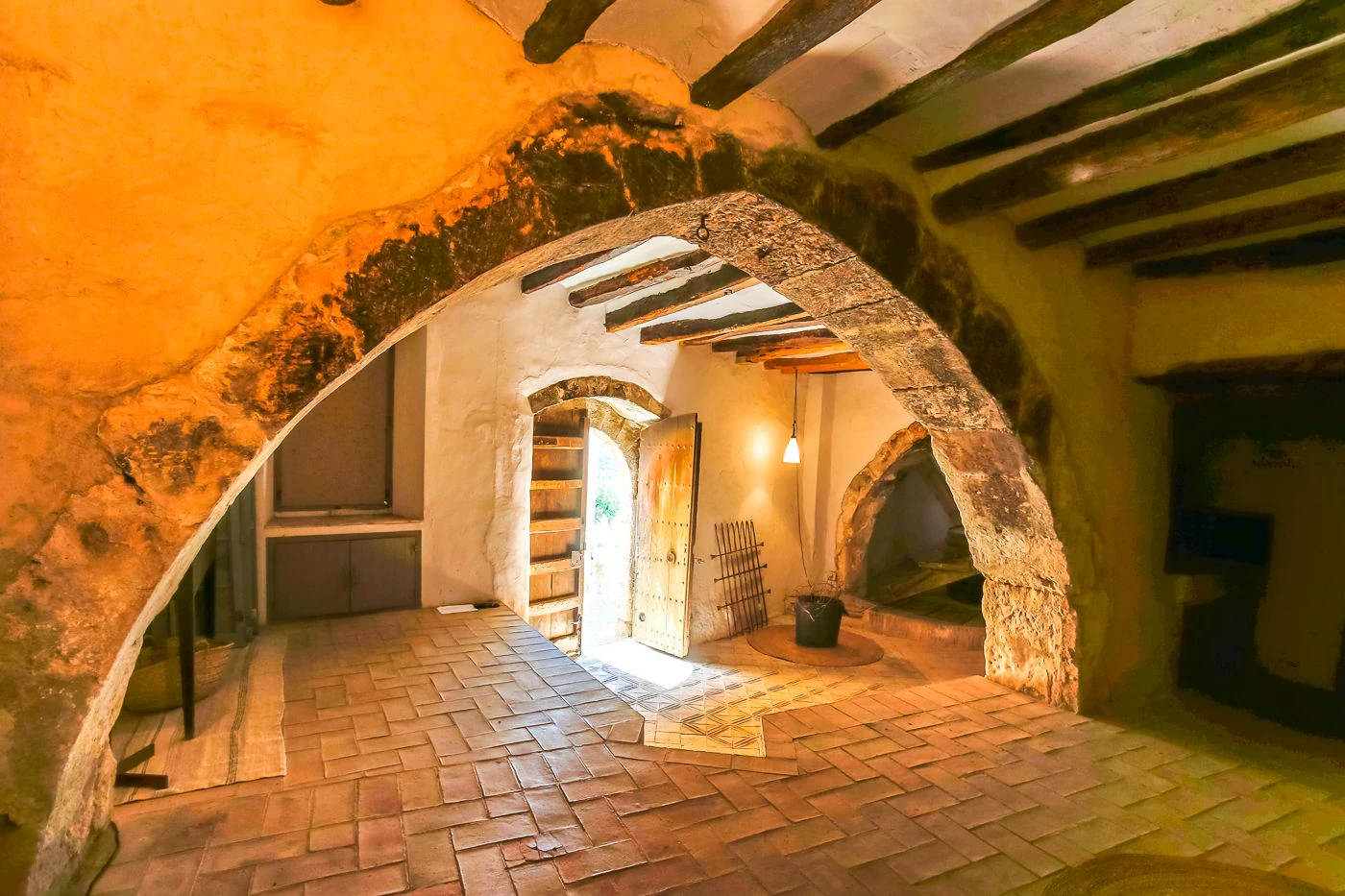
The real estate market of the Baix Penedès has established itself as one of the most attractive for domestic and international investors seeking authenticity without sacrificing connectivity. Unlike other, more isolated rural areas, this comarca offers the perfect balance: the tranquility of country life (with views of Montserrat or Montmell) and proximity to high-quality services.
Our property portfolio covers various architectural typologies typical of traditional Catalan architecture. When searching for fincas for sale in this region, it is essential to distinguish between the different options available in order to align the purchase with your investment objective:
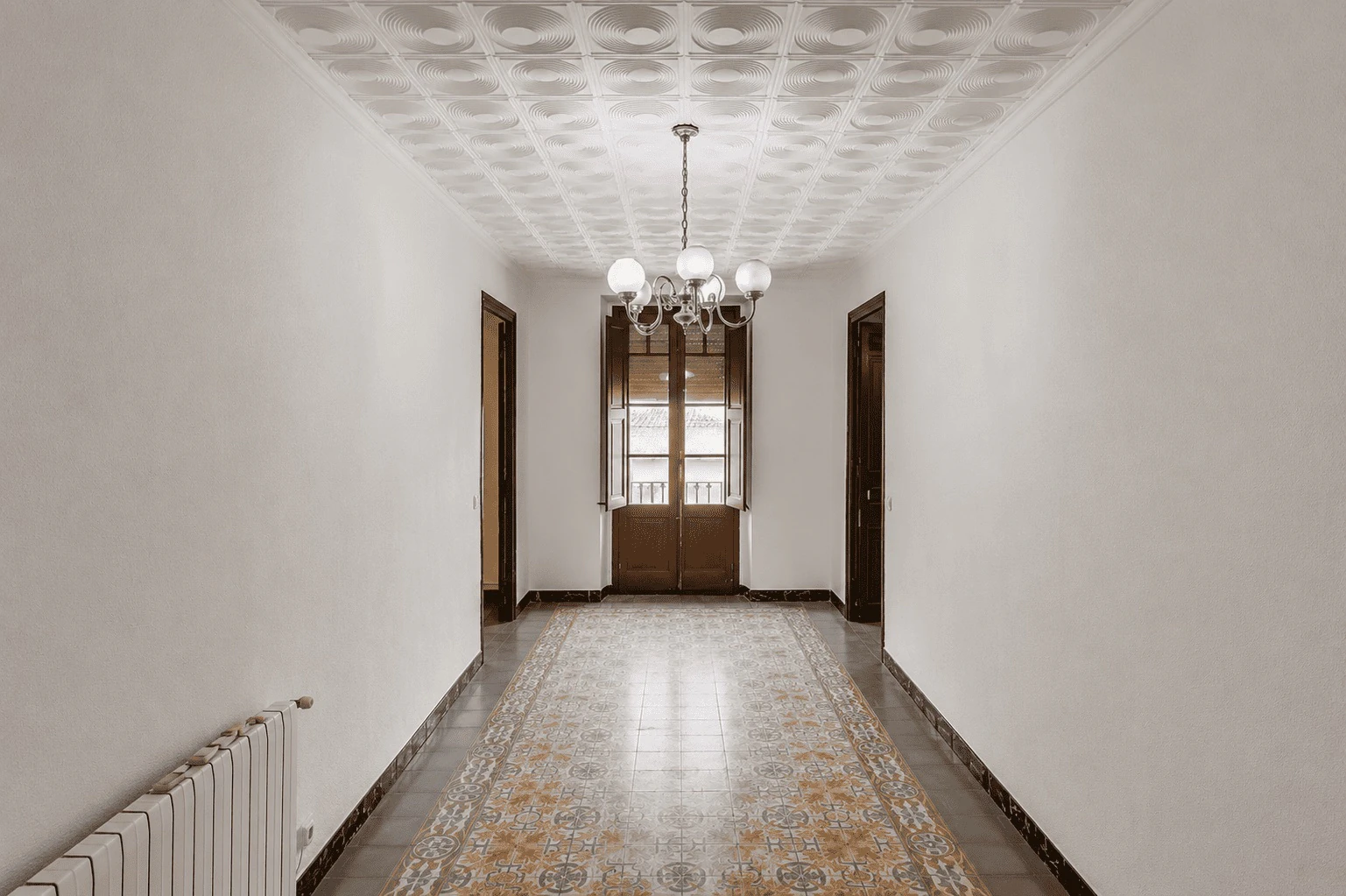
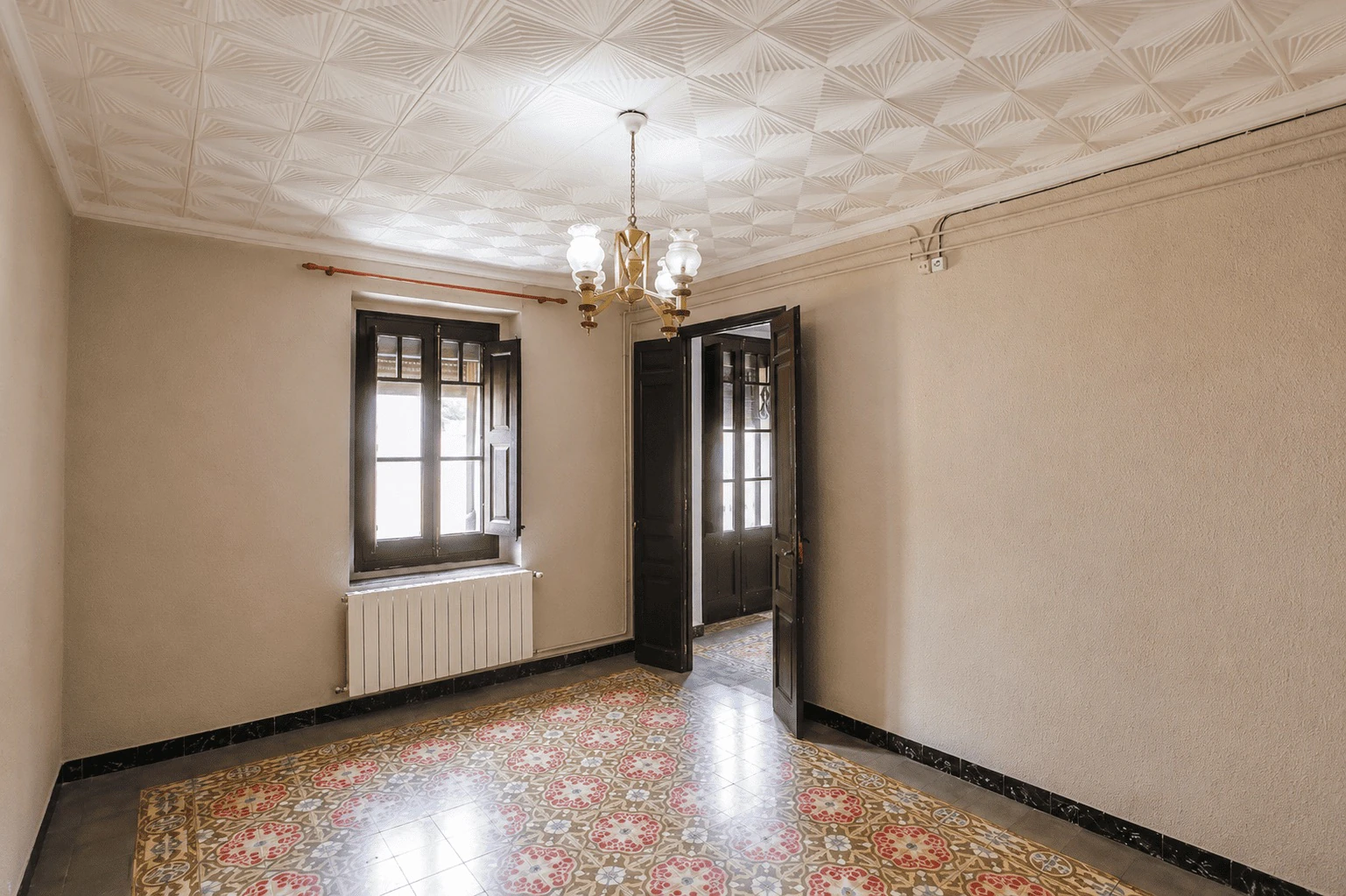
Restored historic masias: Turnkey properties that retain original elements such as wooden beams, stone arches and Catalan slab floors, but updated with modern comforts (heating, home automation, infinity pools).
Masias to renovate and ruins: Investment opportunities for those who wish to develop a bespoke project. These estates often include large plots of land, ideal for dryland crops, olive groves, or private vineyards.
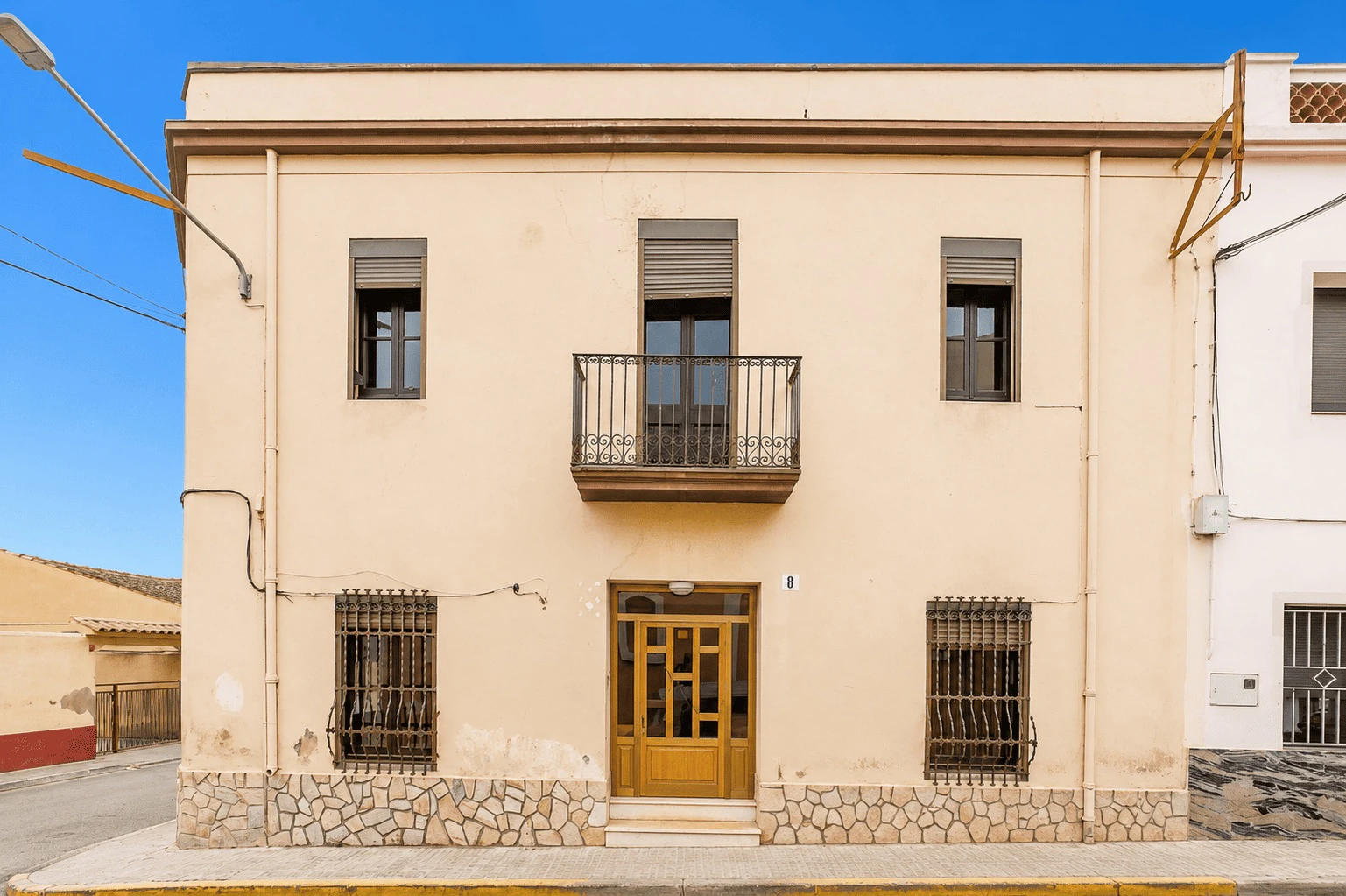
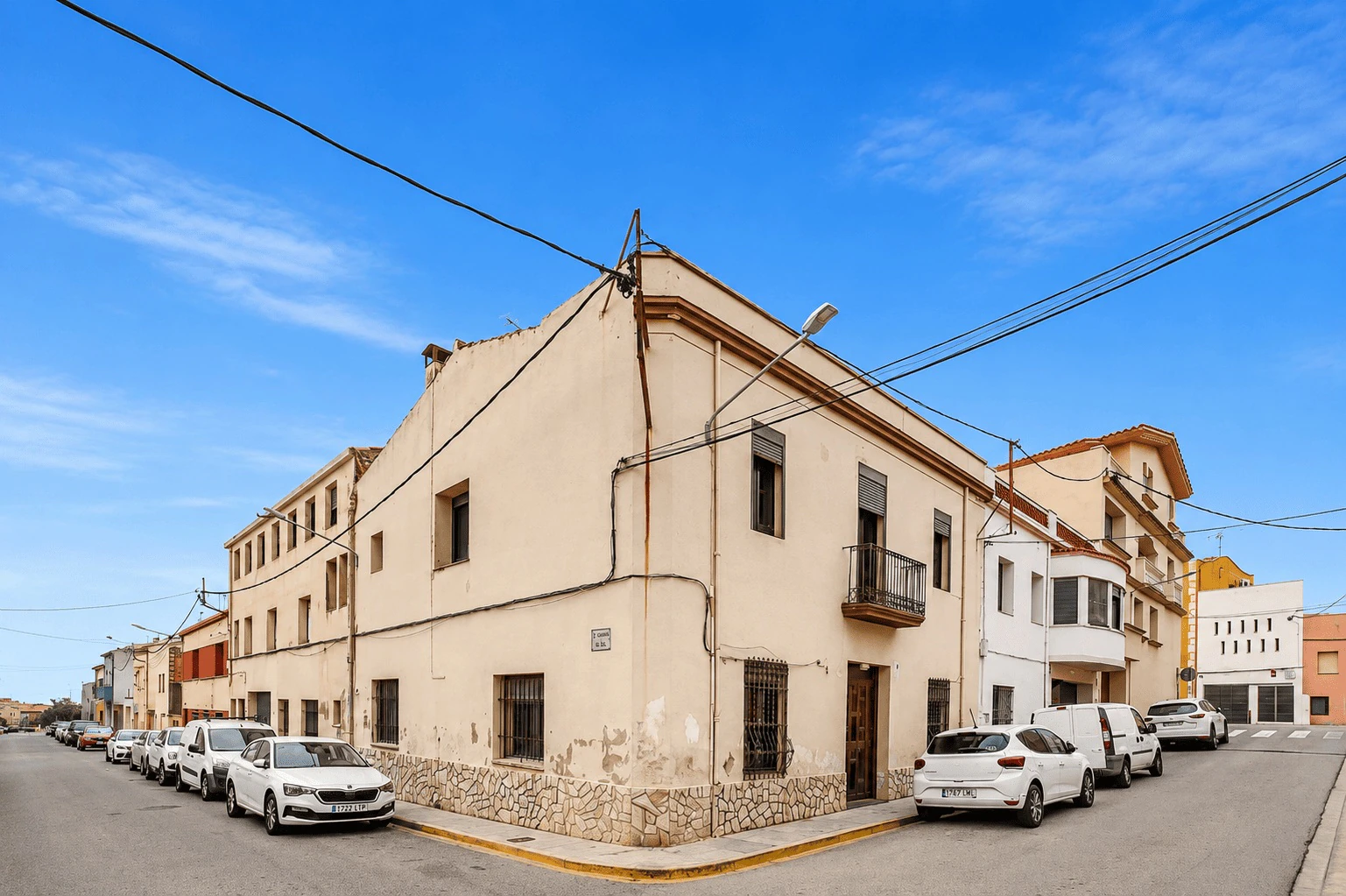
Village houses and recreational estates: Properties located in quiet urban centers such as Sant Jaume dels Domenys, La Bisbal del Penedès or L’Arboç, offering rural charm with easier maintenance.
Location is the determining factor in the valuation of these properties. The masias in Baix Penedès enjoy a privileged Mediterranean microclimate. Many of these properties have hectares of land dedicated to vine cultivation, allowing owners to produce their own wine or lease the operation to prestigious local wineries.
Additionally, the proximity to the beaches of Calafell, Coma-ruga and El Vendrell (less than 20 minutes by car from most inland estates) makes these real estate assets versatile options for a second home or luxury tourist operation.
The purchase of a rural property involves specific procedures: verification of the urban planning status, water rights, boundaries and the Generalitat’s regulations for rehabilitations on non-developable land. As experts in the local real estate sector, we guarantee transparent and secure management, ensuring that your investment in the Catalan architectural heritage is a success.
The regulations on non-developable land are strict but allow rehabilitation. Generally, it is permitted to rehabilitate and consolidate the existing volume of listed masias to ensure their conservation. Expansions are usually restricted, except in specific cases linked to agricultural or tourist activities. We recommend consulting each municipality’s Masias Catalogue (such as El Vendrell or Sant Jaume) before starting any renovation project.
Yes, the Baix Penedès shows high profitability for rural tourism due to its seasonality balance. Unlike purely coastal areas, this comarca attracts visitors year-round thanks to wine tourism (Penedès Wine Route) and hiking/mountain tourism, while maintaining proximity to the beaches of the Costa Daurada. Many of our properties meet the minimum plot requirements to apply for the tourist license.
The main difference lies in location and land. The masia is a standalone building, historically linked to an agricultural or livestock holding, and usually includes hectares of rural land (vineyards, olive groves or woodland). The village house is located within the urban core, shares party walls with neighbors and, although it may have a garden or courtyard, does not have large tracts of land, offering easier maintenance and walkable access to services.
It is one of the comarca’s strong points. Most masias are located less than 10–15 minutes from the AP-7 motorway and the C-32. This places the properties less than 50 minutes from Barcelona-El Prat Airport and 30 minutes from the AVE Camp de Tarragona station, allowing you to live in the heart of nature without giving up fast international connections.
Find your farmhouse, country house, town house or rustic farm.