
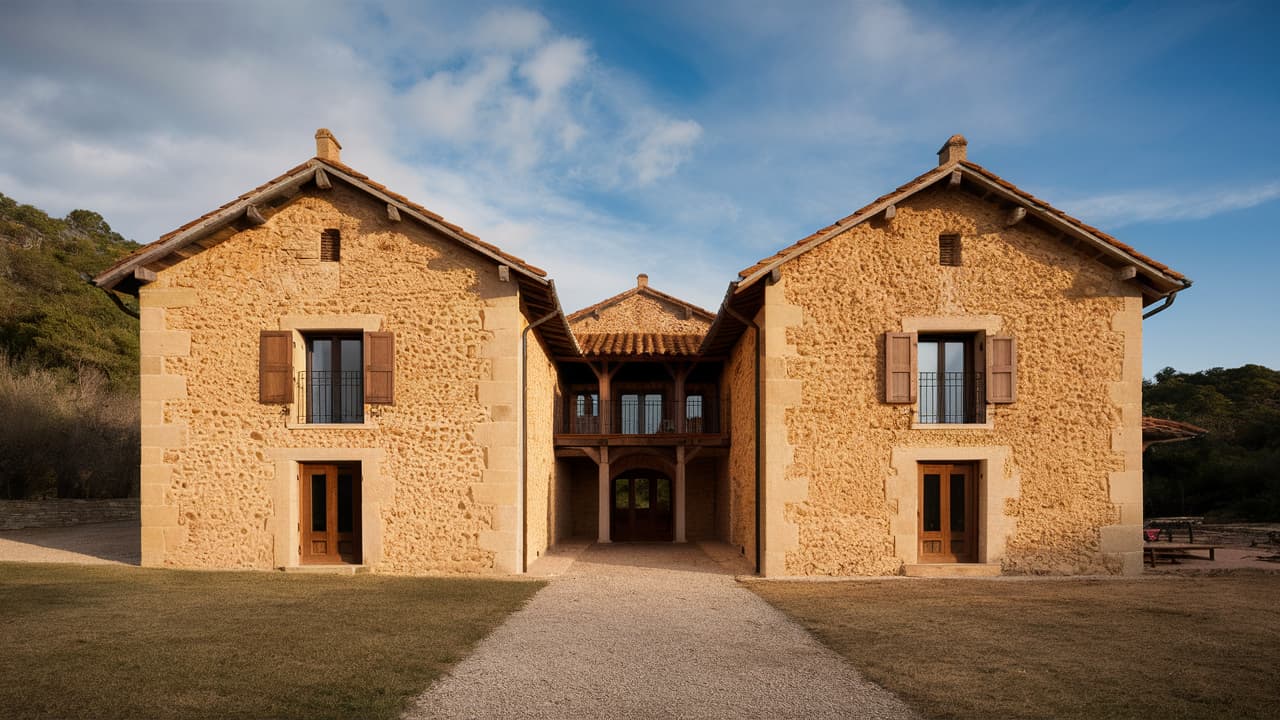
The masías for sale in Girona offer a unique opportunity to own a piece of Catalan history. These centuries-old constructions, silent witnesses to the passage of time, stand as symbols of the region’s rural architecture and cultural heritage. In this article, we will delve into the fascinating world of masías, exploring their rich history, unique features, and the appealing market they represent today.
Exploring the masías of the Costa Brava means stepping into a world where tradition and luxury merge. These buildings, whose origins date back to the 9th century, have evolved over the centuries, adapting to the changing needs of their inhabitants without losing their essence.
The history of Catalan masías is closely linked to the evolution of rural society. Initially conceived as self-sufficient agricultural units, these constructions reflected the agrarian economy and the identity of the Catalan people. Over time, masías became more than just farms; they turned into the heart of rural life, housing generations of families and bearing witness to countless stories.
The masías of Girona and the Costa Brava are distinguished by a series of architectural elements that make them unique:
Robust Walls: Built with local stone, these walls, ranging from 30 to 50 centimeters thick, provide exceptional natural insulation.
Biplanar Structure: Typically, masías consist of two floors, each serving a specific function.
Strategic Orientation: Most masías face south, maximizing sun exposure and providing optimal natural lighting.
Gabled Roofs: Designed to facilitate the drainage of rain and snow, these roofs are a distinctive feature of Catalan masías.
Small Windows: For security and climate control, windows are usually small and strategically placed.
Exposed Wooden Beams: These beams not only fulfill a structural role but also add a rustic, authentic touch to the interior.
These features not only define the aesthetics of the masías but also reflect the ancestral wisdom of sustainable construction and adaptation to the natural environment.
The rural houses in Girona, especially masías, represent the heart of Catalan rural life. But what sets a masía apart from a simple country house? The answer lies in its history, structure, and cultural significance.
While the term “casa rural” can be applied to any home in a non-urban setting, a masía is much more than that. It is an architectural complex that includes not only the main residence but also additional buildings such as barns, stables, and, in many cases, private chapels. This layout reflects the self-sufficiency that characterized these properties in the past.
Interior Courtyards: Many masías feature central courtyards that provide natural light and cross ventilation, creating a pleasant microclimate indoors.
Integrated Presses: In some masías, especially in wine-producing regions, oil and wine presses can be found incorporated into the structure, a testament to their productive past.
Differentiated Spaces: A clear separation between work areas and living spaces is a fundamental feature of masías, reflecting the social and labor organization of the time.
Local Materials: The use of stone, wood, and other regional materials not only ensures the construction’s durability but also integrates it seamlessly into the surrounding landscape.
These elements not only provide aesthetic and historical value but also offer unique opportunities for restoration and adaptation to modern uses, whether as a private residence or a tourist establishment.
Investing in masías in Girona has proven to be an attractive option for those looking to combine history and profitability. The current market for masías in the region presents a diverse landscape full of opportunities for different types of investors.
The masía market in the Girona and Costa Brava area has experienced a resurgence in recent years. According to recent data, prices for these historic properties range from €275,000 for masías requiring full restoration, to over €10 million for fully renovated luxury properties with extensive land.
A noteworthy aspect is the rise in prices in particularly sought-after areas such as Alt and Baix Empordà, where an increase of 15–30% has been observed in recent years. This increase reflects not only the intrinsic value of these historic properties but also the growing interest from both national and international buyers.
Residential Use:
Medium-sized masías (around 580m²) with plots of approximately 4,000m² are selling for an average of €1,400,000.
These properties offer the possibility of creating unique private residences that combine historical charm with modern amenities.
Tourism Potential:
Masías with the potential to become rural accommodations or boutique hotels are generating great interest.
Properties featuring amenities such as a pool and large gardens start at around €850,000.
Restoration Projects:
Masías requiring complete restoration represent an opportunity for investors willing to embark on rehabilitation projects.
These properties typically have more accessible prices but require a significant investment in restoration.
Luxury Investments:
In the luxury segment, there are fully restored masías with extensive land, some even featuring their own vineyards.
These premium properties can exceed €5 million, attracting a high-net-worth investor profile.
The growing demand is due to several factors:
The proximity to cities such as Barcelona and Girona, which offer excellent international connections.
The region’s natural beauty and rich cultural heritage.
An increase in demand for authentic experiences and unique accommodations among tourists.
It is important to note that approximately 15% of masía buyers in this region are international, adding a global dimension to the market and potentially influencing price and demand trends.
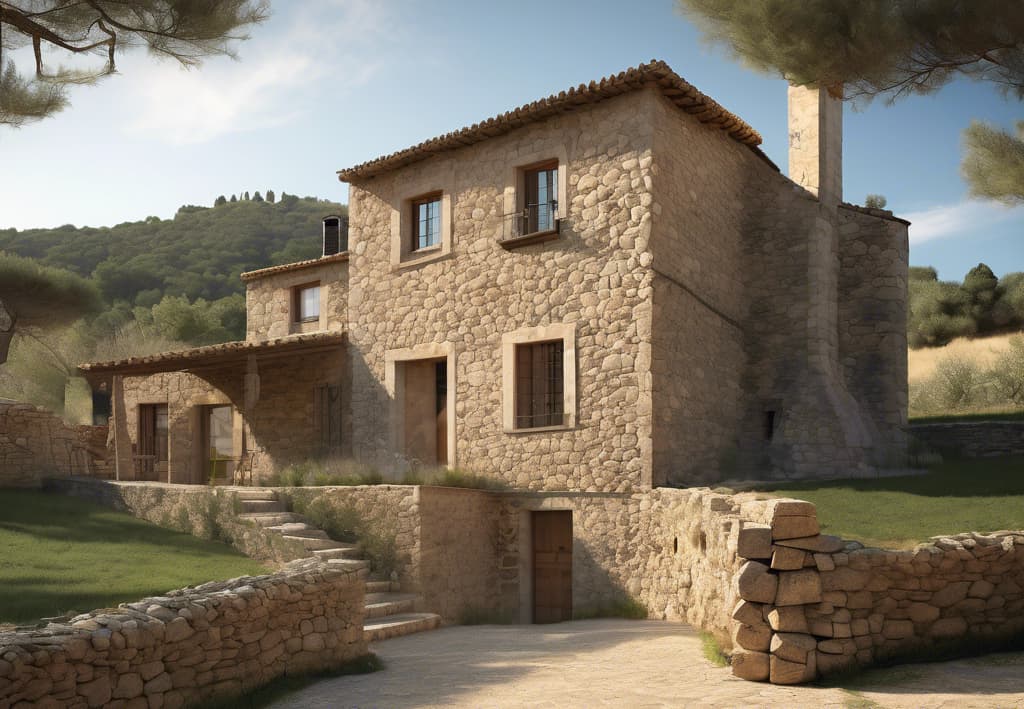
Acquiring historic masías in Girona allows owners to become guardians of a unique architectural heritage. However, the process of purchasing and restoring a masía requires careful planning and in-depth knowledge of the legal and technical requirements involved.
Initial Assessment:
Conduct a detailed historical analysis of the building to understand its heritage value.
Assess the original architectural elements and their state of conservation.
Study existing materials and their compatibility with modern restoration techniques.
Technical Planning:
Consult with architects specializing in the restoration of historic buildings.
Develop a preservation plan that respects the building’s historical integrity.
Plan the integration of modern amenities in a way that does not compromise the original structure.
Restoring a masía offers a unique opportunity to implement sustainable practices:
|
Aspect |
Requirement |
Benefit |
|---|---|---|
|
Energy Efficiency |
Implementation of solar systems |
Long-term reduction in operating costs |
|
Water Management |
Rainwater harvesting systems |
Conservation of water resources |
|
Materials |
Use of sustainable, local materials |
Lower environmental impact and authenticity |
|
Ventilation |
Use of natural ventilation systems |
Improved comfort without relying on mechanical systems |
It is crucial to understand and comply with the legal framework surrounding the restoration of masías:
Building Permits:
Mandatory for any renovation work.
They must be obtained from the local town hall before starting any work.
Heritage Protection:
Check if the masía is listed as a site of cultural interest.
Protected properties may have specific restrictions regarding modifications.
Land Use:
Ensure that restoration plans comply with rural land-use regulations.
There may be limits on expansion or changes in the property’s use.
Basic Services:
Obtain specific permits for installing or modifying water and electricity systems.
Implementing sustainable systems may require additional approvals.
To ensure regulatory compliance, follow these steps:
Conduct an initial consultation with the local town hall to understand the specific requirements of your project.
Submit a detailed technical project, prepared by a certified architect.
Request the necessary building licenses, which may include restoration and rehabilitation permits.
Ensure compliance with all environmental regulations, especially if the property is in a protected area.
Thoroughly document the property and its current condition before starting any work.
Carry out an environmental impact assessment if required by local authorities.
Make sure to comply with water and utility regulations, especially in rural areas where autonomous systems may be necessary.
Pay special attention to preserving historical elements such as facades, original beams, or unique decorative features.
Masías with a pool on the Costa Brava offer the perfect balance between rustic charm and modern comforts. These unique properties have gained popularity among both buyers seeking a luxury residence and investors interested in the high-end tourism market.
Landscape Integration:
Pools in these masías are often designed to blend harmoniously with the natural environment, using local materials and organic shapes that complement the traditional architecture.
Panoramic Views:
Many of these properties offer stunning views of the Mediterranean Sea or the rural landscapes of Empordà, adding invaluable appeal.
Recreation Areas:
In addition to the pool, these masías often feature spacious gardens, terraces, and barbecue areas, perfect for outdoor entertainment.
Privacy:
The typically secluded location of these masías ensures a high level of privacy, a luxury that is increasingly valued.
Masías with a pool on the Costa Brava are particularly attractive for the luxury tourism market. Some owners have successfully transformed these properties into exclusive boutique hotels or vacation rental villas, offering visitors a unique experience that combines history, luxury, and authenticity.
Price: Masías with a pool in prime locations on the Costa Brava can reach prices exceeding €2 million.
Return on Investment: As a high-end tourist accommodation, these properties can generate significant income during the peak season.
Maintenance: It is important to consider maintenance costs, especially for the pool and gardens.
The combination of a historic masía with modern amenities such as a pool represents a unique value proposition in the Costa Brava real estate market, attracting a segment of buyers and investors seeking the best of both worlds: the authenticity of a historic property and the comfort of contemporary luxury.
The masías for sale in Girona and the Costa Brava represent much more than simple real estate; they are living witnesses of Catalonia’s rich history and culture. From their unique architecture to their potential for adaptation to modern needs, these historic gems offer an incomparable opportunity for those seeking a profound connection with the past and a solid investment in the future.
Whether you are considering acquiring a masía as a personal residence, a restoration project, or a tourism investment, today’s market offers options for various budgets and aspirations. The key lies in approaching each project with respect for history and a vision for the future, ensuring that these magnificent structures remain an integral part of the landscape and culture of Girona and the Costa Brava for generations to come.
Are you ready to embark on your own adventure with a masía in Girona? Feel free to contact us for personalized advice and to discover the unique opportunities these historic properties have to offer. Your dream of owning a piece of Catalan history may be closer than you think.
Find your farmhouse, country house, town house or rustic farm.