
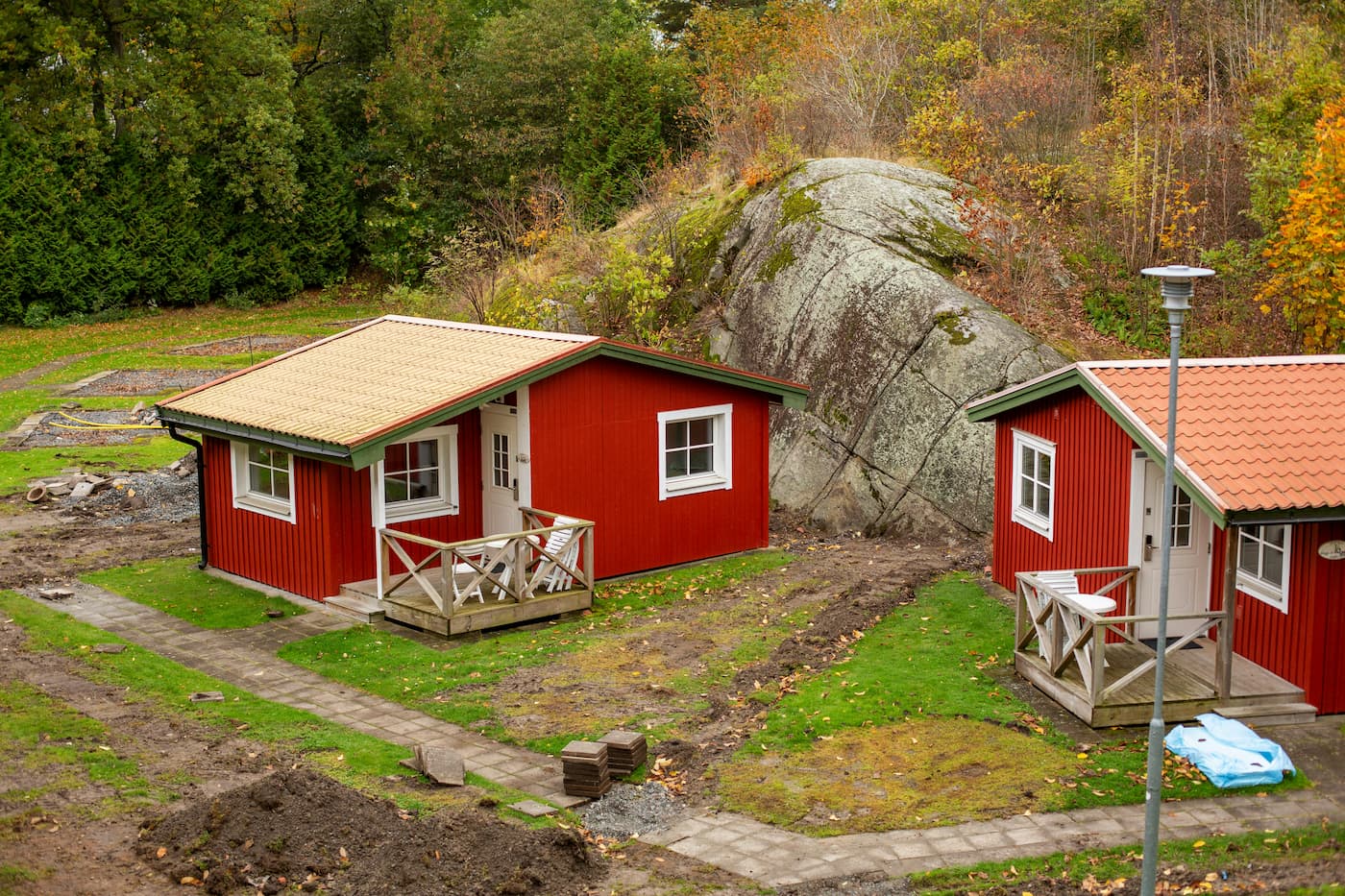
Building a wooden cabin on rustic land is an attractive idea for those looking to enjoy a peaceful space in nature. However, before starting construction, it is essential to understand the applicable legal regulations and potential restrictions. In this article, we will explore in-depth whether it is legal to install a wooden cabin on rustic land, the conditions that must be met, and the necessary permits to avoid penalties.
To understand the regulations regarding construction on rustic land, it's important to first define what "rustic land" is. In general terms, rustic land is designated for agricultural, forestry, or environmental protection purposes. It is not classified as urban or developable land, which implies certain restrictions on allowed constructions.
The main difference between urban and rustic land lies in the permitted uses. While urban land is prepared for building and has basic services such as electricity, water, and sewage, rustic land is intended to preserve its natural state or for productive activities like agriculture. Consequently, construction on this type of land is usually restricted.
Regulations on construction on rustic land can vary depending on the autonomous community or even the municipality. However, some common guidelines exist:
In Spain, the legislation on rustic land is partially decentralized, meaning each autonomous community can establish additional regulations. For example, in some regions, it is easier to obtain permits for wooden cabins as long as their use is justified within the context of agricultural activity.
The legality of building a wooden cabin on rustic land depends on several factors:
The intended use of the cabin is crucial. As mentioned earlier, in many cases, construction is only allowed if it is related to agricultural or forestry activities. If the cabin is intended for storing tools or agricultural products, you are more likely to obtain the license.
The size of the cabin also matters. In some municipalities, small constructions considered auxiliary (less than 30 m², for example) are allowed. However, regulations can vary, so it is necessary to consult the specific rules in each case.
Even if the cabin is small, a building permit is usually required. This permit not only ensures that the construction complies with local regulations but also guarantees that environmental protection laws are not violated.
If the land is located in a special protection area (such as a natural park), the restrictions will be much stricter. In these cases, it is nearly impossible to obtain authorization to build unless the project is directly related to conservation.
If you want to build a wooden cabin on rustic land, we recommend following these steps:
The first step should always be to visit the corresponding town hall to obtain information about the specific regulations. They can tell you what types of constructions are allowed, what permits you need, and the associated costs.
In most cases, it is necessary to submit a technical project prepared by an architect or engineer. This document should detail the characteristics of the construction, its use, and compliance with current regulations.
Once you have the project, you must apply for the building permit. The waiting time can vary, but it is a mandatory step to avoid legal problems.
With the approved permit, you can proceed with construction. It is important that the work is inspected to ensure it conforms to the submitted project.
Building without the necessary permits can lead to serious consequences:
One option some owners consider is installing movable or prefabricated cabins. In certain cases, these structures are not considered permanent buildings, making them easier to legalize. However, regulations may still vary, so it is advisable to consult local authorities beforehand.
Installing a wooden cabin on rustic land can be an excellent option if you seek a recreational or storage space in nature. However, the key to avoiding legal issues lies in thoroughly informing yourself about the applicable regulations in your area. Consulting the town hall, having a technical project, and obtaining the necessary permits are essential steps to ensure the legality of the construction.
Find your farmhouse, country house, town house or rustic farm.