
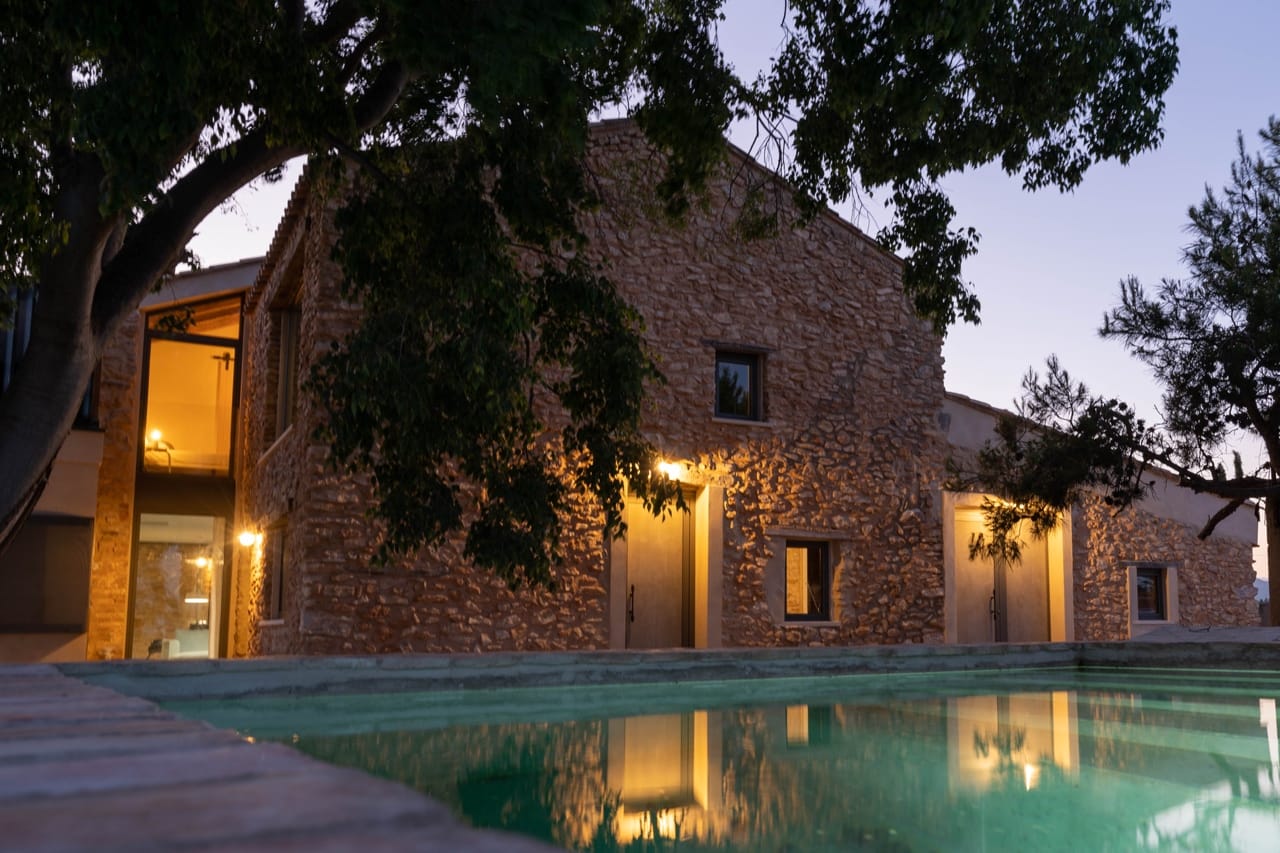
Purchasing a farm in Spain is a promising investment that combines the allure of the countryside with the potential for profitable agricultural ventures. Whether you're looking to start a small hobby farm or a large-scale business, the process requires careful consideration and preparation. Below, we provide practical tips and address some of the most frequently asked questions to help you navigate your journey to owning a farm in Spain.
Start by clearly defining what you want to achieve with your farm. Are you looking for:
Understanding your objectives will help you refine your search and focus on properties that align with your plans.
Spain offers diverse regions, each with unique climates and agricultural advantages. To find the best location for your farm, consider:
Some popular areas for farming include Andalusia, Catalonia, and Galicia, but you can also find affordable farmland in regions like Extremadura or Castilla-La Mancha.
Agricultural activities in Spain are subject to specific laws and permits. Before purchasing, you must:
Consulting with a local legal expert can help you navigate these requirements smoothly.
Before committing to a purchase, perform a detailed inspection of the farm. Focus on:
Hiring an agricultural engineer or property surveyor can provide valuable insights into the farm's potential.
Understanding the financial aspect of buying and maintaining a farm is crucial. Key considerations include:
A financial advisor can help you assess whether the investment aligns with your budget and goals.
An acre is approximately 0.4 hectares. Since Spain uses the metric system, farmland is usually measured in hectares. For reference, one hectare equals 10,000 square meters.
The cost of farmland in Spain varies widely based on location, size, and soil quality. Prices can range from €5,000 to €50,000 per hectare in rural areas, while prime agricultural land in popular regions may cost significantly more. Areas like Andalusia and Extremadura offer some of the most affordable options.
Yes, foreigners can buy land in Spain without restrictions, making the country an attractive option for international investors and expatriates. Whether you’re looking to purchase farmland, residential property, or a plot for development, Spain’s legal framework allows non-residents to own property freely. However, there are a few important steps and considerations to ensure a seamless purchase process:
1. Obtain a NIE (Número de Identificación de Extranjero)
The NIE is a mandatory tax identification number for foreigners in Spain. It is required for all legal and financial transactions, including purchasing land. You can apply for a NIE:
2. Open a Spanish Bank Account
While not legally required, having a Spanish bank account simplifies the payment process. Most property-related payments, including taxes and fees, are conducted through local banks.
3. Verify the Property’s Legal Status
Before buying, it’s crucial to confirm that the land:
A Nota Simple, a property registry extract, can provide detailed information about the land’s legal and financial status.
4. Hire a Local Lawyer
Engaging a lawyer familiar with Spanish property law is highly advisable. They can:
5. Understand the Costs Involved
In addition to the purchase price, consider the following costs:
Spain’s stable real estate market, favorable climate, and diverse landscapes make it an appealing choice for foreigners. Many regions, such as Catalonia, Andalusia, and Valencia, offer excellent opportunities for both farming and lifestyle investments.
With the right preparation and professional guidance, buying land in Spain as a foreigner can be a smooth and rewarding experience. Whether you’re planning to start a vineyard, cultivate farmland, or build your dream home, Spain provides a welcoming environment for international property ownership.
If you're looking for affordable farmland, Catalonia offers opportunities in lesser-known rural areas such as parts of Lleida and Tarragona. These provinces feature agricultural properties at more competitive prices compared to the highly sought-after coastal regions. In particular, Lleida stands out for its extensive farmland suitable for crops like fruit and olive trees, making it an attractive option for those seeking affordability within Catalonia.
Beyond Catalonia, other regions in Spain also offer cost-effective farmland:
While Catalonia provides a balance between accessibility, infrastructure, and reasonable prices, areas like Extremadura and Castilla-La Mancha remain excellent alternatives for those prioritizing low-cost investments.
Investing in farmland in Spain offers a unique blend of lifestyle and business opportunities. From the Mediterranean's sunny vineyards to the lush green pastures of Galicia, the country provides endless possibilities for agricultural ventures. With proper research and planning, you can find the ideal property to fulfill your dreams.
If you're ready to take the next step, explore our listings of the best farms for sale in Spain and let us help you make your vision a reality!
You may also be interested in viewing some finca for sale in Spain. Would you like help with additional resources or have more questions? Reach out to our team today!
Find your farmhouse, country house, town house or rustic farm.